
Updated: Thursday, July 23, 2026 · Next update: Thursday, July 30, 2026
This Sarasota fishing report for late July splits two ways as the beach tarpon run winds down. Offshore, red grouper on the hard-bottom grounds are the lead target. Inshore, a dawn-patrol trout and snapper program rewards anyone willing to beat the sun out of bed. The main condition to plan around is the clock: the Gulf lies down early, the sea breeze fills in late morning, and inshore water heats fast, so start early.
What’s Hitting
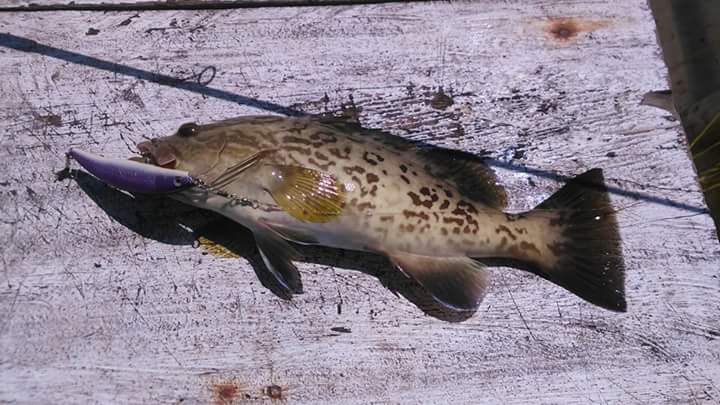
Red grouper sit in 70 to 110 feet west of Sarasota, with keeper fish coming off the sprawling hard-bottom flats for boats willing to move until they find life. Mangrove snapper stack in Big Pass and New Pass and on every reef and rockpile in between. Spotted seatrout feed on the deep grass edges at first light, and a few resident tarpon and big snook, all catch-and-release, work the bait schools along the beach.
Where to Find Them
Look for grouper on hard bottom and ledges from 70 feet out, with the better fish past 90. Snapper use the passes on moving water and the artificial reefs in 25 to 45 feet. Trout work the grass in 4 to 8 feet off Siesta Key and Buttonwood Harbor during the first two hours of light only.
The beach still earns one dawn stop. Leftover tarpon and big snook cruise the bar off Siesta and Lido in that first hour, so approach quietly with a swimbait ready.
Tides & Conditions
Spring tides build toward the July 29 full moon, so the passes run hard. That stacks the snapper but demands more lead. Expect calm Gulf mornings with 2-foot seas or less, afternoon storms as the daily wildcard, and inshore water pushing 90 degrees by noon. Make the offshore run before the sea breeze fills in around 11 a.m.; a ledge that fishes well at 7 turns to unfishable chop by noon. When the wind comes up, the 30-foot nearshore reefs stay productive long after the deeper spots quit.
Tackle & Tactics
- Grouper: 60- to 80-pound bottom gear with fresh-cut squid and pinfish. Leapfrog spots; dead bottom means move, not soak.
- Pass snapper: 15- to 20-pound fluorocarbon, small knocker rigs and live shrimp.
- Trout: a popping cork with live shrimp, or a topwater walked over the grass at gray light.
Once afternoon water hits the 90s, fish the deeper grass edges and channel drop-offs rather than the shallow flats. In Big Pass, fish the outgoing rather than the flood; the tide carries bait out through the cut and snook set up in the eddies waiting for it.
Local Intel This Week
The Centennial Park ramp downtown and the Turtle Beach ramp on south Siesta Key, close to Midnight Pass and the southern flats, are practical launches. Ken Thompson Park on City Island puts you closest to New Pass and the nearshore reefs, with plenty of trailer parking. Blackburn Point in Osprey is the quiet option for the Intracoastal and Casey Key. Shore anglers can work the North Jetty at Nokomis for snook, snapper and Spanish on the moving tide, the Venice Fishing Pier for mackerel and the occasional kingfish, and the Lido Key beach access points to walk and cast the first trough at daybreak. Check current FWC and federal regulations and seasons before keeping fish.
This Week’s Tip
On the offshore grouper grounds, watch your machine for bait clouds sitting a few feet off the bottom rather than for structure itself. On that flat hard bottom, the bait marks the live spots better than any ledge does.
Planning a trip to Sarasota?
This report tells you what happened. ReelAI tells you what to do about it — a briefing for your date, your target species and how you're fishing, built from our reports plus live NOAA and USGS data.
Powered by ReelAI — fishing.digital's intelligence layer. Answers are generated from fishing.digital reports and public NOAA, NWS and USGS data, and may be incomplete or out of date. Regulations and marine safety information are summaries only; always confirm with the responsible authority before you fish.