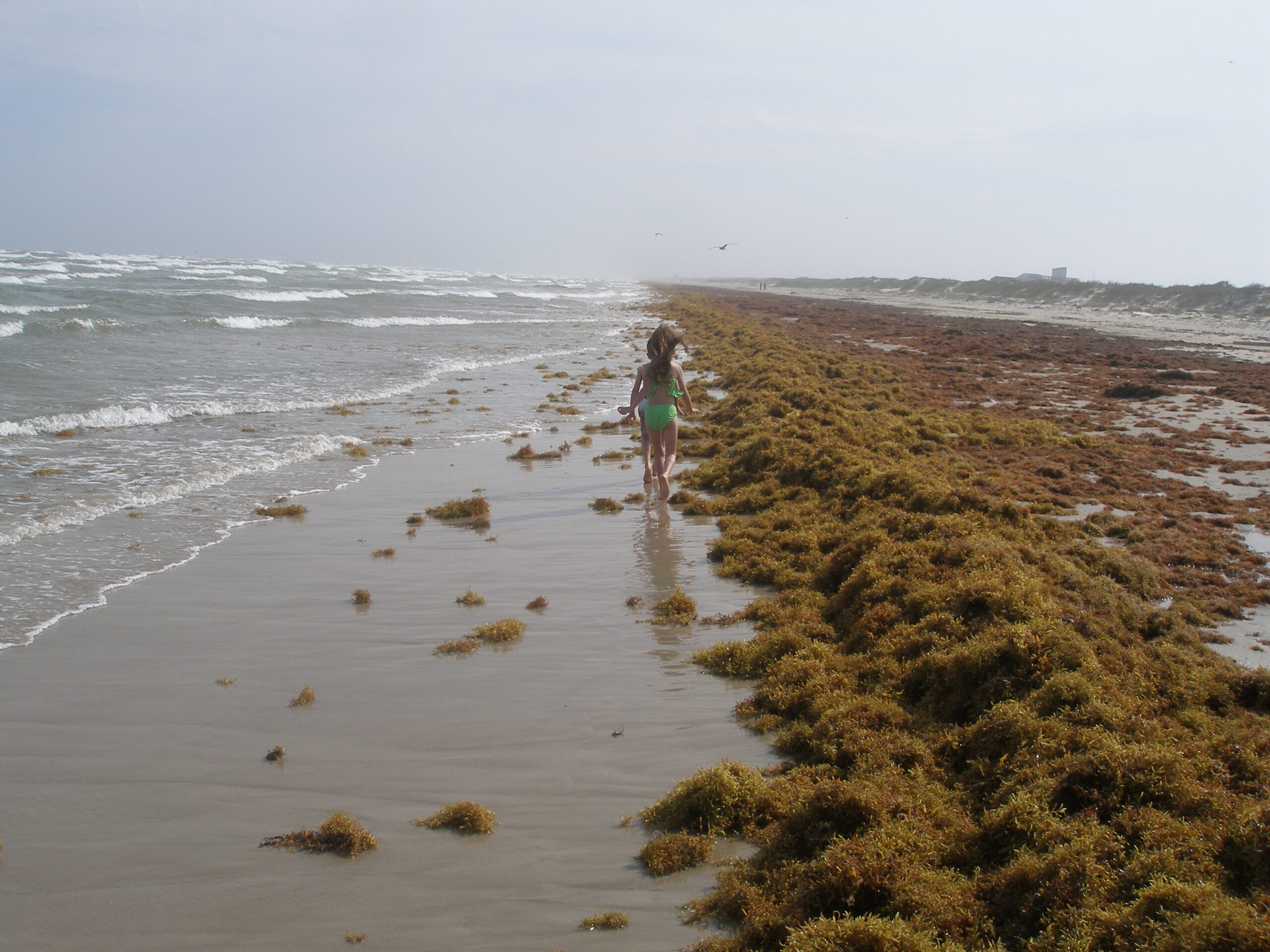
South Padre Island sits at the bottom of Texas, where the Lower Laguna Madre — one of only a handful of hypersaline lagoons on Earth — meets the Gulf through Brazos Santiago Pass. It is the most subtropical fishery in the state, and the practical consequence for anglers is a species list no other Texas port can match: snook and tarpon alongside the redfish, speckled trout and flounder that define the rest of the coast. The lagoon averages two to three feet deep for miles in every direction, the tidal range is roughly 18 inches, and the eastern side runs clear enough to sight-fish. It is a shallow-water fishery first and a bluewater port second, and the anglers who do best here plan around that.
Top Species at South Padre Island
Bay and flats: Redfish, speckled trout, flounder, black drum and sheepshead are available year-round. Jack crevalle patrol the deeper cuts. The Lower Laguna is best known for redfish in skinny water — schools of several hundred fish are common in the cooler months, often in water shallow enough that their backs break the surface.
The southern specialties: Snook and tarpon are what separate this fishery from Galveston or Port Aransas. Snook hold here year-round and stack into the Brownsville Ship Channel side canals when water temperatures drop into the mid-60s, sometimes in schools of more than a hundred fish. Tarpon run from roughly March through October, from juvenile fish in the back lagoons to triple-digit fish off the beachfront and around the pass in late summer.
Nearshore and offshore: Red snapper, kingfish, ling, amberjack, mangrove snapper and triggerfish on the reefs and wrecks; mahi-mahi, wahoo, blackfin and yellowfin tuna and billfish at the deeper rigs. The continental shelf is farther out here than at Port Aransas, so offshore trips are longer — but the artificial reef program has built a genuinely productive nearshore fishery inside 20 miles.
Key Fishing Areas
Brazos Santiago Pass and the Jetties
The pass is the hinge of the whole system. Every fish moving between the Gulf and the Lower Laguna funnels through it, and the twin jetties on either side give shore anglers direct access to deep, moving water — a rarity on the Texas coast. Redfish, snook and tarpon all use the pass on moving tide; sharks, jack crevalle and Spanish mackerel work the rocks in summer. Because the lagoon’s tidal range is so small, current through the pass is concentrated and predictable, which makes tide timing unusually important here relative to the rest of Texas.
The Lower Laguna Madre Flats
The lagoon has two distinct personalities. The western, mainland side carries a soft clay bottom and murkier water. The eastern side, along the back of the island, is hard sand and turtle grass with clear water and scattered potholes — light-colored sand blowouts in the grass that hold fish and are visible from a distance. That eastern shoreline is the classic South Padre sight-fishing ground, and it fishes well by poled skiff, by kayak and on foot.
The standard approach is a slow, methodical drift, casting into potholes and letting the lure settle before working it vertically. Wind is the governing variable: this is one of the windiest stretches of the U.S. coast in spring, and a 20-knot afternoon turns clear flats to chalk.
Brownsville Ship Channel
The channel is an industrial corridor, and anchoring in the main channel is prohibited — but the side canals off it are the best cold-weather snook water in Texas. When a front pushes lagoon temperatures down, snook, tarpon and big trout drop into the deeper, thermally stable channel water and concentrate. Heavier tackle is warranted here than on the flats: fish run to structure, and the structure is unforgiving.
South Bay and the Back Lagoons
South Bay, across from the island’s southern end, is a shallow, remote back-bay system best reached by kayak or shallow-draft skiff. It holds redfish, black drum and juvenile tarpon and sees a fraction of the traffic the main lagoon does. It is also a nursery area — anglers fishing it should expect small fish and treat it accordingly.
Port Mansfield and the East Cut
Roughly 50 miles north up the Intracoastal, Port Mansfield and the Mansfield Cut open onto the northern end of the Lower Laguna. This is trophy trout country — the same hypersaline, low-pressure water that produces oversized fish in Baffin Bay — and it is a legitimate day trip from South Padre for anglers with the range and the weather window.
Offshore: Reefs, Wrecks and Rigs
The Rio Grande Valley Reef, about 12 miles out, is one of the more ambitious artificial reef projects in the Gulf and produces red snapper, grouper and a growing list of reef species. Port Isabel Reef sits roughly 10 miles southeast. The Texas Clipper, a former Navy and training ship sunk as a reef about 17 miles offshore, is the marquee dive-and-fish structure in the region — snapper, triggerfish, barracuda and kingfish. Beyond 30 miles, tuna and wahoo become realistic; the deeper rigs, 100 miles and out, are marlin water.
Seasonal Fishing Calendar
Spring (March–May): Tarpon begin showing. Redfish spread across the flats. Wind is the dominant factor — plan for morning windows and protected shorelines. Trout move shallow as the water warms.
Summer (June–August): The peak season. Tarpon along the beachfront and in the pass, snook on the jetties and in the surf, bull redfish nearshore, kingfish and snapper offshore. Fishing starts early: by mid-morning the heat and the boat traffic both build.
Fall (September–November): Arguably the best inshore stretch of the year. Water cools, crowds thin, redfish school heavily, and flounder stage toward the pass on their run to the Gulf. Tarpon linger into October in warm years.
Winter (December–February): Snook and trout concentrate in the Brownsville Ship Channel and the deeper basins. The pattern is front-driven — the best days are the warming stretches between fronts, when water climbs back into the high 60s and low 70s, not the bluebird day immediately after one.
Texas Fishing Regulations — Key Points
Speckled trout: 3 fish per day, 15–20″ slot, with one fish over 25″ allowed as part of that daily bag. Texas tightened these limits statewide in response to documented declines — verify the current rule before you fish.
Redfish: 20–28″ slot, 3 fish per day, plus one oversized fish per year retained with the red drum tag on your license.
Snook: 24–28″ slot, 1 fish per day. South Padre is one of very few places in Texas where this rule is regularly relevant.
Tarpon: 1 fish per day with an 85″ minimum length — effectively a catch-and-release fishery, and treated as one by every reputable guide on the island.
Flounder: 15″ minimum, 5 fish per day, with a November harvest closure protecting the fall spawning run.
Red snapper: Texas state waters (0–9 nautical miles) are open year-round with a 4-fish bag and a 15″ minimum. Federal waters run a separate, shorter season.
Anglers 17 and older need a Texas fishing license with a saltwater endorsement. Always verify current regulations at TPWD (tpwd.texas.gov) before your trip — Texas has changed its coastal limits more than once in recent years.
Best Baits and Techniques
Flats redfish and trout: Four-inch soft-plastic jerkbaits on light jigheads, gold spoons, topwaters at first light, and live shrimp under a popping cork. Medium-action spinning tackle with 2500–3000 class reels, 10-pound braid and 25–30 pound fluorocarbon leader is the standard lagoon setup.
Ship channel snook: Step up to medium-heavy rods and 4000-class reels, 20–30 pound braid and 30–50 pound leader. Live finger mullet and larger swimbaits worked along the canal walls and pilings.
Pass and jetty tarpon: Live mullet or crab on circle hooks fished in the current, or large swimbaits and flies when fish are visibly rolling. Heavy leader and a boat or angler willing to follow the fish.
Offshore: Live cigar minnows and cut bait on the bottom for snapper; trolled ribbonfish and drifted live bait for kingfish; standard bluewater spread at the rigs.
Fishing South Padre Without a Boat
South Padre is unusually good for anglers without a boat, which is not true of most of the Texas coast. Pirate’s Landing Fishing Pier near the Queen Isabella Causeway is the longest pier in Texas. The jetties at the southern tip put you on deep, moving water on foot. The bay-side flats along the island are firm enough to wade for miles, and kayak rentals put South Bay and the back lagoons within reach. For a visiting angler with a rental car and a rod, that combination is rare.
Planning a trip?
This report tells you what happened. ReelAI tells you what to do about it — a briefing for your date, your target species and how you're fishing, built from our reports plus live NOAA and USGS data.
Powered by ReelAI — fishing.digital's intelligence layer. Answers are generated from fishing.digital reports and public NOAA, NWS and USGS data, and may be incomplete or out of date. Regulations and marine safety information are summaries only; always confirm with the responsible authority before you fish.