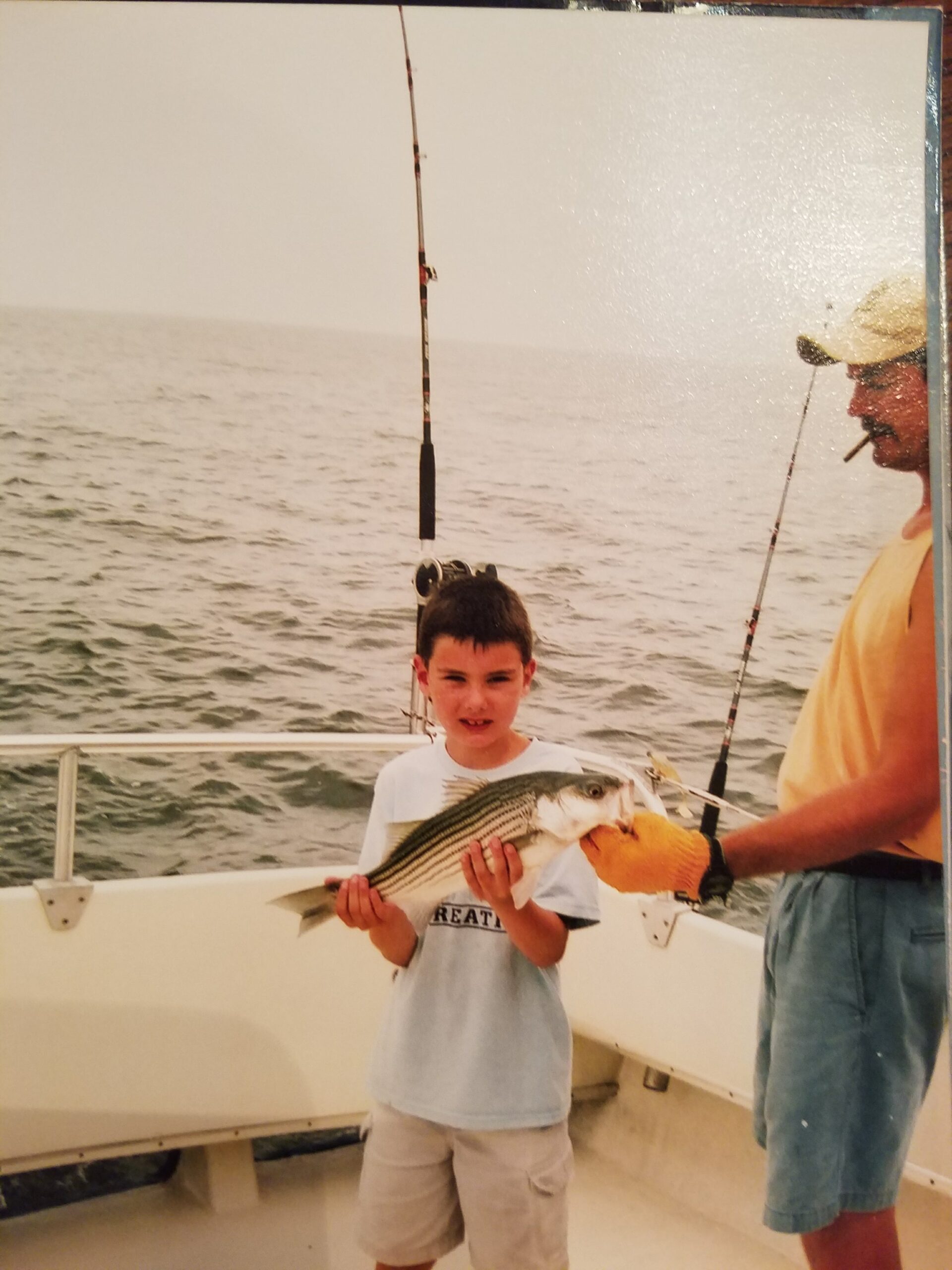
The Chesapeake Bay is America’s largest estuary — 200 miles from the Susquehanna River at the head to the Atlantic at the mouth, with 11,684 miles of tidal shoreline and some of the most diverse fishing in the eastern United States. The Bay produces the finest striped bass fishing on the East Coast (the Chesapeake is the primary spawning ground for the entire East Coast striper population), spectacular summer cobia sight-casting, and a rich diversity of species across every season.
Top Species in the Chesapeake Bay
Inshore/Bay: Striped bass (rockfish) — the signature species, present year-round with spectacular spring and fall runs; weakfish (sea trout); spotted seatrout (lower Bay); bluefish; red drum (lower Bay fall run); flounder; white perch; yellow perch; and cobia (summer).
Nearshore/Offshore (Bay mouth area): Cobia (the Chesapeake Bay Bridge-Tunnel is one of the best cobia destinations on the East Coast in summer), Spanish mackerel, and king mackerel at the Bay mouth.
Top Fishing Spots
- Chesapeake Bay Bridge-Tunnel (CBBT): The 23-mile bridge-tunnel structure at the Bay mouth is one of the most famous fishing destinations on the East Coast. Cobia, stripers, tautog, flounder, and sea bass all concentrate around the tunnel island structures. A private fishing pier on the CBBT requires a fee but provides spectacular access.
- Sandy Point Shoal / Bay Bridge area: The William Preston Lane Jr. Memorial Bridge (the “Bay Bridge”) creates rips and structure that concentrate stripers, bluefish, and white perch throughout the season.
- Calvert Cliffs / Patuxent River area: The western shore of the mid-Bay produces excellent striper fishing around the cliff structure, river mouths, and underwater rock piles.
- Eastern Shore Marshes: The shallow marsh systems of Maryland and Virginia’s Eastern Shore hold excellent spotted seatrout and red drum (lower Bay) in the warmer months.
- The Cell (offshore structure): Artificial reef structure near the Bay mouth holding amberjack, cobia, and summer species.
Seasonal Calendar
Spring (March–May): The striper spawning run — fish migrate from the ocean into the Bay and up the tributary rivers to spawn. The Susquehanna Flats near Havre de Grace is the most famous spring striper spot on the Bay. April and May produce trophy rockfish in the upper Bay.
Summer (June–August): Cobia season peaks at the CBBT and throughout the lower Bay — sight-casting to cobia following rays is one of the most exciting fishing experiences on the Bay. Spanish mackerel and bluefish in the main Bay channel. Stripers move to deep, cool water in summer and can be targeted on downriggers.
Fall (September–November): The best overall Bay season. Stripers leave deep water and feed aggressively on the surface — spectacular topwater fishing from September through November. Red drum in the lower Bay near the Bay mouth. Bluefish migrating south.
Winter (December–February): Trophy stripers in the lower Bay and Potomac River. Tautog on hard structure. The Chesapeake Bay Bridge-Tunnel produces year-round on calm days.
Fishing Licenses
Maryland Chesapeake Bay Sport Fishing License or Virginia Saltwater Fishing License required depending on which state’s waters you fish. Non-tidal Virginia and Maryland licenses for freshwater upper tributaries. Striped bass: Maryland — 19″ minimum, 1 fish per day (varies by season and area). Always check current MDNR and VMRC regulations — Chesapeake striper regulations change annually.
Local Resources
- Bay Bridge Marina (Stevensville, MD): Well-stocked tackle shop with current Bay fishing reports
- Keen’s Marine (Reedville, VA): Primary launch point for the lower Bay and CBBT area
- Chesapeake Bay Program: chesapeakebayfishing.com — tournament and guide information
Planning a trip?
This report tells you what happened. ReelAI tells you what to do about it — a briefing for your date, your target species and how you're fishing, built from our reports plus live NOAA and USGS data.
Powered by ReelAI — fishing.digital's intelligence layer. Answers are generated from fishing.digital reports and public NOAA, NWS and USGS data, and may be incomplete or out of date. Regulations and marine safety information are summaries only; always confirm with the responsible authority before you fish.