
Updated: Thursday, October 29, 2026 · Next update: Thursday, November 5, 2026
This Hawaii fishing report is a seasonal outlook for the Kona coast’s bluewater and the island’s inshore reefs. Fall remains a prime stretch for blue marlin and yellowfin tuna off Kona, while mahi roam the weed lines and papio feed on the flats. Wind and swell are the key variables, since trade winds build later in the day.
What’s Hitting
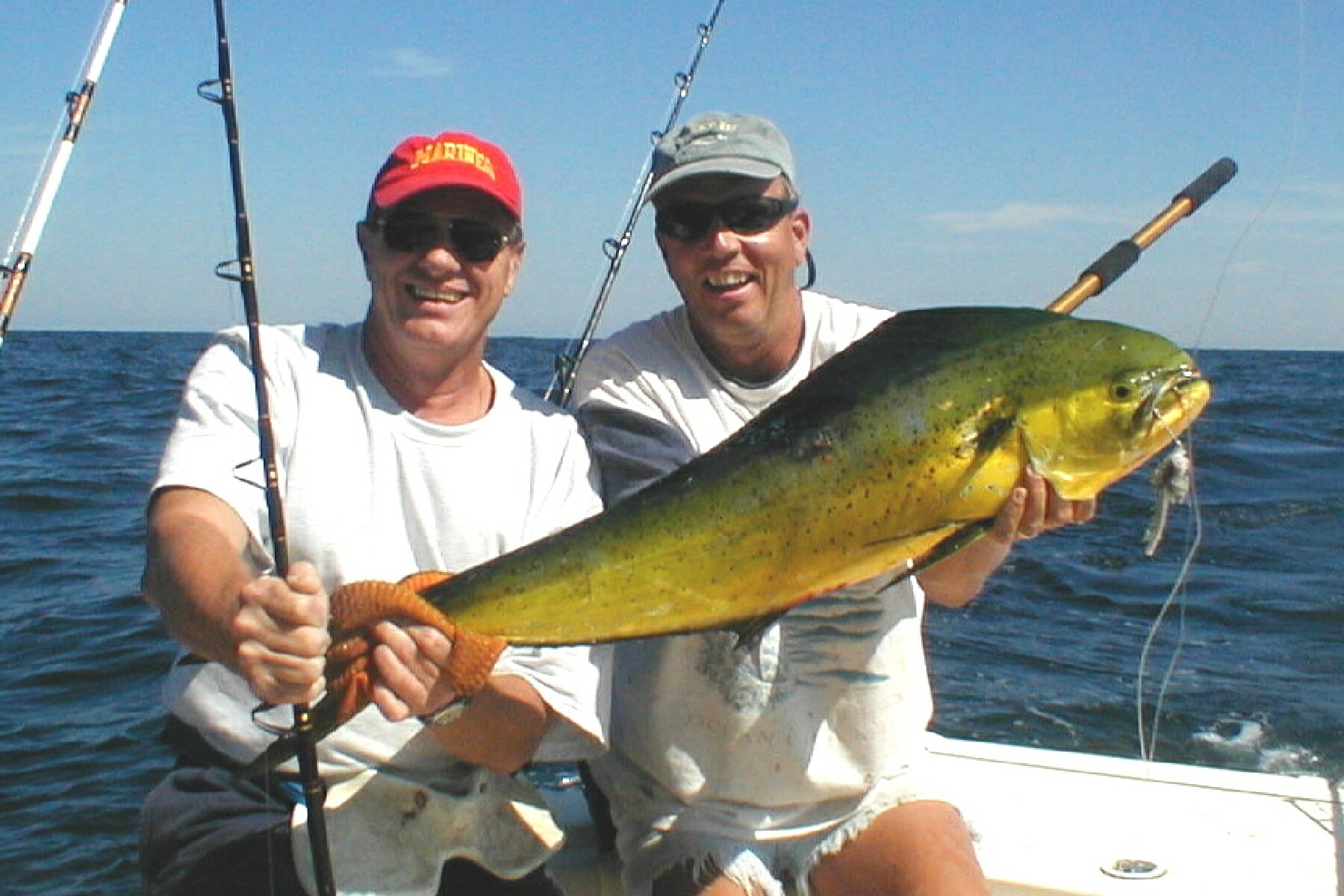
Blue marlin and yellowfin tuna are offshore of Kona and Kawaihae, mahi are along weed lines and floating debris, and ono hold along the ledges. Skipjack tuna are available as bait and food fish. Inshore, papio and bonefish hunt the flats and reef edges at dawn. Smaller boats can still find mahi and skipjack inside a few miles, particularly around floating debris and bird activity.
Where to Find Them
Troll the ledges and the 1,000 to 2,000 foot range off Kona for marlin and tuna, and look for floating debris for mahi. The area off Kawaihae and Keahole Point offers calm leeward waters. Inshore, the reef edges near Honokohau and Kailua Bay hold papio at first light. Shore anglers can try the rocky points and shoreline near Kawaihae Harbor and the Kona coast for papio and omilu at first light.
Tides & Conditions
Tides have less effect offshore than the moon phase and the weather. Calm mornings are usually best, and trade winds build later in the day. With the moon waning, the offshore bite may slow slightly compared with a full moon. Check the marine forecast. Plan trips around the calm morning window, since afternoon winds can make the return run uncomfortable. Moon phase influences the offshore bite, and many captains favor the days around the new and full moon.
Tackle & Tactics
Lures in a mixed trolling spread for marlin and tuna, live bait or chunk bait for yellowfin, and small jigs for inshore species. Use heavy tackle for marlin and light line for inshore fish. Keep the spread tuned and check lures often. Pitching a small jig or live bait to a visible papio near the reef edge is productive in clear water.
Local Intel This Week
Public access includes Honokohau Harbor, Keauhou Bay and Kawaihae Harbor. Fish concentrate along ledges and drop-offs offshore and on reef edges inshore. Check current state and federal regulations and seasons before keeping fish, including Hawaii rules on certain bottomfish and bonefish. Additional access includes the Kailua Pier and Old Kona Airport State Recreation Area, which provide shore fishing access.
This Week’s Tip
Start early. The morning bite is often best before trade winds build and the surface gets choppy. The calm window is also the safest time to be offshore in a small boat, so use it fully.
Planning a trip to Hawaii?
This report tells you what happened. ReelAI tells you what to do about it — a briefing for your date, your target species and how you're fishing, built from our reports plus live NOAA and USGS data.
Powered by ReelAI — fishing.digital's intelligence layer. Answers are generated from fishing.digital reports and public NOAA, NWS and USGS data, and may be incomplete or out of date. Regulations and marine safety information are summaries only; always confirm with the responsible authority before you fish.