
Updated: Thursday, November 12, 2026 · Next update: Thursday, November 19, 2026
This Alaska fishing report is a seasonal outlook for the week of November 12, built from established seasonal patterns rather than verified catches. By mid-November, much of Alaska is moving into winter, with short days, cold temperatures and freezing lakes. Open-water options narrow to Southeast Alaska’s winter king salmon fishery, late-season rainbow trout on the Kenai Peninsula and steelhead in some coastal streams, while early-ice fishing on interior lakes requires extreme caution.
What’s Hitting
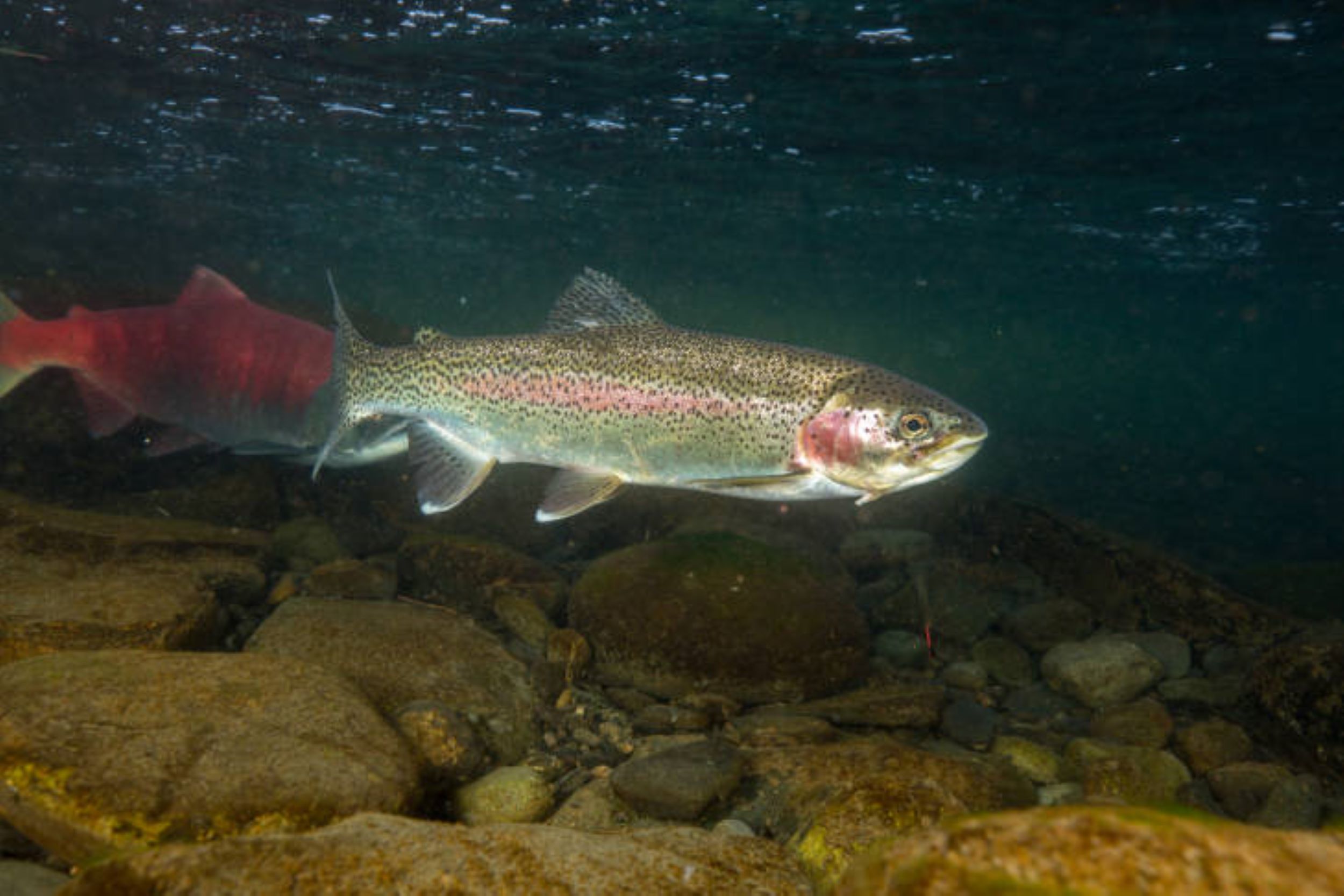
Winter king salmon, also called feeder kings, are a classic late-fall and winter target in Southeast Alaska, particularly around Sitka, Ketchikan and Juneau. Rainbow trout and Dolly Varden on the Kenai River can provide good fishing until freeze-up, often feeding on salmon flesh and eggs. Steelhead may still be found in some Kodiak and Southeast streams. On interior lakes, burbot, northern pike and grayling become ice-fishing targets once ice is safe. Halibut fishing slows significantly. Winter kings are typically immature fish feeding heavily on herring and needlefish, so they can be found at varying depths. Rainbows on the Kenai often feed aggressively before the river slows for winter.
Where to Find Them
In Southeast Alaska, feeder kings are often found near points and tide rips around Sitka Sound and the waters near Ketchikan. The upper Kenai River below Kenai Lake and the middle river hold rainbows and Dollies. Kodiak’s road-system streams, such as the Buskin and American rivers, can hold steelhead late in the fall. Interior lakes near Fairbanks and the Mat-Su Valley host early ice fishing when conditions allow. Kachemak Bay near Homer is another place anglers look for feeder kings during calm winter periods.
Tides & Conditions
Southeast Alaska has large tides, and the November 9 new moon increases current near points and passes. Short days limit fishing time. Weather can change rapidly with storms from the Gulf of Alaska. On interior lakes, early ice is unpredictable, and thickness should be checked often before walking or fishing. In Southcentral Alaska, river levels drop and slush ice can form on cold mornings, which changes where fish hold and how safely you can wade.
Tackle & Tactics
For feeder kings, troll herring or hoochies behind flashers near the bottom. Kenai rainbows respond to bead rigs, flesh flies and egg patterns. Steelhead take float rigs with jigs or beads. For ice fishing, use small jigs and live bait where permitted. Dress in layers and carry survival gear. A seven- to eight-weight fly rod or a medium spinning rod with eight- to ten-pound fluorocarbon covers most Kenai trout fishing. Studded wading boots help on icy rocks.
Local Intel This Week
Sitka and Ketchikan have public harbors and charter boats. The Kenai River has public access at Cooper Landing and the Sterling area, including Bing’s Landing. Kodiak’s road system has numerous access points to streams. Check current state and federal regulations and seasons before keeping fish. Alaska’s regulations vary by area and species, so confirm the rules for the specific water you plan to fish. Carry a satellite messenger in remote areas, since cell coverage is limited.
This Week’s Tip
If fishing the Kenai, focus on slower water near salmon carcasses, where rainbows feed on flesh. Use a bead pegged a short distance above the hook.
Planning a trip to Alaska?
This report tells you what happened. ReelAI tells you what to do about it — a briefing for your date, your target species and how you're fishing, built from our reports plus live NOAA and USGS data.
Powered by ReelAI — fishing.digital's intelligence layer. Answers are generated from fishing.digital reports and public NOAA, NWS and USGS data, and may be incomplete or out of date. Regulations and marine safety information are summaries only; always confirm with the responsible authority before you fish.