
January on the Outer Banks is the heart of winter — cold, often windy, and a fishery defined by tautog on the nearshore wrecks and bluefin tuna on the offshore temperature breaks. It’s not a high-volume month for casual anglers, but for those willing to dress warm and pick their weather windows, the rewards are some of the year’s best winter fishing.
Tautog — Best Winter Bite
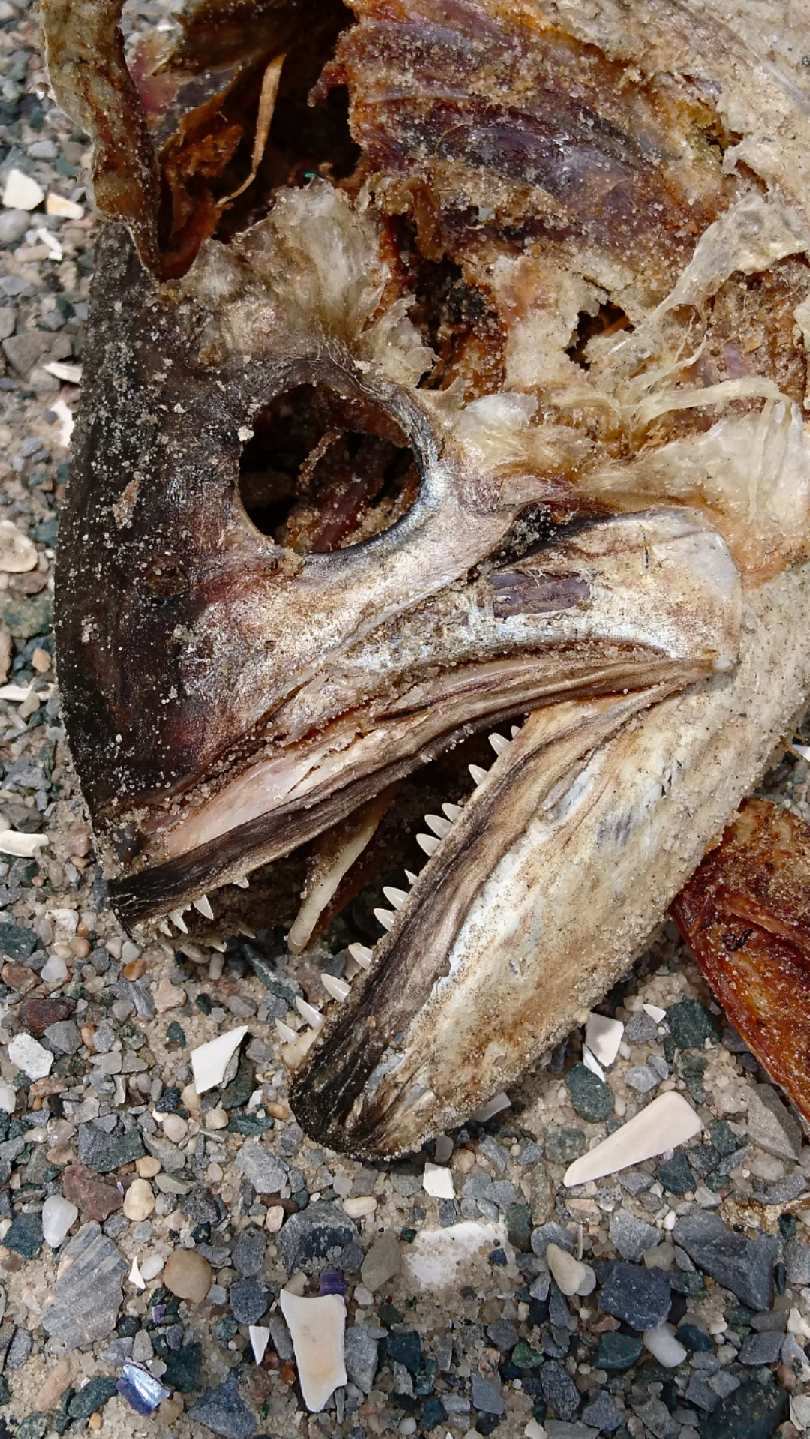
Tautog (blackfish) are the headline inshore species in January on the OBX. The wrecks, artificial reefs, and natural hard bottom from 5 to 25 miles offshore in 50 to 90 feet of water hold concentrated schools of tog through the winter.
Green crabs fished on a Carolina rig or a tautog jig is the standard approach. The bite is subtle — tog mouth and chew rather than slam — so paying close attention to the rod tip is essential. Use 50-pound braid main line with a 50-pound fluorocarbon leader and a 4/0 to 5/0 octopus hook.
Top spots include the AR series artificial reefs (AR-130, AR-140, AR-145), the Diamond Shoals tower wreck, and a network of WW2-era wrecks that local captains know intimately. Hire a guide if you’re new to the area — finding the right structure on a working day is half the battle.
Bluefin Tuna — Hatteras Giant Run
January and February are the peak months for the Hatteras bluefin tuna run. The Gulf Stream pushes giant tuna (fish over 100 inches and often over 500 pounds) within reach of OBX boats, and from Oregon Inlet south to Hatteras, the offshore fleet runs hard when weather permits.
Stand-up tackle for chunking and jigging, or 130-class boat rods for trolling, is what’s required. Live menhaden when available, otherwise cut chunks of butterfish, mackerel, or false albacore. The fight on a giant bluefin can last hours — bring serious gear.
HMS Angling Permit is required. Bluefin retention rules change frequently — check current NMFS regulations before keeping fish. The recreational fishery is heavily managed.
Stripers — Late Winter Holdovers
Striped bass are mostly offshore in January, but a few schoolie holdovers can be caught at Oregon Inlet and in the surf during warming spells. The serious spring run won’t kick off until late February into March.
Surf anglers running the OBX beaches at dawn and dusk can occasionally connect with a schoolie striper on bunker chunks or large bucktails, but it’s not a high-percentage play.
Offshore Bottom — Tilefish and Wreck Fishing
Blueline tilefish, golden tilefish, and the occasional wreck fish (vermilion snapper, sea bass — though sea bass closes in late January in federal waters) provide solid bottom action 30 to 50 miles offshore in 300 to 600 feet of water.
Electric reels with squid and cut bait are the standard for deep-drop tilefishing. It’s a long ride, expensive in fuel, but the fish are big and the meat is excellent.
Pamlico and Inshore Bays
The Pamlico Sound speckled trout fishery is largely shut down in deep winter, though slow-fishing the deep holes of the Pamlico, Neuse, and New Rivers can produce. If a cold-stun event has occurred (water temps below 45°F for extended periods), do not target trout — release any caught immediately.
Redfish in the marsh creeks are slow-biting but possible on cut mullet in the deeper holes that hold winter water temperature.
Conditions and Reality Check
Water temps along the OBX in January are typically 42–48°F nearshore. The Gulf Stream remains in the high 60s, which is why the offshore bite stays strong.
Weather is the limiting factor. Northeasters can blow for a week at a time. Pick your trips around 3-day calm windows and make the most of them.
Where to Be This Month
Nearshore wrecks 5-25 miles out for tautog. Offshore Hatteras for the bluefin tuna run. Oregon Inlet on warming windows for early-season striper hopes. And deep-drop spots 30-50 miles out for tilefish.
Related on fishing.digital:
Planning a trip to NC Outer Banks?
This report tells you what happened. ReelAI tells you what to do about it — a briefing for your date, your target species and how you're fishing, built from our reports plus live NOAA and USGS data.
Powered by ReelAI — fishing.digital's intelligence layer. Answers are generated from fishing.digital reports and public NOAA, NWS and USGS data, and may be incomplete or out of date. Regulations and marine safety information are summaries only; always confirm with the responsible authority before you fish.