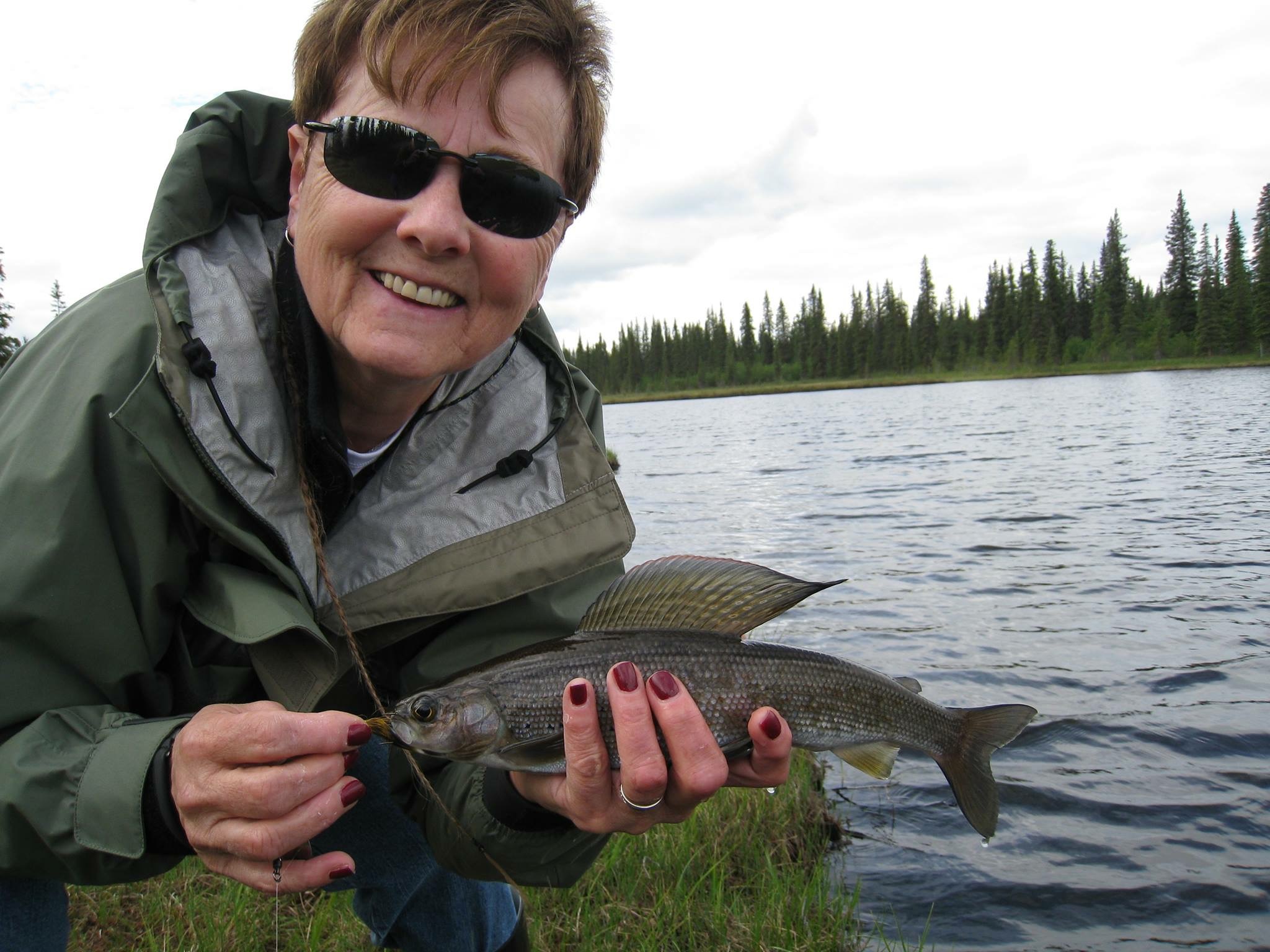
Alaska is the world’s premier sport fishing destination — a place where 12,000 rivers, 3 million lakes, and 6,640 miles of coastline converge with all five species of Pacific salmon, trophy rainbow trout, “barn door” halibut exceeding 200 pounds, and grayling in crystal-clear arctic streams. Nearly 60% of Alaskans hold a fishing license, and the state draws anglers from every continent who make the journey specifically for the fishing.
Top Species in Alaska
| Species | Peak Season | Best Locations |
|---|---|---|
| Chinook (King) Salmon | June–July | Kenai River, Anchor River, Nushagak River |
| Sockeye Salmon | July–August | Kenai River, Naknek River, Bristol Bay |
| Coho (Silver) Salmon | August–September | Resurrection Creek, Kasilof River, Kodiak Island |
| Pacific Halibut | May–September | Homer, Seward, Kodiak, Sitka, Juneau |
| Rainbow Trout | Year-round (peaks June & September) | Kenai River, Naknek River, Iliamna River |
| Arctic Grayling | June–September | Interior Alaska rivers, Denali area |
| Lake Trout | May–June, September | Lake Clark, Naknek Lake, many interior lakes |
Best Fishing Locations in Alaska
Kenai River — The Crown Jewel
The Kenai River on the Kenai Peninsula (2 hours south of Anchorage) hosts the world’s most productive king salmon fishery and rainbow trout that average 20–25 inches with fish over 30 inches common. The upper Kenai (above Skilak Lake) is designated fly fishing only. The lower Kenai (Soldotna to the Inlet) produces the biggest kings — the world record chinook (97 lbs) was caught here. Soldotna is the hub town with full guide services, lodges, and tackle shops.
Homer — Halibut Capital of the World
Homer Spit on Kachemak Bay is the launching point for Alaska’s most productive halibut fishery. Full-day trips run 45–90 minutes offshore to halibut grounds in 200–400 feet of water. Fish averaging 30–80 pounds are common; “barn door” halibut over 150 pounds are caught every summer. The Homer charter fleet is extensive — book well in advance for July and August.
Naknek River / King Salmon — Bristol Bay
The Naknek River hosts one of the world’s great rainbow trout fisheries — trophy fish feeding on sockeye salmon eggs in July and August can exceed 30 inches. Bristol Bay’s river systems (Nushagak, Kvichak, Togiak) receive the world’s largest sockeye salmon runs.
Southeast Alaska — Juneau, Sitka, Ketchikan
Southeast Alaska offers year-round saltwater fishing from accessible port towns. Coho salmon in August and September, halibut, lingcod, and rockfish are the primary targets. Sitka is renowned for halibut, Ketchikan for king salmon in early summer.
Alaska Fishing Seasons at a Glance
| Month | Primary Species | Key Locations |
|---|---|---|
| May | King salmon (early), halibut opens | Kenai, Homer |
| June | King salmon PEAK, rainbow trout | Kenai River, Naknek |
| July | Sockeye, rainbow trout PEAK | Kenai, Bristol Bay, Kodiak |
| August | Coho salmon, halibut, sockeye | All regions |
| September | Coho PEAK, rainbow, halibut closing | Southeast, Kenai Peninsula |
Alaska Fishing Licenses & Regulations
Non-resident fishing licenses are required and can be purchased at Alaska Department of Fish and Game offices, most sporting goods stores, and online at adfg.alaska.gov. Non-resident annual license: ~$145. 3-day: ~$55. King salmon stamps are required separately (~$25). Regulations change annually — always check the current sport fishing regulations booklet before fishing any Alaska water.
Planning Your Alaska Fishing Trip
Most visiting anglers use a lodge-based trip (float plane access to remote rivers), a day charter out of a port town, or self-guided fishing on accessible road-system rivers. Road-accessible fishing on the Kenai Peninsula is the most budget-friendly option and still world-class. Book early — prime July weeks on the Kenai and at Homer halibut charters sell out by January for the following summer.
Planning a trip?
This report tells you what happened. ReelAI tells you what to do about it — a briefing for your date, your target species and how you're fishing, built from our reports plus live NOAA and USGS data.
Powered by ReelAI — fishing.digital's intelligence layer. Answers are generated from fishing.digital reports and public NOAA, NWS and USGS data, and may be incomplete or out of date. Regulations and marine safety information are summaries only; always confirm with the responsible authority before you fish.