Updated: Thursday, July 2, 2026 · Next update: Thursday, July 9, 2026
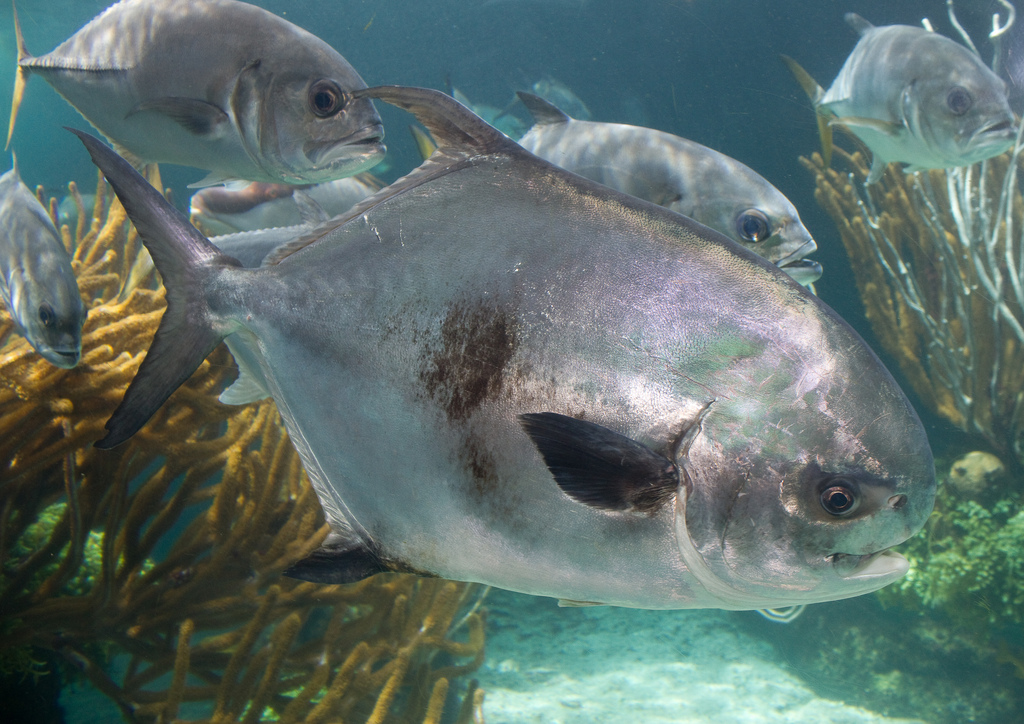
This Florida Keys fishing report for early July finds summer settling the Keys into a flats-and-patch-reef rhythm. Light morning winds open up the oceanside flats for permit, the lead species, and the patch reefs stack up with mangrove and yellowtail snapper for a steady bottom pull. Tarpon in the channels shift to their summer night pattern, and a run to the edge offers scattered mahi. The main condition to plan around is wind: light east wind is ideal, and anything over 15 knots muddies the oceanside flats.
What’s Hitting
Permit tail the oceanside flats and hold on the wrecks in good numbers. Yellowtail and mangrove snapper are thick on the patch reefs, and the tarpon that fill the channels and bridges are on their summer nighttime pattern. Offshore, scattered mahi and the odd sailfish reward a run to the edge.
Where to Find Them
Look for permit on the oceanside flats off Islamorada and Marathon on a mid-morning incoming, and on the deeper wrecks when the wind is up. Wrecks give permit cover and a steady supply of crabs, which is why they become the fallback when the flats get rough. Patch reefs in 15–30 feet hold the snapper. Tarpon work the Channel Two and Channel Five bridges after dark.
Tides & Conditions
The water is warm and clear, with low-80s temperatures. Early morning before the sea breeze is the best flats window, and the snapper turn on hard through the tide changes on the patches. Summer thickens the pilchard and ballyhoo schools over the patch reefs and along the reef line, which keeps the snapper and roaming permit fired up. The full-moon and new-moon tides run harder and clean the water fastest, so plan your best flats sessions around the stronger moving water of those periods.
Tackle & Tactics
- Permit: a live crab on a 1/0 circle hook is hard to beat; fly anglers throw a tan Merkin on an 8- or 9-weight.
- Patch-reef snapper: a knocker rig with cut ballyhoo or live shrimp on 20 lb fluoro.
- Tarpon: a live mullet or a big swimbait in the bridge shadows.
The knocker rig lets the sinker slide down against the hook, so the bait reaches bottom quickly and stays put in current.
Local Intel This Week
Founders Park in Islamorada and Harry Harris Park in Tavernier are the main public ramps up the chain, and the Herman Lucerna ramp serves Key Largo. Launch from Founders Park for the oceanside flats off Islamorada, and use Harry Harris Park or Herman Lucerna for quick runs to the patch reefs between the islands. Permit concentrate on the oceanside flats and nearby wrecks, snapper on the patch reefs. Check current FWC and federal regulations and seasons before keeping fish.
This Week’s Tip
When you find tailing permit, lead the fish and let your crab sink into its path rather than lining it. A permit that swims up to a settled, natural-looking crab commits far more often than one that watches a bait splash down on its head.
Planning a trip to Florida Keys?
This report tells you what happened. ReelAI tells you what to do about it — a briefing for your date, your target species and how you're fishing, built from our reports plus live NOAA and USGS data.
Powered by ReelAI — fishing.digital's intelligence layer. Answers are generated from fishing.digital reports and public NOAA, NWS and USGS data, and may be incomplete or out of date. Regulations and marine safety information are summaries only; always confirm with the responsible authority before you fish.