Updated: Thursday, July 2, 2026 · Next update: Thursday, July 9, 2026
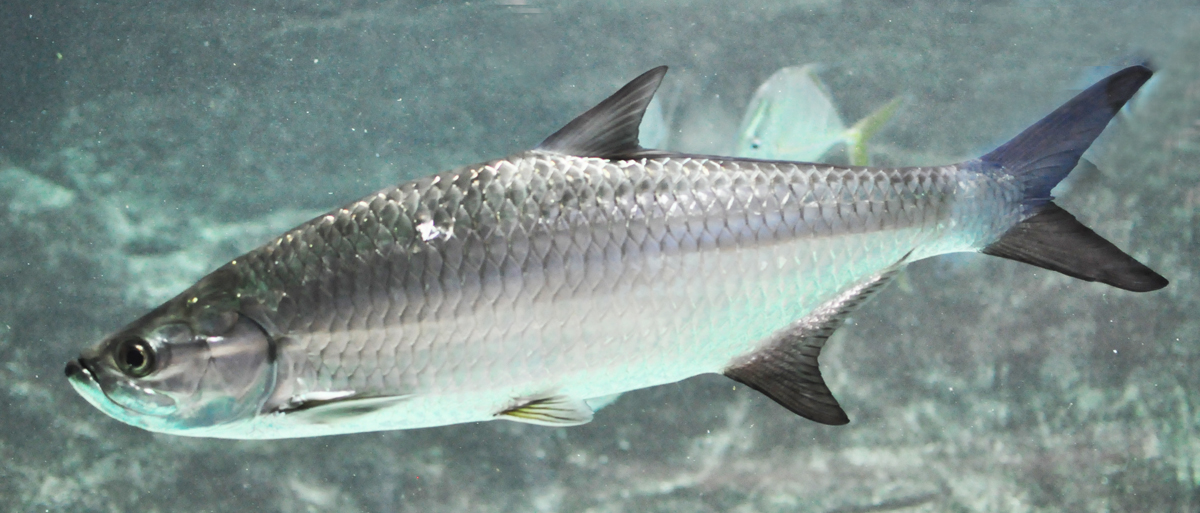
This Stuart fishing report for early July finds the Stuart Crossroads running hot. Warm, settled water loads the St. Lucie Inlet with tarpon on the moving tide, and they are the lead target from the inlet mouth to the crossroads sandbar. A workable weather window puts mahi on the offshore edge for anglers willing to make the run, while snook and mangrove snapper fill in inside. The condition to plan around is the afternoon thunderstorm cycle, so the early morning and the last hour of daylight are the prime windows.
What’s Hitting
Tarpon are the headline, rolling in the inlet and staging off the crossroads on both the incoming and the first of the outgoing. Mahi scatter along the color change offshore, with a few kingfish mixed in on the nearshore reefs. Inside, snook stack around the bridges and dock lights after dark, and mangrove snapper move onto the inlet rocks in numbers.
Where to Find Them
Work the inlet mouth and the sandbar just inside on a moving tide for tarpon. Offshore, run to the 120–180 foot color change and look for weed lines and frigate birds for mahi. Snook hold tight to the Roosevelt and Evans Crary bridge shadow lines after dark, where the edge between light and shadow lets them ambush bait swept along by the current. Snapper stack on the inlet jetty rocks.
Tides & Conditions
Expect water temperatures in the low-to-mid 80s. The best tarpon movement comes on the strong incoming through the top of the tide. July storms fire up fast over the St. Lucie watershed, so keep an eye on the radar. Bait is the story: glass minnows, pilchards and finger mullet stack in the inlet and along the beaches, and the tarpon follow those schools on the moving water. For an offshore mahi run, go early, since the seas typically build through the afternoon as the sea breeze fills in against the tide.
Tackle & Tactics
- Inlet tarpon: live mullet or a big croaker on a 5/0 circle hook under 40–50 lb fluorocarbon.
- Mahi: pitch ballyhoo or small bonito strips on light spinning gear to fish under the weeds.
- Snook: a white paddletail or a live pilchard worked along the bridge fenders.
Keep snook baits tight to the structure; snook rarely leave the shadow to chase.
Local Intel This Week
Sandsprit Park in Port Salerno is the closest ramp to the inlet, so use it for tarpon at the inlet mouth and for offshore mahi runs. Shepards Park in downtown Stuart and Leighton Park in Palm City cover the river and put you close to the Roosevelt and Evans Crary bridges for the after-dark snook. Fish concentrate right at the St. Lucie Inlet mouth and along the crossroads sandbar on moving water. Check current FWC and federal regulations and seasons before keeping fish.
This Week’s Tip
On the tarpon, resist the urge to swing hard on the eat. Let the fish load the rod against a circle hook and turn. A slow, steady sweep buries the point in the corner of the jaw far more reliably than a big hookset that pulls the bait out of a bony mouth.
Planning a trip to Stuart?
This report tells you what happened. ReelAI tells you what to do about it — a briefing for your date, your target species and how you're fishing, built from our reports plus live NOAA and USGS data.
Powered by ReelAI — fishing.digital's intelligence layer. Answers are generated from fishing.digital reports and public NOAA, NWS and USGS data, and may be incomplete or out of date. Regulations and marine safety information are summaries only; always confirm with the responsible authority before you fish.