
Updated: Thursday, July 2, 2026 · Next update: Thursday, July 9, 2026
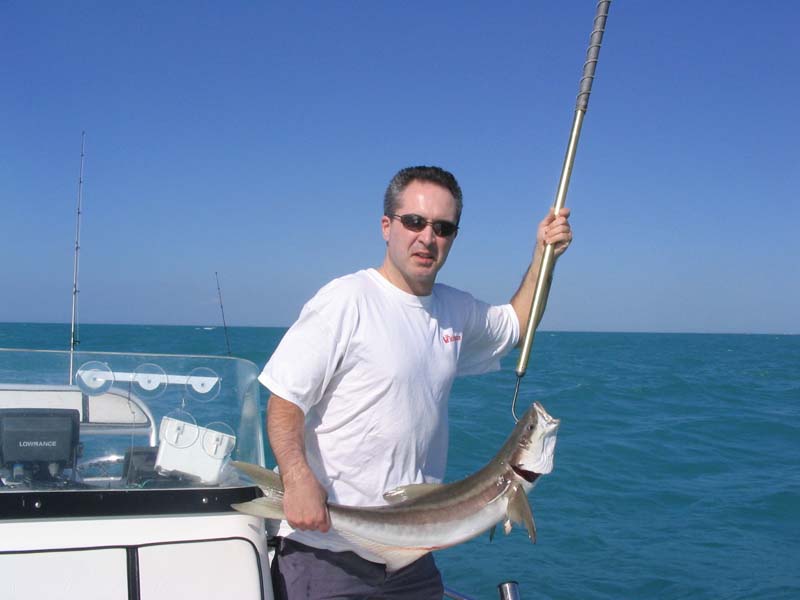
This Chesapeake Bay fishing report finds the bay in its early-summer transition in early July. Cobia are the lead target, building into the lower bay for sight-casting and chumming around the buoys and shoals, while post-spawn striped bass feed along the channel edges and structure through the middle and lower bay. Speckled trout, red drum and Spanish mackerel round out the lower bay. The main condition to plan around is light and weather: calm, sunny mornings for spotting cobia, and afternoon thunderstorms that build over the bay.
What’s Hitting
Cobia are the summer draw, stacking in the lower bay for sight-casting and chumming around the buoys and shoals. Post-spawn stripers feed along the channel edges, bridge structure and rips.
Speckled trout and red drum work the lower-bay grass and shoals, and Spanish mackerel push into the mouth of the bay.
Where to Find Them
Sight-cast and chum for cobia on the lower-bay shoals and buoy lines. Look for stripers along the channel edges, the CBBT pilings and the rips, where current and structure concentrate bait.
Specks and reds work the grass and shoals near the mouth, and Spanish blitz the lower bay on clean water.
Tides & Conditions
Expect water in the mid-70s. Calm, sunny mornings are best for spotting cruising cobia, and stripers feed hardest on the moving tide along structure at low light. The lower bay’s moving tide turns on the specks and Spanish. Plan to be off the water before afternoon thunderstorms build.
Bay anchovies, menhaden and small spot build through the lower and middle bay, and stripers stack along the channel edges and structure to ambush that bait on the moving tide. Cobia key on the same forage over the shoals, cruising the surface to run down bait on calm, sunny days.
Tackle & Tactics
Match the presentation to the species:
- Cobia: throw a bucktail or a live eel to sighted fish, or set a chum slick on the shoals. A steady slick draws fish up from a distance and keeps them near the boat long enough for a pitched bait.
- Stripers: fish live spot, cut bait or jigs along structure.
- Specks and reds: use a popping cork and shrimp, or a soft plastic.
- Spanish: troll a spoon, or cast one and retrieve it fast.
Local Intel This Week
Sandy Point State Park serves the upper-middle bay near the Bay Bridge. Launch at Kent Narrows or the Solomons Island ramps to reach the mid and lower bay. From the lower-bay launches, run to the shoals and buoys for cobia, and work the channel edges and bridge structure for stripers.
Check current state and federal regulations and seasons before keeping fish.
This Week’s Tip
For lower-bay cobia, spend the calm mornings idling and glassing the buoys and color changes from a tower or the bow before you commit to chumming. A single spotted, actively cruising fish that eats a well-placed bucktail is worth more than an hour of blind chumming on empty water.
Planning a trip to Chesapeake Bay?
This report tells you what happened. ReelAI tells you what to do about it — a briefing for your date, your target species and how you're fishing, built from our reports plus live NOAA and USGS data.
Powered by ReelAI — fishing.digital's intelligence layer. Answers are generated from fishing.digital reports and public NOAA, NWS and USGS data, and may be incomplete or out of date. Regulations and marine safety information are summaries only; always confirm with the responsible authority before you fish.