
This week out of Panama City, it is peak summer on the Gulf. The snapper fleet is filing out of the pass every morning at first light, and the inshore bite is rewarding anyone willing to set an early alarm.
What’s Hitting
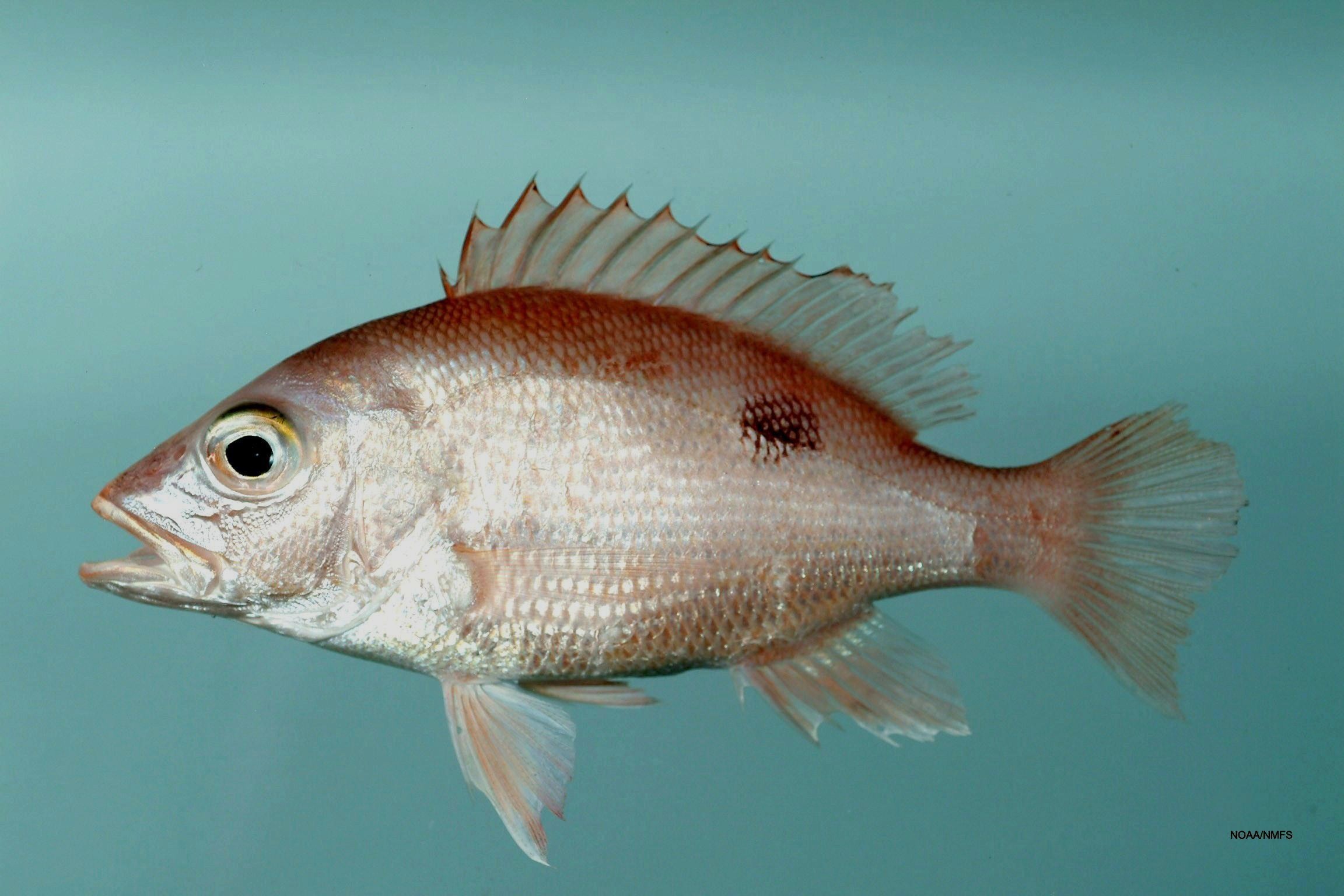
Red snapper are producing steady limits on the wrecks and live bottom in 90 to 140 feet. King mackerel are thick around the pass and the nearshore bait, Spanish mackerel are working the bay, and speckled trout are on the grass flats of St. Andrew Bay and West Bay at dawn. Redfish are holding on the jetty rocks and around the bridges.
Where to Find Them
The better snapper are coming off private numbers and the less-obvious public spots southwest of the pass. Kings are within a mile of the beach around the bait pods and at the sea buoy. Trout want 3 to 5 feet of grass early — the flats behind Shell Island have been reliable.
Tides & Conditions
Morning tides are workable this week, and seas have been Gulf-flat until the sea breeze arrives after lunch. Bay water is hot — the trout bite ends by nine most mornings. Afternoon storms are daily and occasionally severe.
Tackle & Tactics
Snapper want live pinfish or big cut baits on 60- to 80-pound fluorocarbon bottom rigs. For kings, slow-troll live baits on stinger rigs at the pass edges. Trout are on topwater plugs at first light, then live shrimp under a popping cork once the sun gets up.
Spots & Access This Week
On-foot options are strong here in July: the jetty rocks inside St. Andrews State Park give shore anglers a legitimate shot at the same snapper, redfish, and Spanish the boats are catching in the pass, and the Russell-Fields and M.B. Miller county piers on the beach are producing kings and the occasional tarpon sighting on the calm mornings. Small-boat anglers who don’t want to run outside can work the Grand Lagoon docks for snapper and the West Bay grass for trout — the ramp at Carl Gray Park covers that end. If the pass is rough on the outgoing, the bay side of the jetties fishes nearly as well.
Fine-Tuning the Bite
Offshore, the snapper on the pressured public numbers have seen every knocker rig in Bay County — the adjustment that’s working is a 12- to 15-foot fluorocarbon leader on a light carolina rig with the smallest lead you can hold bottom with, drifted rather than anchored. First drop matters most, so make it count before the chum and the noise educate the school. Inside, the trout bite dies with the sun but restarts under the dock lights after ten — a live shrimp free-lined into the shadow edge, not the middle of the light pool, picks the better fish while the dinks chase the glow.
Local Intel This Week
The ramp at St. Andrews State Park puts you closest to the pass, with Carl Gray Park and the Panama City Marina ramps covering the bay. Fish are concentrating at the pass, the nearshore bait, and the deeper offshore structure. Red snapper seasons and limits differ between state and federal waters and change annually — check current FWC and federal regulations before keeping fish.
This Week’s Tip
At the pass, fish the color change where the outgoing bay water meets the clear Gulf. Kings, Spanish, and even the odd cobia patrol that edge like a fence line — troll it in an S-pattern instead of running straight down the middle. Whatever you target, file a float plan around the storms — the afternoon build over the bay has been fast this week, and the run home from the snapper grounds is long with lightning behind you.
More Panama City Resources
Panama City Fishing Guide · Panama City Seasonal Calendar · All Panama City reports →
Also read: Panama City Fishing Report — Week of July 30, 2026: Snapper Offshore, Trout on the Grass
Reports updated every Thursday on fishing.digital.
Planning a trip to Panama City?
This report tells you what happened. ReelAI tells you what to do about it — a briefing for your date, your target species and how you're fishing, built from our reports plus live NOAA and USGS data.
Powered by ReelAI — fishing.digital's intelligence layer. Answers are generated from fishing.digital reports and public NOAA, NWS and USGS data, and may be incomplete or out of date. Regulations and marine safety information are summaries only; always confirm with the responsible authority before you fish.