
Long Island in the last week of August is fishing on two tracks at once. The summer fishery is still fully in gear — fluke, porgies, sea bass — while the first albies and bonito have shown on the south shore, which is the earliest signal that the fall run is coming. Water is at its warmest, so the inshore day starts early.
What’s Hitting
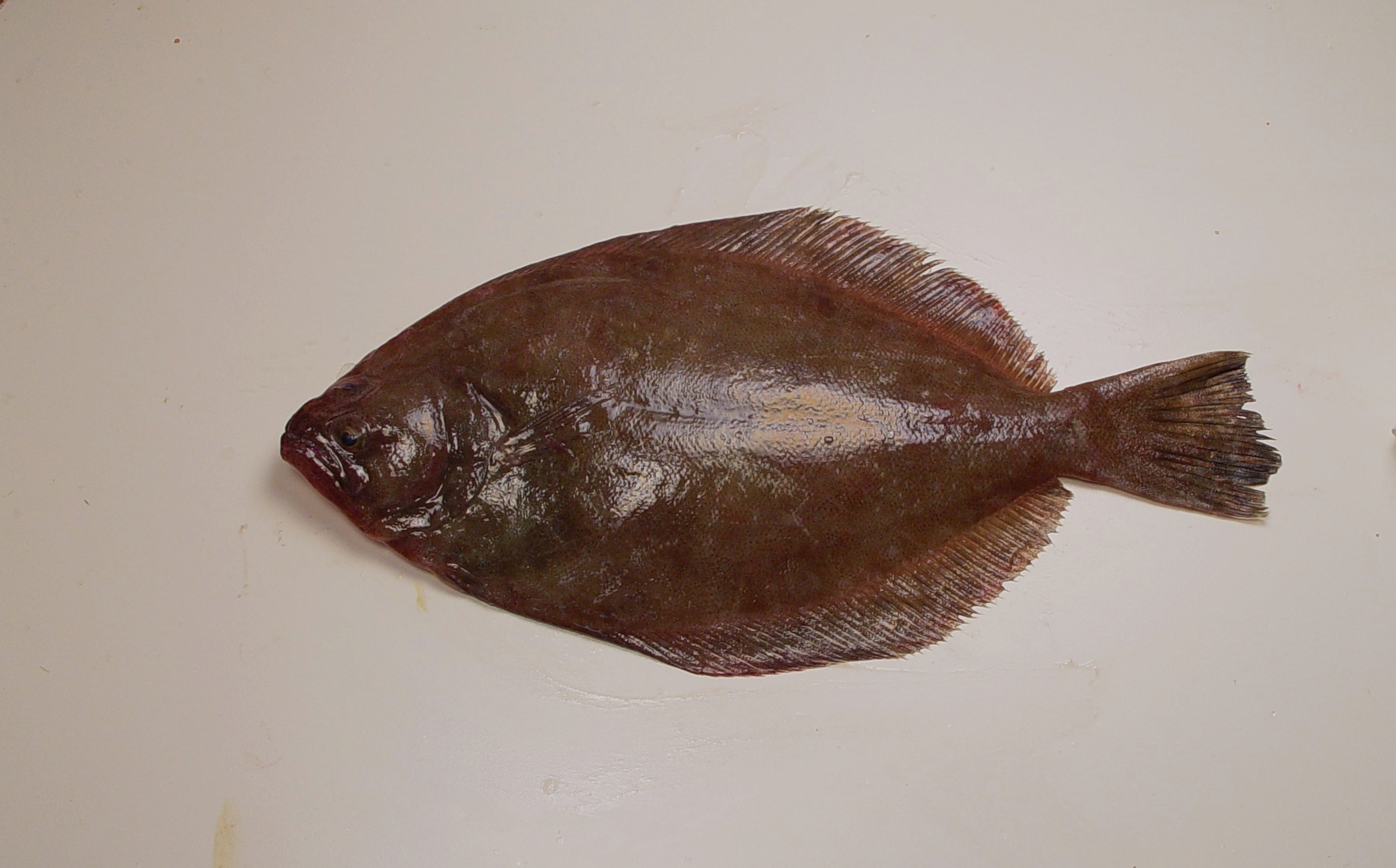
Fluke are the primary target and the better fish have moved onto the rougher bottom — wrecks, reefs and rockpiles rather than open sand.
Porgies are stacked on every piece of structure in the bays and the Sound in genuinely excellent numbers, and sea bass are mixed in with them. False albacore and bonito have started to appear along the south shore beaches and inlets. Striped bass are around in the bays and the Sound early and late, with the fall run still ahead. Bluefish are widespread, and there are tuna offshore for boats with the range.
Where to Find Them
For fluke, work the inshore wrecks and reefs off the south shore, the rough bottom around the Moriches and Shinnecock inlets, and the structure in the eastern Sound. Fish structure edges, not open sand.
Porgies and sea bass are on the rockpiles and wrecks throughout Long Island Sound and around Montauk and the Peconics. Albies and bonito are being found around the south shore inlets — Jones, Fire Island, Moriches and Shinnecock — on calm mornings. Striped bass hold in the back bays, the Peconics and along the north shore rocks at first light.
Tides & Conditions
Water temps are at their annual peak, low to mid 70s inshore, which is what has drawn the albies in and what pushes the striper action into low light.
Tides run a moderate range with strong current through the south shore inlets, and that current is what concentrates bait. Fish the moving water. Southwest sea breezes have been building most afternoons, and the first sustained northeast blow of the season typically accelerates the fall pattern more than any calendar date does.
Tackle & Tactics
For structure fluke, a bucktail with a Gulp or squid strip trailer worked vertically on short controlled drifts, with a teaser above it. Set up so you cross the piece in about a minute and then reset, rather than making long drifts over barren bottom.
Porgies take clams or squid on a simple high-low rig — this is the most reliable way to put a bend in a rod for anyone bringing kids along. Albies want a light spinner, 20-pound braid, fluorocarbon and a small epoxy jig; profile matters more than color because they are on very small bait. Bay stripers eat a soft plastic on a light jighead worked along the channel edges at dawn.
Local Intel This Week
Ramps and access: the Captree and Bay Shore ramps on the south shore, the Shinnecock Canal ramp, the Port Jefferson and Mount Sinai ramps on the north shore, and the Peconic ramps in Southampton and Riverhead. Shore anglers have excellent access at Captree State Park, the Shinnecock and Moriches inlet jetties, and the Robert Moses and Jones Beach areas.
Fish are concentrating on hard structure for fluke and around the inlets as the albies push in. New York summer flounder, black sea bass, porgy and striped bass all carry seasons and size limits that change annually, and striped bass includes a strict slot and circle-hook requirements when bait fishing. Check current NYSDEC marine regulations before keeping fish.
This Week’s Tip
When albies show at an inlet, position yourself where the current dumps rather than chasing the blitz along the beach. The bait gets pushed through the same seam on every tide cycle and the fish work a circuit through it. Standing on the down-current side of a jetty tip and waiting for the school to come around beats running two hundred yards to where the last swirl was.
Planning a trip to Long Island NY?
This report tells you what happened. ReelAI tells you what to do about it — a briefing for your date, your target species and how you're fishing, built from our reports plus live NOAA and USGS data.
Powered by ReelAI — fishing.digital's intelligence layer. Answers are generated from fishing.digital reports and public NOAA, NWS and USGS data, and may be incomplete or out of date. Regulations and marine safety information are summaries only; always confirm with the responsible authority before you fish.