
Updated: Thursday, October 22, 2026 · Next update: Thursday, October 29, 2026
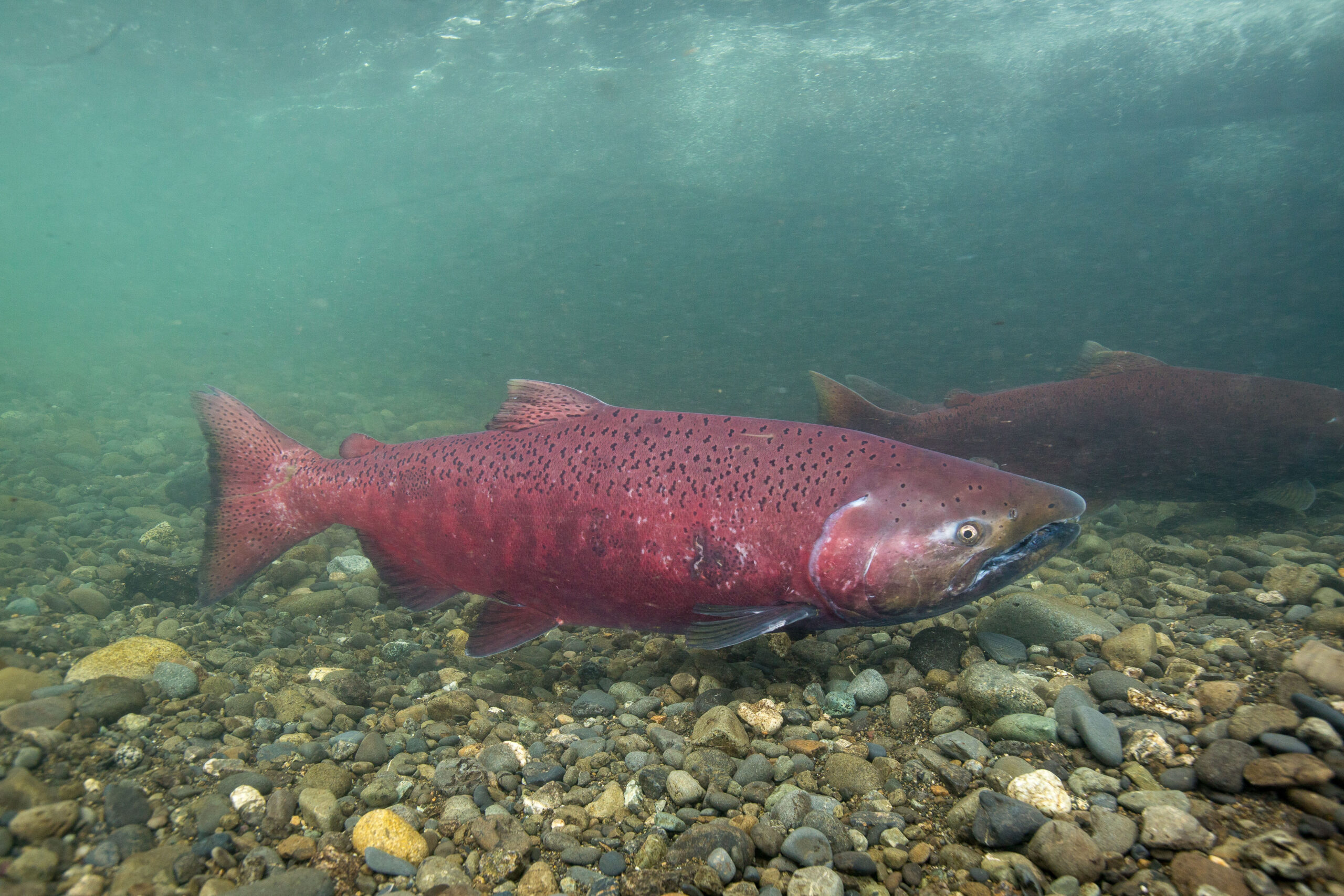
This Pacific Northwest fishing report covers late October, when fall rains bring salmon into the rivers and the late-season runs are the focus around Puget Sound and the Columbia. Coho and chinook are the lead targets in the rivers and estuaries, with chum salmon beginning to show. Searun cutthroat and steelhead are active in some systems, and lingcod and rockfish are available in Puget Sound where open. The main conditions to plan around are rainfall and river flows, plus the tide near river mouths.
What’s Hitting
Coho and chinook are in the rivers and estuaries, and chum salmon are beginning to show. Searun cutthroat and steelhead are active in some systems.
Lingcod and rockfish are available in Puget Sound where open. Expect rising river flows after rain to push more fish upstream, with chum runs building into November.
Where to Find Them
Fish the lower stretches of the coastal rivers and Columbia tributaries for coho and chinook, and the Puget Sound estuaries for chum and cutthroat.
Salmon entering fresh water often rest in the lower river, in deeper pools and slower seams, before moving upstream on higher flows. Check for any area closures before heading out. In clear, low water, fish the deeper holding water and low-light hours; after rain, follow the fish upstream.
Tides & Conditions
Tides matter most near river mouths and estuaries, with incoming water pushing fish in. Also watch river levels and rainfall. Rain raises and colors the water, which gives salmon the cue and cover to move. Very high, muddy water can make fishing tough, so the first days of a drop after a rise are worth planning around. Check a current tide chart and river flow gauges before every trip.
Tackle & Tactics
- Coho and chinook: spinners, spoons and plugs.
- Chum: eggs or beads under a float.
- A medium-heavy spinning or casting rod.
Fish the tide changes at river mouths and watch for fish rolling. Rolling salmon reveal where a school is sitting, and a float rig lets eggs or beads drift naturally at the depth where fish are suspended.
Local Intel This Week
Public ramps around Puget Sound and the lower Columbia River are the main ways onto the water. On the Sound, Shilshole Bay Marina is a boat option and the Des Moines Marina Pier gives shore anglers a spot to fish. Near the mouth of the Columbia, the site’s guide lists Hammond Marina and Westport Marina. Salmon seasons in Washington and Oregon change frequently, and emergency rules can open or close water on short notice. Check current state and federal regulations and seasons before keeping fish.
This Week’s Tip
Check the rules every trip. Salmon regulations in this region are updated often. A stretch of river or a marine area open on one trip can close by the next, so a quick look at the current rules and emergency notices belongs in the plan for every salmon outing.
Planning a trip to Pacific Northwest?
This report tells you what happened. ReelAI tells you what to do about it — a briefing for your date, your target species and how you're fishing, built from our reports plus live NOAA and USGS data.
Powered by ReelAI — fishing.digital's intelligence layer. Answers are generated from fishing.digital reports and public NOAA, NWS and USGS data, and may be incomplete or out of date. Regulations and marine safety information are summaries only; always confirm with the responsible authority before you fish.