
Updated: Thursday, October 29, 2026 · Next update: Thursday, November 5, 2026
This Florida Keys fishing report is a seasonal outlook for late October, when the reef, patch and bayside fisheries overlap. Cooling nights have snapper feeding more aggressively on the patches while the first sailfish move into the reef edge ahead of the winter season. Wind direction is the deciding factor, since a northerly blow can limit offshore access but also sets up the sailfish bite.
What’s Hitting
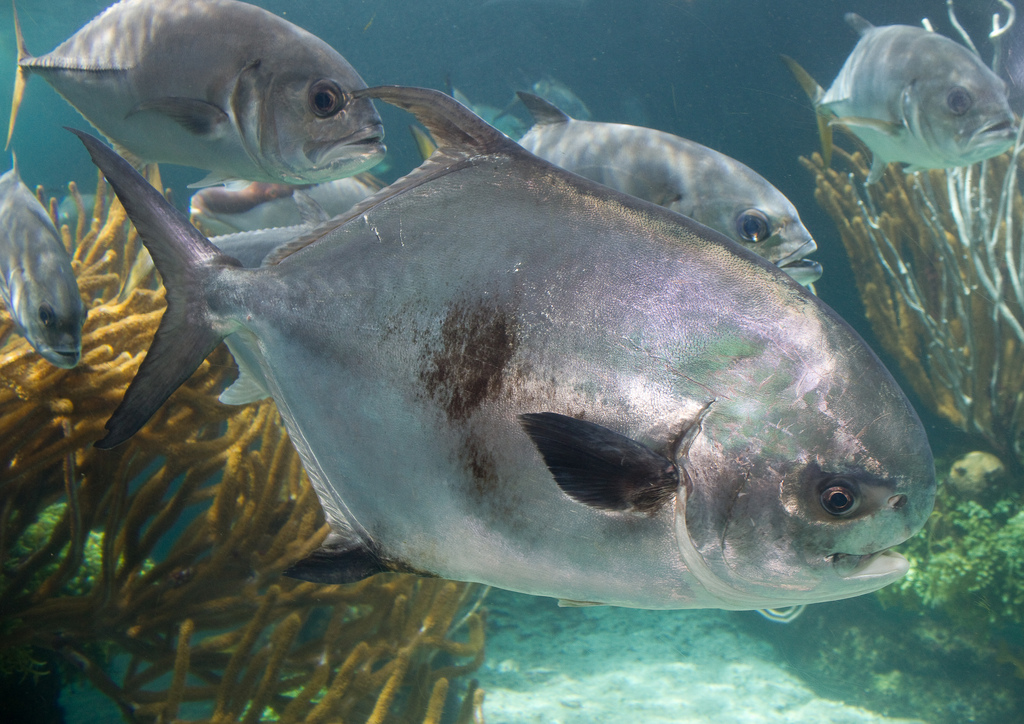
Mutton snapper are a top target on the patch reefs, and yellowtail are working the reef edge behind a steady chum line. Mangrove snapper are plentiful around bridges and channel edges, and cero and king mackerel patrol the reef line. The first sailfish are showing up as fronts push bait south, and the pattern builds through November. Bonefish and permit remain available on the flats on calm, warm afternoons. Expect the best reef action on mornings with light wind, when chum lines drift cleanly and yellowtail rise to the surface.
Where to Find Them
In the Hawk Channel, patch reefs between Key Largo and Marathon hold mutton snapper and yellowtail in 20 to 40 feet. The reef line in 60 to 100 feet is the zone for sailfish and kings. On the bayside, the flats around Islamorada and Marathon hold bonefish and permit, while the Seven Mile Bridge and Bahia Honda channel edges hold mangrove snapper and tarpon. Weed lines offshore sometimes hold mahi. Deeper holes along the Hawk Channel edge also hold mutton snapper around ledges, and the shallow patches near Tavernier and Islamorada are productive when water is clear.
Tides & Conditions
The waning moon eases tidal movement, which suits flats work and makes reef drifting more manageable. Moving water on the reef edge improves the yellowtail bite, while slack tides favor bridge snapper. A strong north wind can make the Gulf Stream edge rough, so check the marine forecast before heading offshore. Water clarity on the flats improves after fronts.
Tackle & Tactics
Chum is the key to yellowtail: a steady trickle of ground bait and a light fluorocarbon leader of 15 to 20 pounds with a small hook. For mutton snapper, live pilchards or shrimp on 20 to 30 pound leader near the bottom work well. Sailfish are best targeted with live baits on a kite or a slow troll. If conditions are rough, shift to protected bayside bridge fishing.
Local Intel This Week
Public access includes the John Pennekamp area in Key Largo, the Bahia Honda State Park ramp, and Sombrero Beach in Marathon. Fish concentrate on patch reefs and the reef edge offshore, and around bridge pilings on the bayside. Check current state and federal regulations and seasons before keeping fish, because many reef species have specific rules.
This Week’s Tip
Keep the chum line steady and the leader light. Yellowtail ignore a heavy rig, and a fresh handful of chum every minute keeps them behind the boat.
Planning a trip to Florida Keys?
This report tells you what happened. ReelAI tells you what to do about it — a briefing for your date, your target species and how you're fishing, built from our reports plus live NOAA and USGS data.
Powered by ReelAI — fishing.digital's intelligence layer. Answers are generated from fishing.digital reports and public NOAA, NWS and USGS data, and may be incomplete or out of date. Regulations and marine safety information are summaries only; always confirm with the responsible authority before you fish.