
Updated: Thursday, November 5, 2026 · Next update: Thursday, November 12, 2026
This Lake Champlain fishing report is a seasonal outlook for the week of November 5, built on how late fall typically behaves on the lake. Cooler water, shorter daylight after the time change, and the new moon on November 9 shape the picture. Wind and lake level, along with any early snow or runoff, will decide which bays are fishable.
What’s Hitting
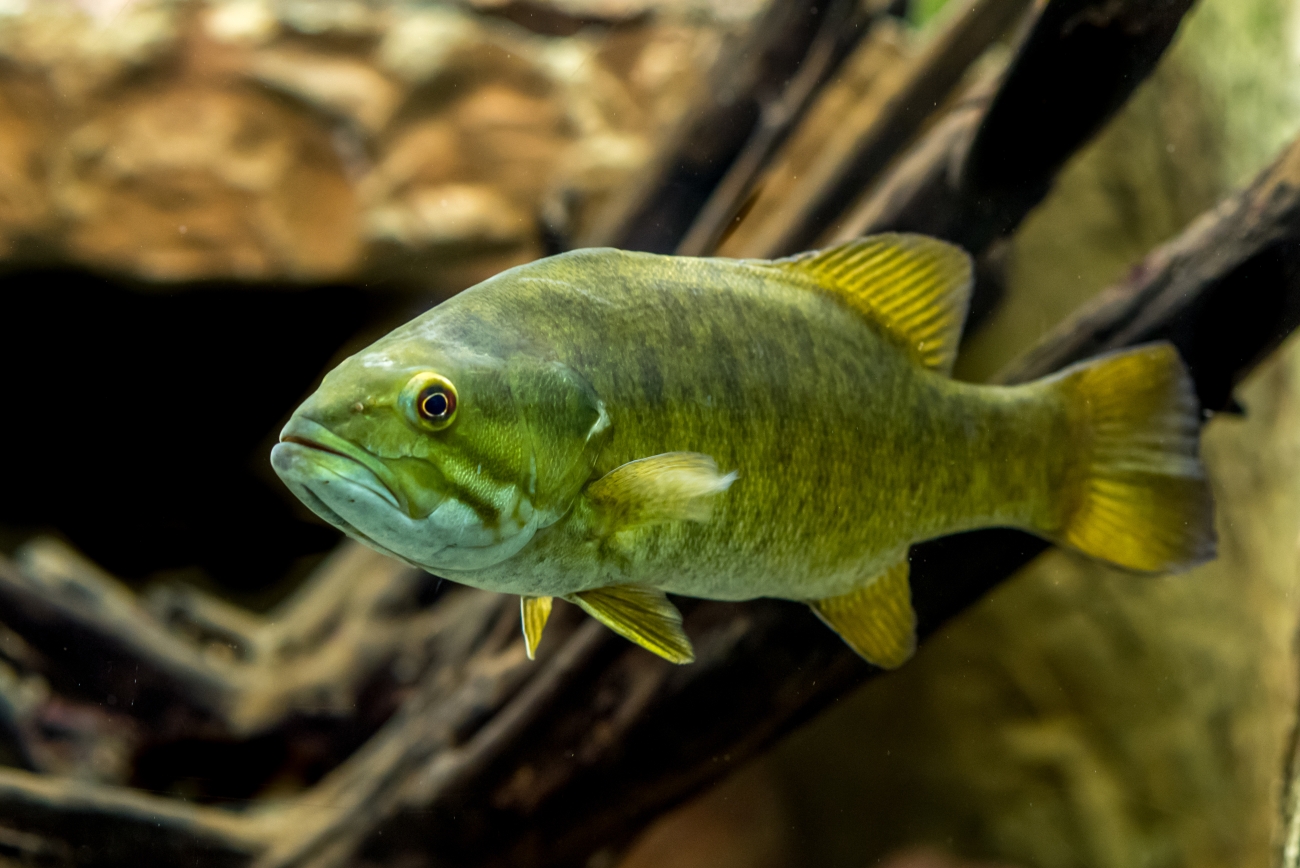
Lake trout should be the headline for boats working deeper water, where fish often relate to rocky drop-offs and humps as they approach spawning season. Walleye typically become more active around points and river mouths at dusk and into the evening, particularly near the Missisquoi and Winooski areas. Yellow perch tend to school over mud flats and weed edges in moderate depths, and finding one often means finding many. Pike may still lurk in shallow bays and around remaining weed cover, though they become less predictable as the water cools. Smallmouth bass generally slide deep and become sluggish, so they are a lesser target now. Fishing is usually best when the weather stays stable for a few days.
Where to Find Them
On the main lake, the area off Burlington, the Four Brothers Islands and the deeper basin near Split Rock are traditional lake trout zones. For walleye, river mouths and shoreline points around Missisquoi Bay, the Winooski River delta and the Ticonderoga area merit attention. Perch usually hold in bays such as Malletts Bay and the Inland Sea, and smaller bays on the Vermont and New York shores. Smaller boats may stay in sheltered coves when wind builds, because the broad lake can turn rough quickly in late fall. The Vermont shore near Shelburne Bay and Charlotte also offers a handful of protected pockets for perch when northwest wind keeps the main lake choppy.
Tides & Conditions
Champlain has no tide, so the variables are wind, light and lake level. Lake level may rise with fall rain and runoff or drop during dry spells, and changing levels can move perch and walleye relative to shoreline structure. Wind pushing across the long north-south fetch builds waves quickly, and a northerly blow can make the open lake dangerous. With sunset arriving earlier after the clocks changed, the dusk walleye window now begins in the late afternoon. The darker new moon on November 9 may help evening walleye fishing, since fish often feel more comfortable moving shallower in lower light.
Tackle & Tactics
For lake trout, use a medium-heavy spinning or baitcasting rod with braided line and a leader, then jig heavy spoons, blade baits or tube jigs near the bottom or troll with downriggers. For walleye, try jig-and-minnow combinations, stickbaits or crankbaits on a medium rod with fluorocarbon leader. Yellow perch respond to small jigs tipped with minnow heads or worms, fished near bottom on a light spinning outfit. Bring insulated waterproof clothing, hand warmers and a life jacket, since the water is cold enough to be dangerous if you fall in.
Local Intel This Week
Public launches include Perkins Pier in Burlington, which is a convenient access point for the central lake, and the Missisquoi National Wildlife Refuge area, which provides access to northern waters. On the New York side, the Plattsburgh City Marina area and Willsboro Bay offer additional launches. Shore anglers can also try the Burlington waterfront path and breakwater. Check current state and federal regulations and seasons before keeping fish. Vermont and New York share the lake, so make sure you know which state’s rules apply where you are fishing. Early-season ice can form in sheltered bays by midwinter, so shore anglers should stay off thin ice entirely. Fish and wildlife offices in both states post current access notices.
This Week’s Tip
On a calm evening, drive to the mouth of a tributary, shut the motor down about an hour before dark, and drift a jig-and-minnow in six to ten feet of water along the edge of the river’s current seam. Keep a spare layer in a dry bag.
Planning a trip to Lake Champlain?
This report tells you what happened. ReelAI tells you what to do about it — a briefing for your date, your target species and how you're fishing, built from our reports plus live NOAA and USGS data.
Powered by ReelAI — fishing.digital's intelligence layer. Answers are generated from fishing.digital reports and public NOAA, NWS and USGS data, and may be incomplete or out of date. Regulations and marine safety information are summaries only; always confirm with the responsible authority before you fish.