
Updated: Thursday, November 5, 2026 · Next update: Thursday, November 12, 2026
This San Francisco Bay Area fishing report offers a seasonal outlook for the week of November 5, based on how the region typically fishes in early November. Fall brings changing weather, early-season rain possibilities, and a shift of fish from the open bay toward the Delta and the surf. Daylight saving ended Sunday, and the new moon arrives Monday, November 9.
What’s Hitting
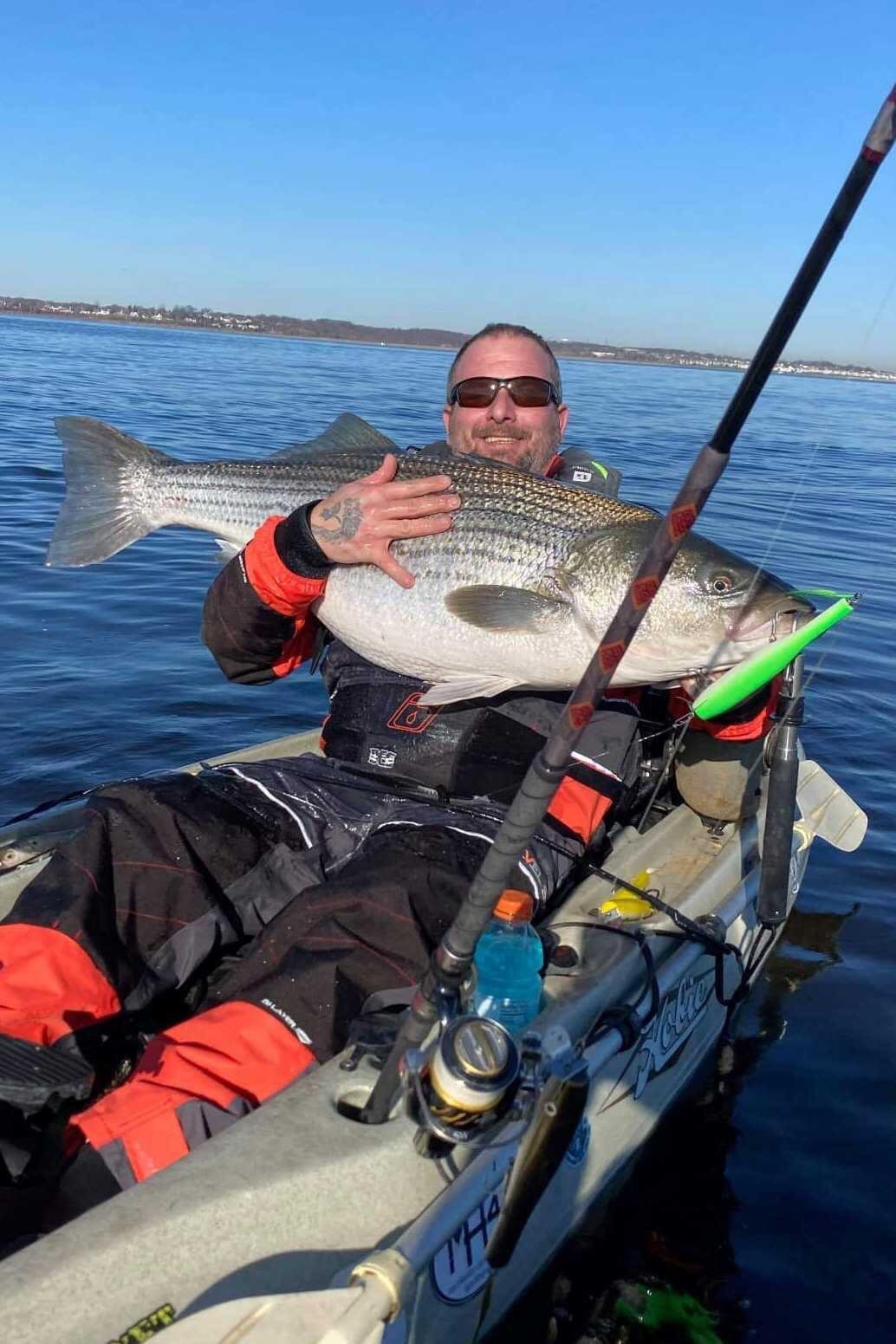
Surfperch tend to become a favorite along the open beaches in the cooler months, and Ocean Beach and the Pacifica shoreline typically offer good action on sand crabs, grubs and bloodworm. Leopard sharks and bat rays often roam the bay’s mudflats and shoreline, giving shore anglers steady rod-bending sport. Striped bass remain a target, with many fish moving through the bay toward the Delta and the Sacramento and San Joaquin systems as fall progresses. Halibut may thin out in the bay but can still show near the Golden Gate and along sandy bottom. Rockfish and lingcod fishing offshore depend on weather windows and regulations. Expect clean water to improve the bite, while the first heavy rains may muddy shorelines near creek outlets and push fish to deeper edges.
Where to Find Them
Ocean Beach in San Francisco and the Pacifica shoreline are well known for surf fishing for perch. Inside the bay, the shorelines around Candlestick Point and the South Bay’s flats are classic spots for leopard sharks and rays. The Marin side near Sausalito and Fort Baker offers piers and rocky points for stripers and perch. For Delta action, anglers often travel to areas such as Rio Vista and the Sacramento River, where striped bass concentrate in the fall. Boaters should consider the wind pattern, since afternoon northwesterlies can make open water rough. Fog and low light call for caution and a working GPS.
Tides & Conditions
Tide timing is crucial for bay fishing, and the new moon on Monday, November 9 should bring strong flows through the Golden Gate and around Alcatraz and Angel Island. Strong currents can make fishing difficult near the channel, so slack tide periods may be easier. On the beaches, a rising tide often brings perch closer to shore, and the hour either side of high tide is a favorite. In the Delta, tidal changes influence striper feeding patterns, and bait often moves with the current. Local tide tables vary by location, so check the station closest to your spot.
Tackle & Tactics
For surfperch, a nine-foot light surf rod with eight-pound line, a small sinker, and hooks baited with sand crabs, bloodworm or small plastic grubs is plenty. For leopard sharks and rays, step up to a medium rod with fifteen- to twenty-pound line and a sliding sinker rig with squid, anchovies or sardines. Striper anglers often use swimbaits, bucktails or live bait where permitted, depending on the location. Pack a sand spike, a warm layer, and waders for beach days. A weather app with wind and swell information is as useful as any lure this time of year.
Local Intel This Week
Several well-known public access points make the Bay Area friendly to shore anglers. Pacifica Municipal Pier is a longtime favorite, offering a platform over deeper water. Candlestick Point State Recreation Area has a fishing pier and shoreline access on the bay’s western side. Fort Baker Pier near Sausalito has views of the Golden Gate Bridge and a place to cast, while Ocean Beach stretches miles along the city’s western edge. Parking can be tight on weekends, so an early start helps. Piers get crowded on fair days, and a short rod avoids tangles. Know that rules for certain species vary, and some areas have special closures or catch-and-release requirements. Check current state and federal regulations and seasons before keeping fish.
This Week’s Tip
Bring a lightweight rod to Pacifica Pier around the hour before high tide this week, and fish small baits near the pilings for perch. Watch the swell forecast before you leave, since large surf can make the pier crowded and unsafe.
Planning a trip to San Francisco / Bay Area?
This report tells you what happened. ReelAI tells you what to do about it — a briefing for your date, your target species and how you're fishing, built from our reports plus live NOAA and USGS data.
Powered by ReelAI — fishing.digital's intelligence layer. Answers are generated from fishing.digital reports and public NOAA, NWS and USGS data, and may be incomplete or out of date. Regulations and marine safety information are summaries only; always confirm with the responsible authority before you fish.