
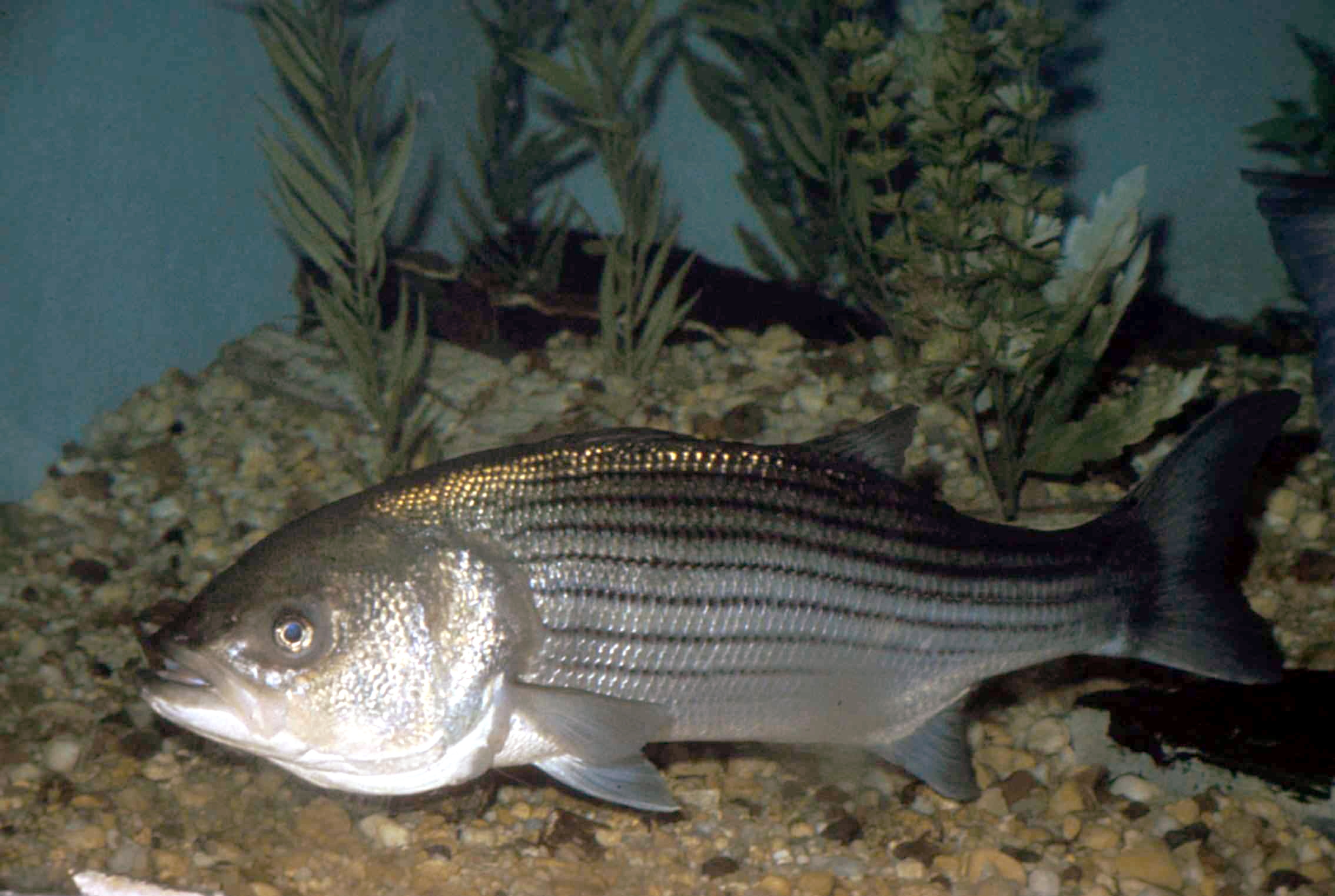
Cape Cod is in the thick of its striped bass season, and the fishing is excellent. The Canal is producing on the breaking tides, bass are spread along the beaches and in the bays, bluefish have crashed the bait schools, and the black sea bass and fluke seasons are giving the bottom crowd plenty to do. This is the best stretch of the Cape year.
What’s Hitting
Striped bass are the headline, from schoolies to quality fish, holding in the Canal, along the beaches, and in Cape Cod Bay and Buzzards Bay. Bluefish have arrived in force and are crashing bait. Black sea bass are stacked on the structure and reefs, and fluke (summer flounder) are on the sandy bottom. Squid and mackerel are around as bait, and the first bonito are not far off.
Where to Find Them
The Cape Cod Canal is the marquee striper spot on the breaking tides. Bass are also along the beaches, around the bays, and at the rips off Monomoy and the Elizabeth Islands. Black sea bass and fluke are on the structure and sandy bottom in the bays and sounds. Bluefish are wherever the bait is — watch for birds and surface blitzes along the beaches and in the bays.
Tides & Conditions
Canal fishing keys on the breaking tides, especially the dawn and dusk current changes — the legendary Canal bite happens when the current rips and pushes bait through. Bass and blues feed best on moving water and low light. Black sea bass and fluke bite the bottom on the tides. Water is warming through the 60s. The early morning and evening are prime. Know the Canal current tables cold this week — the breaking tide at dawn and dusk is the difference between a slow shift and a banner one.
Tackle & Tactics
In the Canal, big topwater pencil poppers and jigs worked on the breaking current are the classic approach. Along the beaches, live mackerel, eels, and plugs produce bass. For blues, metal and topwater draw violent strikes — use wire or heavy fluoro. Black sea bass and fluke want jigs and bait on the bottom. Match the bait the bass are keyed on.
Local Intel This Week
The Scusset Beach and Sandwich ramps reach the east end of the Cape Cod Canal, with Sesuit and Barnstable Harbors serving the bay side. Stripers are peaking in the Canal on the breaking tides, and bluefish are crashing bait along the beaches and rips. Confirm current Massachusetts striped bass rules — including the slot limit and circle-hook requirement — before keeping a fish.
This Week’s Tip
Fish the Canal on the breaking tide and be there for the change. The best bite comes when the current first starts to rip and pushes the bait — the bass stack up and feed hard for a window of an hour or two, then it can shut off as quickly as it started. Know your tide tables, be on the water before the break, and fish the moving water hard.
More Cape Cod Resources
Cape Cod Fishing Guide · Cape Cod Seasonal Calendar · All Cape Cod reports →
Also read: Cape Cod Fishing Report — Week of July 30, 2026: Canal Stripers, Fluke on the Bars
Reports updated every Thursday on fishing.digital.
Planning a trip to Cape Cod?
This report tells you what happened. ReelAI tells you what to do about it — a briefing for your date, your target species and how you're fishing, built from our reports plus live NOAA and USGS data.
Powered by ReelAI — fishing.digital's intelligence layer. Answers are generated from fishing.digital reports and public NOAA, NWS and USGS data, and may be incomplete or out of date. Regulations and marine safety information are summaries only; always confirm with the responsible authority before you fish.