
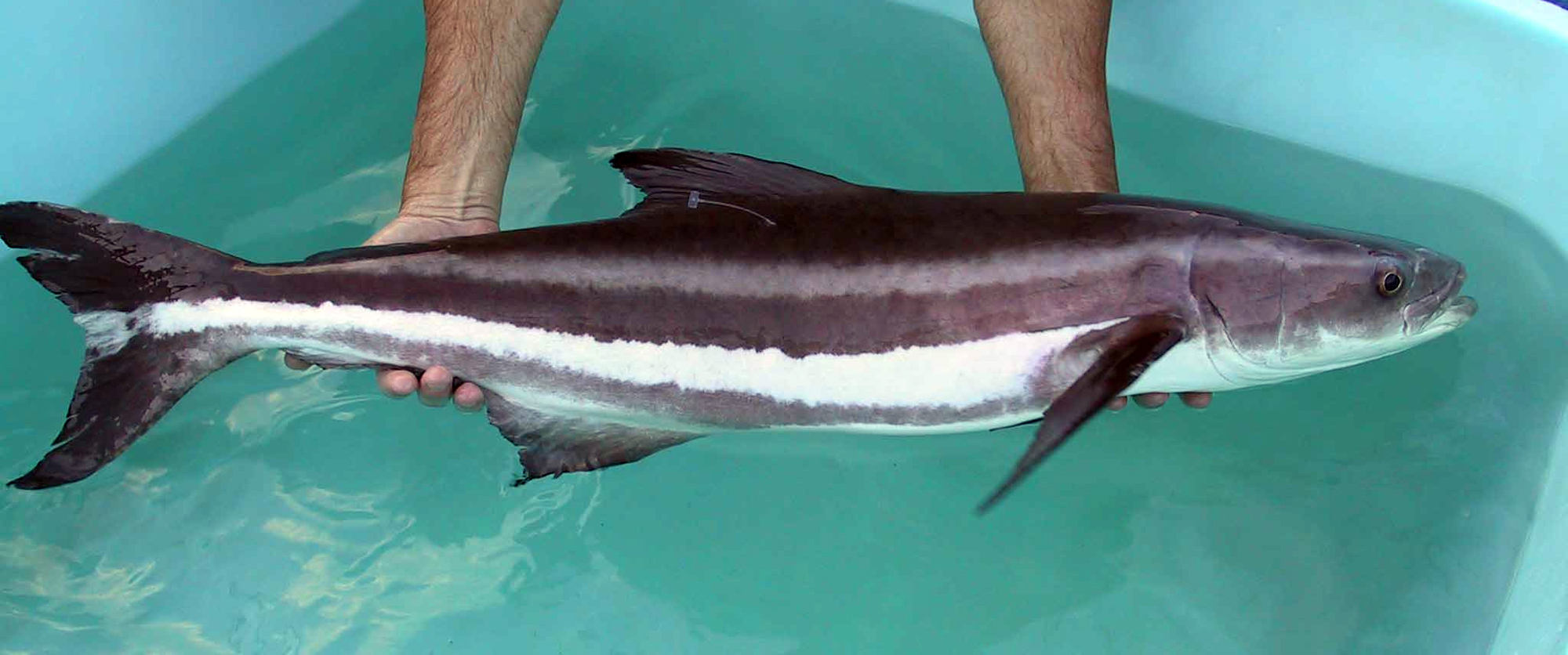
The Chesapeake is in its early-summer groove, with cobia building in the lower Bay, post-spawn striped bass feeding through the middle and lower Bay, and big red drum on the shoals. Speckled trout and croaker are filling in the inshore action, and Spanish mackerel are starting to show. The lower Bay is the place to be this week.
What’s Hitting
Cobia are building in the lower Bay and are the marquee sight-fishing target. Post-spawn striped bass (rockfish) are feeding through the Bay, and big red drum are schooling on the shoals and around the mouth. Speckled trout are on the grass and around structure, croaker are in the channels, and Spanish mackerel are starting to arrive. Flounder are around the inlets and structure.
Where to Find Them
Sight-cast and chum for cobia in the lower Bay around the buoys, shoals, and the CBBT. Big red drum school on the shoals near the Bay mouth and around the islands. Stripers are feeding around structure, channel edges, and the CBBT pilings. Speckled trout are on the grass flats and around the marsh, and croaker are in the channels. Flounder hold the inlets and the tunnel structure.
Tides & Conditions
Cobia fishing keys on clean water and good light for sight-casting, with the chum bite producing on anchor. Red drum school on the shoals best on moving tides. Stripers feed the tides around structure. Speckled trout bite the grass on moving water. Water is warming through the 70s. Summer afternoon storms can build, so fish the mornings when the sight-fishing is best. The lower Bay shoals fish best on a moving tide with clean water, the same window that turns on the cobia sight-fishing and the big-red schools.
Tackle & Tactics
For cobia, sight-cast bucktails and live eels or chum and bait on anchor over the shoals. Big reds eat cut bait on fish-finder rigs on the shoals — use circle hooks and release these old fish carefully. Stripers want jigs, live bait, and trolled offerings around structure. Speckled trout take soft plastics and popping corks on the grass.
Local Intel This Week
Sandy Point State Park near the Bay Bridge and the Kent Narrows ramps reach the mid-bay, while Kiptopeke serves the lower bay and the cobia grounds near the Bay Bridge-Tunnel. Cobia are building in the lower bay, and post-spawn stripers are feeding through the channels. Confirm current Maryland and Virginia striped bass and cobia regulations before keeping fish.
This Week’s Tip
Those big red drum on the shoals are trophy fish — many over 40 inches and decades old. Fish them on circle hooks, keep the fight short with heavy enough tackle, and revive each fish thoroughly before release. They school predictably on the lower-Bay shoals on the moving tide, so once you find a school, you can have a memorable afternoon of catch-and-release on giants.
More Chesapeake Bay Resources
Chesapeake Bay Fishing Guide · Chesapeake Bay Seasonal Calendar · All Chesapeake Bay reports →
Also read: Chesapeake Bay Fishing Report — Week of July 30, 2026: Cobia Sight-Casting, Speckled Trout
Reports updated every Thursday on fishing.digital.
Planning a trip to Chesapeake Bay?
This report tells you what happened. ReelAI tells you what to do about it — a briefing for your date, your target species and how you're fishing, built from our reports plus live NOAA and USGS data.
Powered by ReelAI — fishing.digital's intelligence layer. Answers are generated from fishing.digital reports and public NOAA, NWS and USGS data, and may be incomplete or out of date. Regulations and marine safety information are summaries only; always confirm with the responsible authority before you fish.