
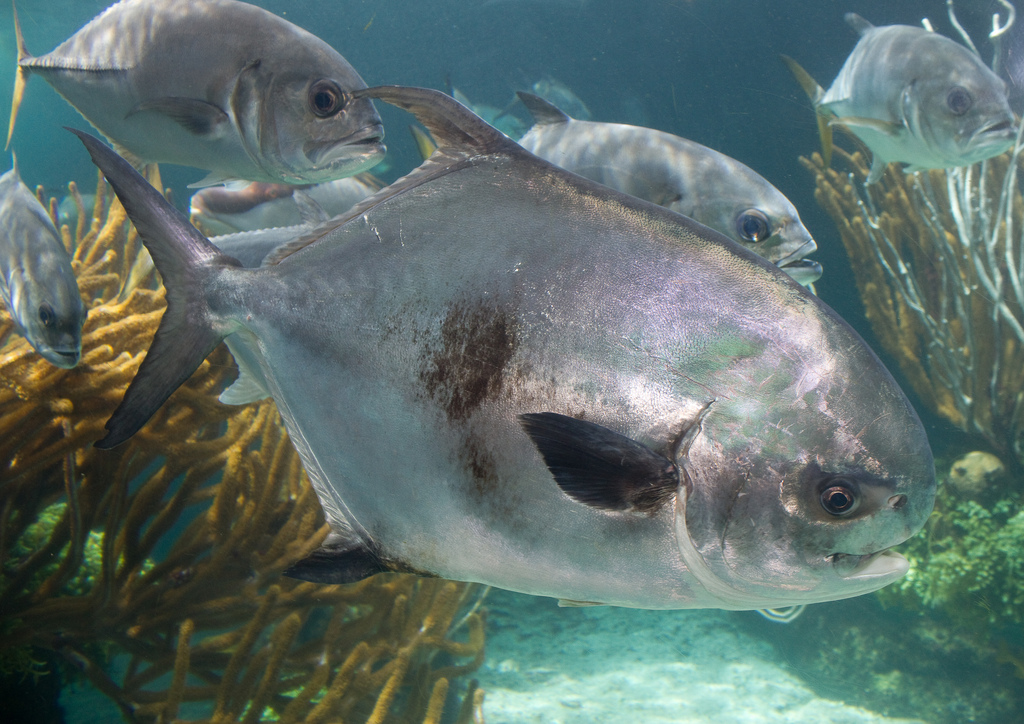
The Keys are deep into their summer pattern. The big tarpon migration is winding down, but permit are tailing the oceanside flats, mangrove snapper are stacking on the patch reefs, and the dolphin bite offshore is keeping bent rods on the boats.
What’s Hitting
Permit are the standout on the flats right now, tailing on the higher stages of tide. Mangrove snapper have piled onto the patch reefs and around the bridges as the summer spawn ramps up. Yellowtail are chewing on the reef edge, and a run to the humps is producing blackfin tuna and the occasional dolphin.
Where to Find Them
Look for permit on oceanside flats and channel edges from Islamorada through Marathon. Patch reefs in 10 to 30 feet are loaded with snapper. The reef line and its deeper edge hold yellowtail, and the Marathon and Islamorada humps are the bluewater play. The bridges from Channel Five through Bahia Honda hold tarpon at night and snapper around the clock, giving a solid backup when the wind kills the flats.
Tides & Conditions
Water is warm and clear with light summer winds. Early morning and the tide changes are prime before the sea breeze and afternoon storms build. Clear water means spooky flats fish, so an early start pays off. Watch the radar — Keys thunderstorms develop fast in the afternoon.
Tackle & Tactics
Sight-fish permit with live crabs on a 1/0 to 2/0 circle hook and a long fluorocarbon leader. For snapper, anchor up-current and chum, fishing live shrimp or cut bait on light leader. Yellowtail want a steady chum slick and a long flat-line drift. Knocker rigs shine around the bridges. A 12-weight fly outfit or a stout spinning rod with a 40- to 60-pound bite tippet covers permit and any stray tarpon; for snapper, a 15- to 20-pound spinning setup with a knocker rig is plenty.
Local Intel This Week
Launch from Founders Park (Islamorada) or the public ramps at Marathon for quick flats and patch-reef access. Fish are concentrating on the patch reefs and oceanside channel edges. Several Keys species, including some grouper and snapper, have specific seasons and slot limits — check current FWC regulations before keeping fish. Spend the windy afternoons on the patch reefs and bridges where you’re protected, and save the flats for the calm, clear mornings when permit are visible.
This Week’s Tip
On clear, calm flats, lengthen your leader and downsize your weight. Permit in skinny water will refuse a crab that lands with a splash — lead the fish and let the crab sink naturally into its path.
More Florida Keys Resources
Florida Keys Fishing Guide · Florida Keys Seasonal Calendar · All Florida Keys reports →
Also read: Florida Keys Fishing Report — Week of July 30, 2026: Permit on the Wrecks, Mutton Snapper
Reports updated every Thursday on fishing.digital.
Planning a trip to Florida Keys?
This report tells you what happened. ReelAI tells you what to do about it — a briefing for your date, your target species and how you're fishing, built from our reports plus live NOAA and USGS data.
Powered by ReelAI — fishing.digital's intelligence layer. Answers are generated from fishing.digital reports and public NOAA, NWS and USGS data, and may be incomplete or out of date. Regulations and marine safety information are summaries only; always confirm with the responsible authority before you fish.