
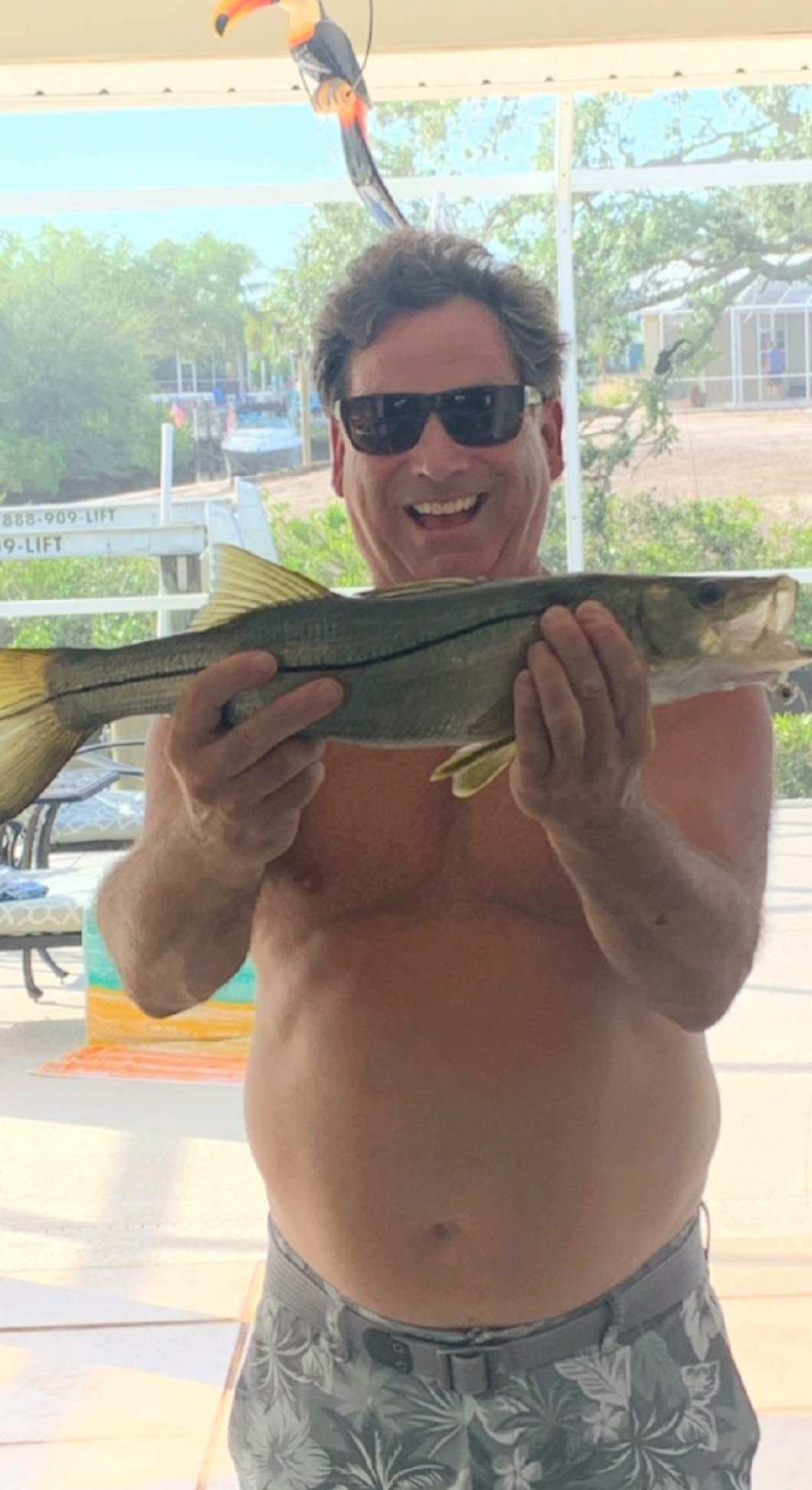
Summer is in full swing off Fort Lauderdale, and the first week of June is giving anglers options from the beach to the blue water. Mahi are pushing through on the Gulf Stream, tarpon are crowding Port Everglades, and the reef bite has settled into a dependable warm-water rhythm. Here is what to expect on the water this week.
What’s Hitting
Dolphin (mahi) are the offshore headline. Scattered schoolies and the occasional gaffer are riding the current edges and weed lines, with a few sailfish and blackfin tuna mixed in. Closer to the beach, tarpon have stacked up around Port Everglades and along the surf line, ranging from 60-pound fish to true 150-pound migrators. On the reef, mutton and mangrove snapper, along with kingfish, are keeping rods bent. Remember snook are catch-and-release through the summer closure on the Atlantic coast.
Where to Find Them
Run the Gulf Stream edge in 150–300 feet and hunt weed lines, frigate birds, and color changes for mahi. The first and second reef lines off the beach are holding snapper and king mackerel. For tarpon, work the Port Everglades inlet on a moving tide and the beach troughs at first light. Night anglers are finding tarpon under the dock lights and around the bridges of the Intracoastal.
Tides & Conditions
The most productive windows are the outgoing tide at the inlet and the first hours of daylight before the afternoon sea breeze and thunderstorms build. Water temps are now in the low-to-mid 80s. Plan an early start and watch the daily storm pattern that is now firing by mid-afternoon.
Tackle & Tactics
Offshore, pitch live pilchards or troll small ballyhoo and skirted baits along the weed line. For reef snapper, drop live shrimp or cut bait on a knocker rig with 30-pound fluoro. Tarpon anglers should fish live crabs or mullet on 5/0–7/0 circle hooks with 50–60 pound leader around the inlet and bridges. Scale down and fish light at night for the dock-light fish.
Spots & Access This Week
The George English Park ramp on the Middle River covers Port Everglades and the Intracoastal, and the Deerfield Island Park ramp is the closest launch to Hillsboro Inlet. Shore anglers have been catching tarpon and snook from the Port Everglades jetties and the Dania Beach Pier area at night, and the Pompano Beach Pier has had kings and Spanish.
Tarpon are concentrating at the inlets on the outgoing tide and around the Intracoastal bridges after dark, and the mahi are on the weedlines and current edges in 300 to 800 feet.
Local Intel & Tactics
Snook are closed to harvest on the Atlantic coast during June and tarpon are a release fishery, so check current FWC regulations before keeping anything from the inlets. Mahi have a federal size and bag limit that applies offshore. For the inlet tarpon, the fish stage on the down-current side of the jetty rocks on the outgoing tide, and a live mullet or a big shrimp drifted back into the eddy behind the rocks is the most reliable presentation. Use 60 to 80-pound fluorocarbon and a 6/0 circle hook. Offshore for the mahi, run the weedlines and the color changes in 300 to 800 feet, troll ballyhoo until you hook a fish, then keep it in the water and pitch chunks to the school that follows it up.
This Week’s Tip
Don’t run past the bait. Before heading offshore, load the livewell with pilchards on the first reef using a sabiki or a small cast net over the patch reefs. Fresh, lively bait is the single biggest difference between a slow mahi day and a cooler full of fillets this time of year.
More Fort Lauderdale Resources
Fort Lauderdale Fishing Guide · Fort Lauderdale Seasonal Calendar · All Fort Lauderdale reports →
Also read: Fort Lauderdale Fishing Report — Week of July 30, 2026: Weedline Mahi, Reef Snapper
Reports updated every Thursday on fishing.digital.
Planning a trip to Fort Lauderdale?
This report tells you what happened. ReelAI tells you what to do about it — a briefing for your date, your target species and how you're fishing, built from our reports plus live NOAA and USGS data.
Powered by ReelAI — fishing.digital's intelligence layer. Answers are generated from fishing.digital reports and public NOAA, NWS and USGS data, and may be incomplete or out of date. Regulations and marine safety information are summaries only; always confirm with the responsible authority before you fish.