
Updated: Thursday, October 15, 2026 · Next update: Thursday, October 22, 2026
This Fort Lauderdale fishing report covers mid-October, when mahi lead the offshore lineup along the weed lines and floating debris and the first fall sailfish start to show on the edge of the Gulf Stream. Blackfin tuna work the outside edge, kingfish and bonito the reefs, and inshore the snook sit at the inlets while the mullet are on the move. Plan around easing tides as the moon builds toward first quarter, the outgoing tide at the inlets, and calm mornings for covering water offshore.
What’s Hitting
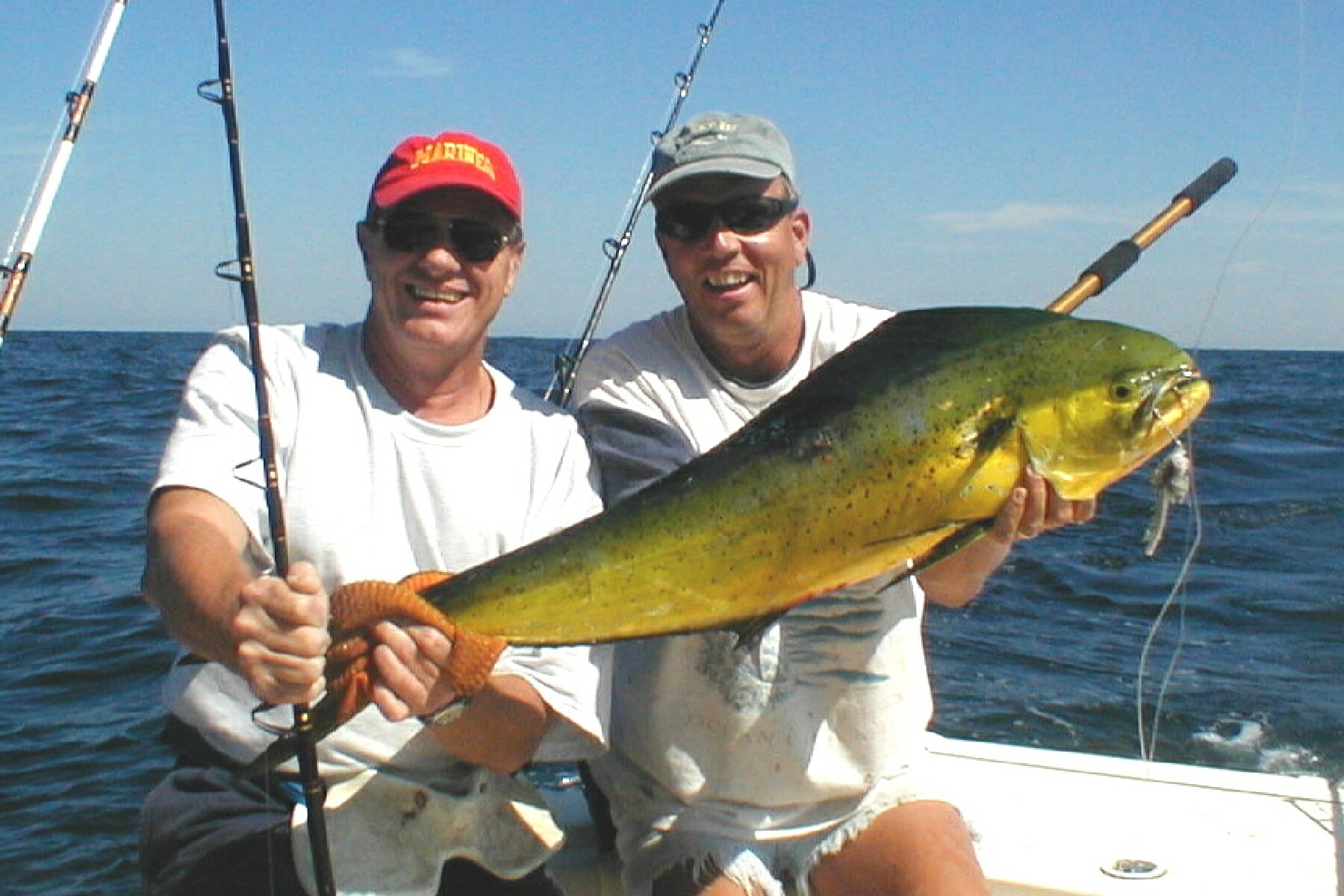
Mahi are along the weed lines and floating debris offshore, with blackfin tuna and a few early sailfish on the outside edge. Kingfish and bonito work the reefs, and yellowtail and mutton snapper are on the bottom.
Inshore, snook are at the inlets and bridges, tarpon are around the Port Everglades area, and jacks and ladyfish crash bait. Expect sailfish activity to build as the first fronts of the fall push cooler water and bait toward the coast, with the weed lines producing mahi and snook staying around the inlets through the end of the mullet run.
Where to Find Them
Troll the weed lines and color changes in 100 to 250 feet for mahi, and fish kites and live baits on the reef edges for sailfish as the season builds. Weed lines shelter small baitfish and mahi patrol underneath them, so a long, well-formed line of sargassum is worth trolling slowly along its full length.
Inside, work the inlet jetties and the Intracoastal bridge pilings at night for snook, and fish the reef edges for yellowtail and snapper.
Tides & Conditions
The tide is easing as the moon builds toward first quarter, so inlet currents are manageable. The outgoing tide at the inlets is the best window for snook, and calm mornings give the offshore fleet a chance to cover water. Wind against the Gulf Stream current can build steep seas quickly, so check the marine forecast as closely as the tide chart.
Tackle & Tactics
Bring a cast net, which is essential for catching the baitfish that drive both the offshore and inshore fishing.
- Sailfish: live pilchards and goggle-eyes under kites.
- Mahi: trolled ballyhoo.
- Snook: live shrimp, pilchards or a white jerkbait around lights and pilings.
- Inshore leader: 30 to 40 pound fluorocarbon.
When fishing kites, adjust the depth of your baits to the conditions: shallow in calm seas and a bit deeper when it gets rough. Inshore, a live pilchard on a light fluorocarbon leader fished under a dock light tempts snook.
Local Intel This Week
John U. Lloyd Beach State Park near Port Everglades Inlet gives shore access to the inlet for snook and the tarpon around Port Everglades. Hillsboro Inlet Park covers the north end, and the ramps along the Intracoastal Waterway are the launches for the bridge pilings and the run offshore.
Fish concentrate at the inlets, the reefs and the weed lines offshore. Check current FWC and federal regulations and seasons before keeping fish. Sailfish and snook rules deserve a close look.
This Week’s Tip
Take your time reading the water. The weed lines and temperature breaks tell you where the fish are, so look for color changes and floating debris before you put lines in the water. A few minutes of searching often saves hours of trolling empty ocean.
Planning a trip to Fort Lauderdale?
This report tells you what happened. ReelAI tells you what to do about it — a briefing for your date, your target species and how you're fishing, built from our reports plus live NOAA and USGS data.
Powered by ReelAI — fishing.digital's intelligence layer. Answers are generated from fishing.digital reports and public NOAA, NWS and USGS data, and may be incomplete or out of date. Regulations and marine safety information are summaries only; always confirm with the responsible authority before you fish.