
Updated: Thursday, October 15, 2026 · Next update: Thursday, October 22, 2026
This Great Lakes fishing report covers mid-October, the heart of the fall salmon season, when cooling water pulls fish toward the shorelines. Salmon running up the tributaries are the lead target, with walleye active on Lake Erie, yellow perch on the reefs and steelhead beginning to enter the rivers. The main conditions to plan around are wind and waves on the big lakes and flows on the rivers, so check the marine forecast and local gauges before every trip.
What’s Hitting
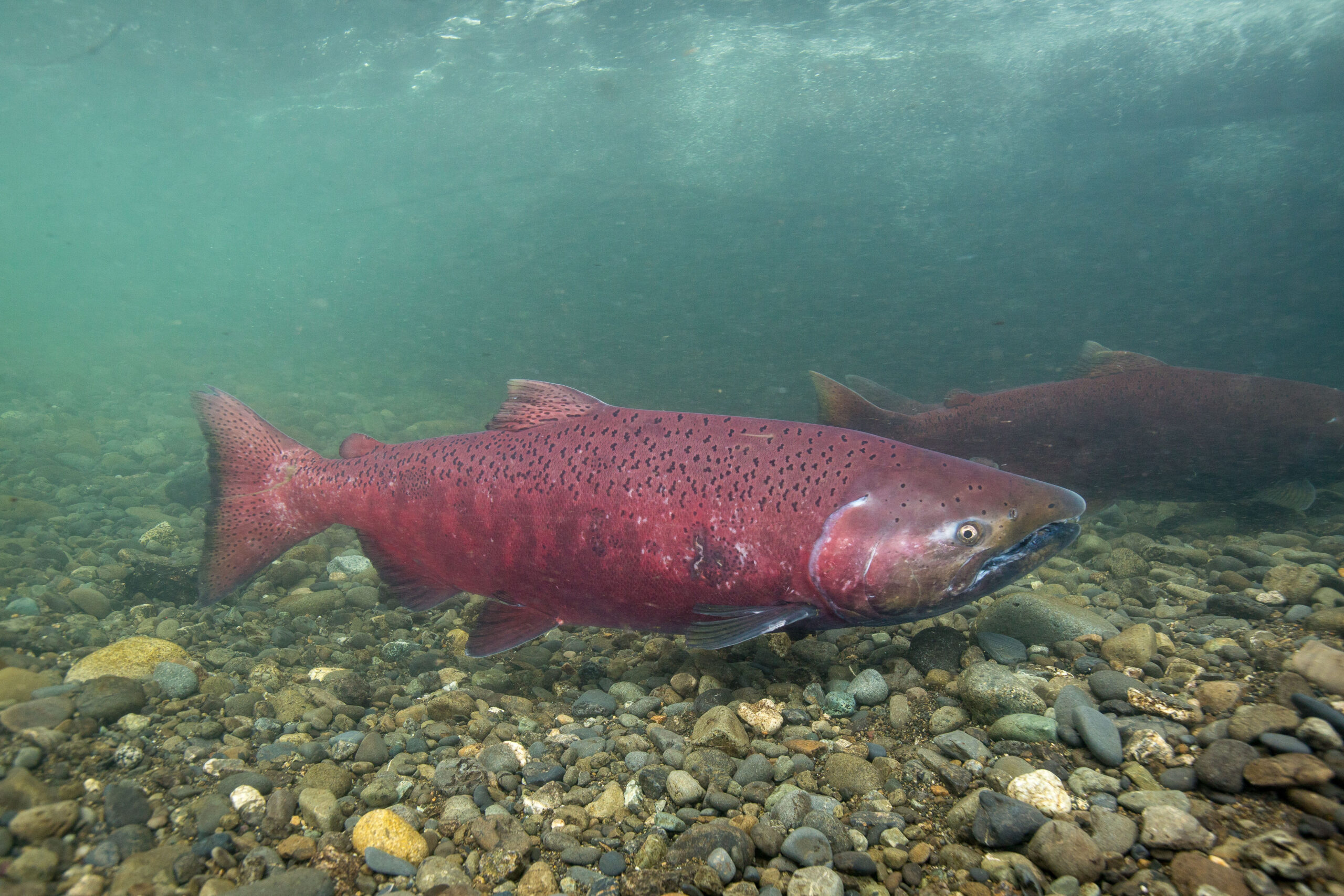
Salmon run up the tributaries, walleye are active on Lake Erie, yellow perch hold on the reefs, and smallmouth bass sit in deeper water. Steelhead are beginning to enter the rivers.
Expect the tributary runs to keep building and Lake Erie walleye to get more active as the water cools. Falling temperatures trigger much of the fall activity: salmon push upstream to spawn, while walleye and perch feed heavily ahead of winter.
Where to Find Them
Fish the tributary mouths and lower river runs for salmon, work Lake Erie reefs and rocky points for walleye, and drift the reefs for perch. Salmon often stage off river mouths before moving upstream, which is why the mouths and lower runs hold fish first.
The Great Lakes cover enormous territory, and conditions differ by lake and by port. On Lake Erie, the western basin near Port Clinton and Sandusky is the walleye hub, while the New York tributaries of Lake Ontario, such as the Salmon River near Pulaski, see the big salmon runs. Pick the lake that fits your target species, then match plans to local reports and forecasts.
Tides & Conditions
With the moon heading toward first quarter, tides ease, but on the big lakes wind and waves are the main factors. Check the marine forecast for your dates.
Water levels and temperatures vary a lot from port to port, so check local gauges and report sources before launching. On the rivers, flow matters as much as anything, since a rise in water often brings a fresh push of fish upstream.
Tackle & Tactics
- Salmon: spoons, plugs and cured eggs.
- Walleye: crawler harnesses or crankbaits.
- Medium-heavy gear covers both.
When trolling, vary speed and lure depth until the pattern shows itself. Walleye and salmon can hold at very specific depths, so change one variable at a time to make it easier to repeat what works. In the tributaries, be courteous and follow local rules on access, since popular runs get crowded at the peak of the season.
Local Intel This Week
Launches at Port Clinton and Sandusky put boats close to the western basin reefs for walleye and perch, and Sterling State Park offers another Lake Erie launch farther west. On Lake Ontario, Pulaski is the base for wading the Salmon River, and Oswego Harbor gives boaters access to the open lake and river mouths. Rules vary by state and lake. Check current state and federal regulations and seasons before keeping fish.
This Week’s Tip
Respect the lake. Fall weather on the Great Lakes turns quickly, so check conditions before every trip and have a plan to get off the water early. Big open water builds steep waves fast when the wind rises, and small boats should treat a deteriorating forecast as a reason to stay near port.
Planning a trip to Great Lakes?
This report tells you what happened. ReelAI tells you what to do about it — a briefing for your date, your target species and how you're fishing, built from our reports plus live NOAA and USGS data.
Powered by ReelAI — fishing.digital's intelligence layer. Answers are generated from fishing.digital reports and public NOAA, NWS and USGS data, and may be incomplete or out of date. Regulations and marine safety information are summaries only; always confirm with the responsible authority before you fish.