
Updated: Thursday, July 30, 2026 · Next update: Thursday, August 6, 2026
This Sarasota fishing report covers late July, the middle of the area’s hottest stretch, when the fishing splits into two clean patterns. Gag grouper lead a solid offshore bottom bite on the ledges for anglers who run out at first light, and snook anchor an early inshore bite on the beaches and in the passes. The condition to plan around is the daily weather cycle: a flat Gulf at daylight, a sea breeze around 11 a.m. and storms in early afternoon.
What’s Hitting
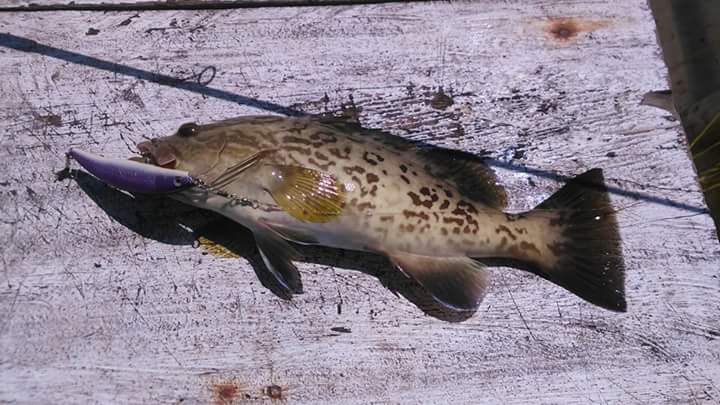
Gag grouper are the offshore headline, coming off hard bottom and ledges in 60 to 100 feet. Mangrove snapper are everywhere: nearshore reefs, passes and dock structure.
Inshore, snook are the most reliable target, holding on the beaches and in Big Pass and New Pass, catch-and-release only through August. Speckled trout sit on the deeper grass early, and Spanish mackerel and small kingfish work bait schools just off the beach.
Where to Find Them
Grouper sit on the ledges and artificial reefs 15 to 25 miles out, relating tight to structure and feeding best in the first two hours of light. Snook cruise the first trough along Lido and Siesta beaches and stack in Big Pass on the outgoing.
Snapper are on the nearshore reefs in 30 to 50 feet and on every deep residential dock in Sarasota Bay. Trout work the 5- to 7-foot grass edges near Stephens Point and the Intracoastal channel edges. Fish concentrate in the two main passes and on nearshore structure, not the open flats, so the shore and small-boat game is productive.
Tides & Conditions
Strong post-full-moon tides run through midweek, easing by Saturday. Water temperatures run 87 to 89 inshore and in the low 80s offshore. That leaves a clean four-hour offshore window if you leave the dock at first light and head back by noon.
Tackle & Tactics
Offshore, run to the ledges in 70 to 90 feet, fish hard for grouper and snapper, and start back before the radar fills in. Inshore, invert that: fish the grass edges in the first ninety minutes of daylight with a topwater or popping cork, then move to the passes as the sun climbs and the tide falls. Forcing the flats bite at ten in the morning in August is the most common mistake.
- Grouper: a knocker or fish-finder rig with 60-pound leader and a live pinfish or large threadfin, on heavy spinning or conventional gear with 50-pound braid to keep them out of the rocks.
- Snapper: 20-pound fluorocarbon, a small hook and live shrimp.
- Beach snook: a 1/4-ounce white jig or a live pilchard on 30-pound leader. Long casts and quiet feet matter.
- Mackerel: a silver spoon or long-shank jig retrieved fast.
Local Intel This Week
Ken Thompson Park on City Island is the launch closest to New Pass and the nearshore reefs. Turtle Beach on the south end of Siesta Key gives quick access to Midnight Pass and the Little Sarasota Bay grass, the Blackburn Point ramp in Osprey is another main launch, and the Centennial Park ramp downtown serves the northern bay and the Palma Sola shoreline. Shore anglers can work the New Pass bridge and the Siesta Key jetty stretch.
Gag grouper and snook both carry season and size rules that change by zone. Check current FWC and federal regulations and seasons before keeping fish.
This Week’s Tip
When the sea breeze kills your offshore bite, do not run home. Swing in to the 30-foot nearshore reefs on the way back; snapper and mackerel feed right through the wind chop that shuts down the deeper ledges.
Planning a trip to Sarasota?
This report tells you what happened. ReelAI tells you what to do about it — a briefing for your date, your target species and how you're fishing, built from our reports plus live NOAA and USGS data.
Powered by ReelAI — fishing.digital's intelligence layer. Answers are generated from fishing.digital reports and public NOAA, NWS and USGS data, and may be incomplete or out of date. Regulations and marine safety information are summaries only; always confirm with the responsible authority before you fish.