Updated: Thursday, July 30, 2026 · Next update: Thursday, August 6, 2026
This Fort Lauderdale fishing report covers late July, when South Florida runs its classic summer offshore program: leave early, run out to the color change, and be back before the afternoon builds. Mahi on the weedlines are the lead target, and with the Gulf Stream in tight, the run is short enough to keep them within reach of smaller boats. Mutton and mangrove snapper fill in on the reef lines off the full moon. Plan around daily afternoon storms that close the offshore window around noon.
What’s Hitting
Mahi are the target of the week, scattered along the weedlines and under frigate birds from 200 feet out. Expect mostly schoolies in the 8- to 15-pound range with a few gaffers mixed in. Blackfin tuna work the humps and the deep bait in the early morning.
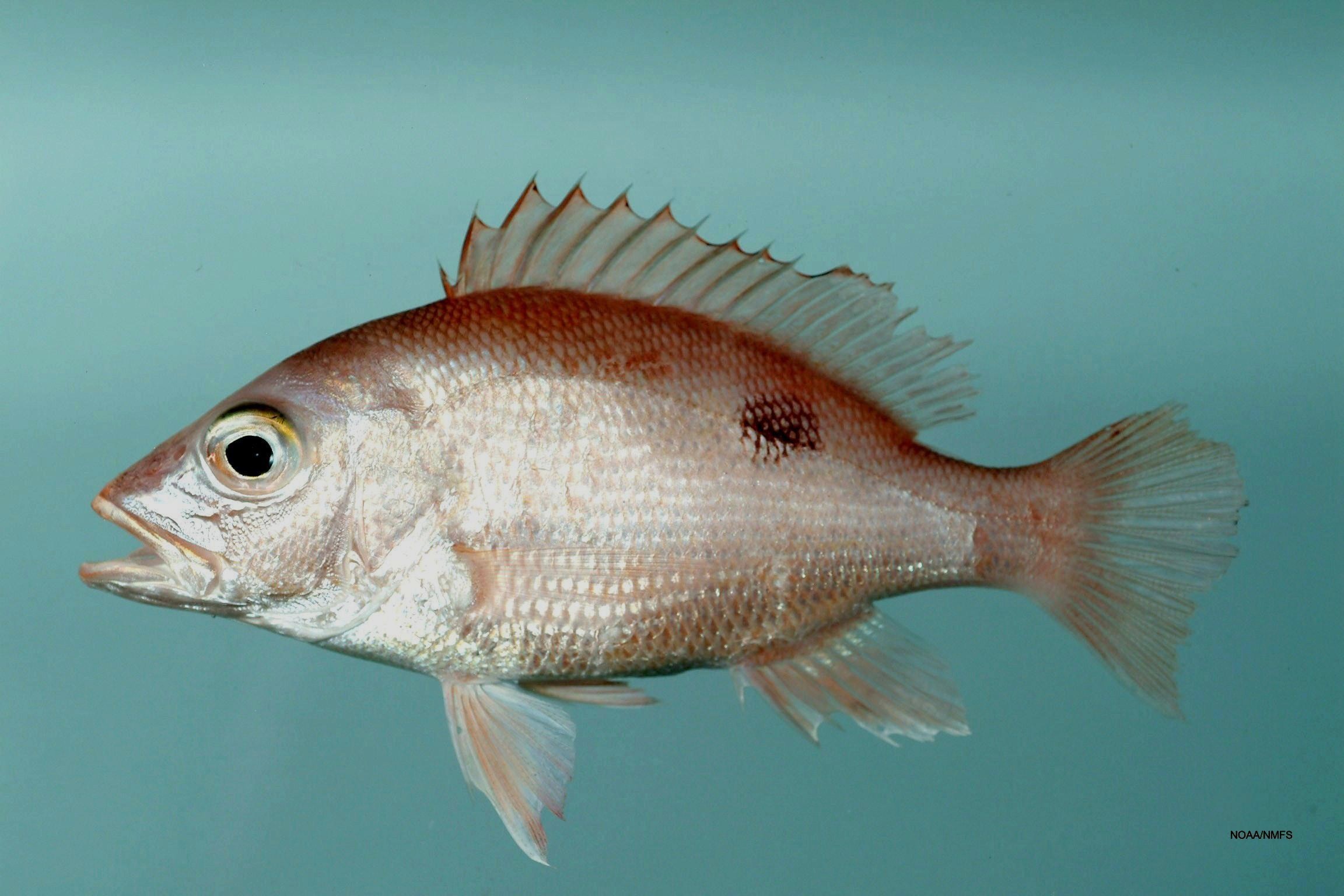
On the reef, mutton snapper stay active off the full moon, and mangrove snapper stack on the second and third reef lines. Kingfish are around in modest numbers, and sailfish are a bycatch this time of year rather than a target.
Where to Find Them
Run to the color change and work any weedline or debris you can find. A north-setting current can push weed inside 400 feet on some days. Floating weed and debris shade small baitfish, which in turn draw mahi, so even a single board or patch is worth a look.
Blackfin sit on the deeper humps and off Port Everglades in the pre-dawn dark. Muttons work the reef edges in 70 to 110 feet at first light. Snapper hold on the second reef in 40 to 60 feet and around the artificial reef structures. Tarpon are still available at night in the Intracoastal near the bridges.
Tides & Conditions
Post-full-moon tides run strong through midweek, and strong moon tides tend to spark reef fish feeding, which helps the mutton pattern. Expect seas of 2 to 3 feet with a light east wind, laying down early. Surface water sits near 86, with the low 80s down deep.
Afternoon storms come daily, and the offshore window closes around noon most days, so clear the inlet at first light.
Tackle & Tactics
- Mahi: keep a spinning rod rigged with a bucktail and a bare hook for pitching live pilchards or ballyhoo. A hooked schoolie kept in the water keeps the whole pack at the boat.
- Blackfin: a small live bait or a vertical jig on 30-pound fluorocarbon.
- Muttons: a long 40-pound fluorocarbon leader and a whole ballyhoo on the bottom. The long leader lets the bait drift naturally away from the weight.
- Reef snapper: a light knocker rig with 20-pound fluorocarbon and cut bait in a chum slick.
Local Intel This Week
The 15th Street Boat Ramp, Cove Marina in Deerfield and the Dania Beach ramp are the reliable public launches for offshore access. The 15th Street ramp puts you close to Port Everglades for the pre-dawn blackfin run, Cove Marina covers the north end of the county, and the Dania Beach ramp serves the southern reefs. Focus on the weedlines and reef edges rather than the shallow inside water.
Snapper, grouper and pelagics all carry different seasons and limits under both state and NOAA federal rules. Check current FWC and federal regulations and seasons before keeping fish.
This Week’s Tip
When you hook a school mahi, do not boat it immediately. Leave it in the water alongside and have a second angler pitch to the fish that follow; you can often take four or five off a single hooked fish before the school scatters.
Planning a trip to Fort Lauderdale?
This report tells you what happened. ReelAI tells you what to do about it — a briefing for your date, your target species and how you're fishing, built from our reports plus live NOAA and USGS data.
Powered by ReelAI — fishing.digital's intelligence layer. Answers are generated from fishing.digital reports and public NOAA, NWS and USGS data, and may be incomplete or out of date. Regulations and marine safety information are summaries only; always confirm with the responsible authority before you fish.