Panama City Beach sits at the heart of the Emerald Coast — crystal-clear Gulf water, sugar-white beaches, and some of the most productive artificial reef systems in the northern Gulf of Mexico. The St. Andrews Bay complex provides excellent inshore fishing for redfish and seatrout, while the offshore reefs — natural limestone and hundreds of deployed artificial reefs including the USNS Gen. Hoyt S. Vandenberg (before its designation as an artificial reef) — hold exceptional concentrations of red snapper, gag grouper, and amberjack.
Top Species
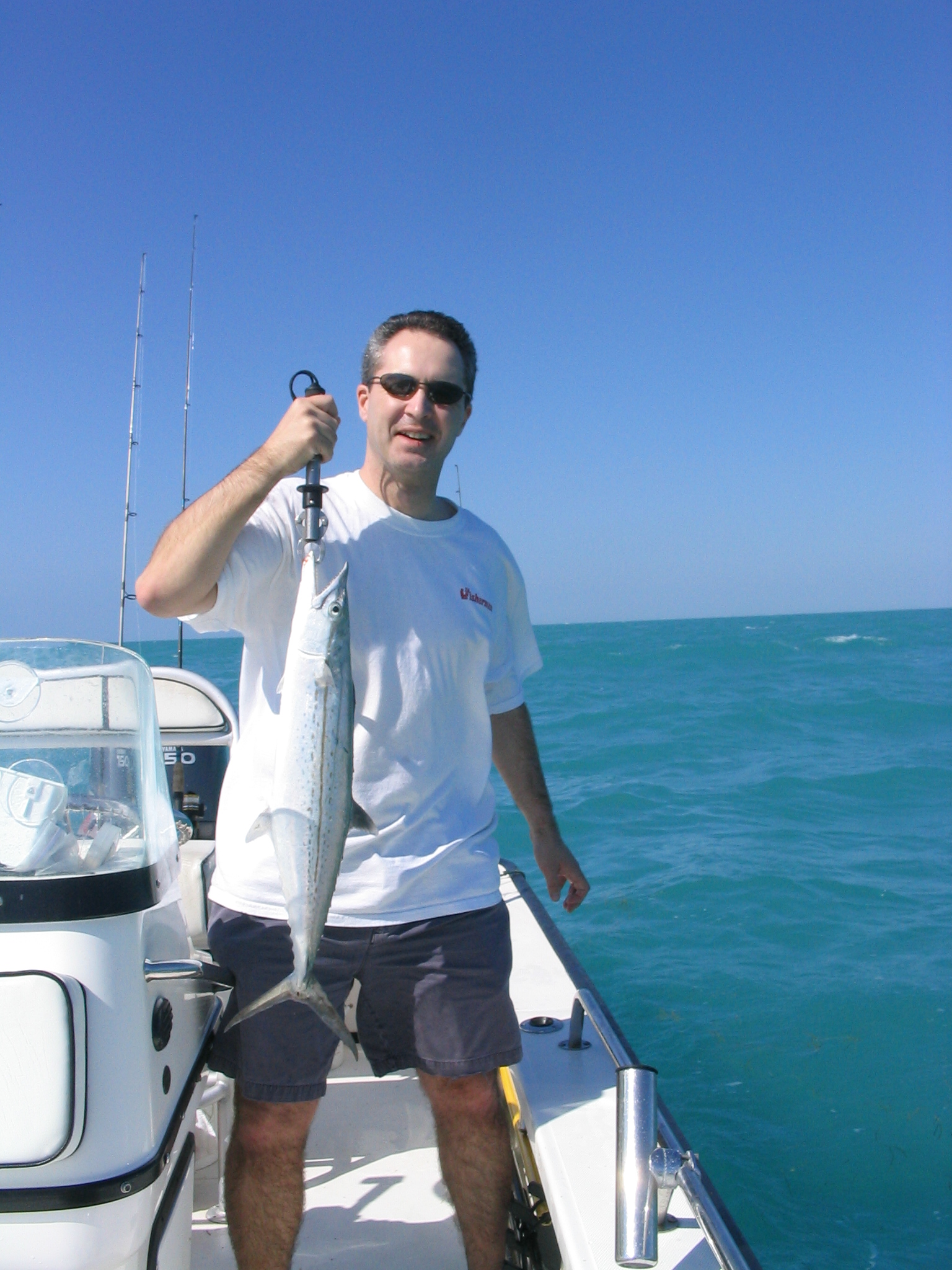
Inshore/Bay: Redfish in St. Andrews Bay and the associated bayous; spotted seatrout; flounder in the fall; sheepshead; Spanish mackerel at the jetties.
Nearshore/Offshore: Red snapper (excellent on the extensive artificial reef system), gag grouper, amberjack, cobia (spring), king mackerel, mahi offshore, and wahoo on the deep color lines in fall.
Top Fishing Spots
- St. Andrews State Park Jetties: The jetties at the entrance to St. Andrews Bay produce excellent sheepshead, flounder, and cobia in spring. The rocks hold fish year-round.
- St. Andrews Bay Grass Flats: Extensive shallow flats in the upper bay produce excellent redfish and seatrout sight-fishing.
- Panama City Beach Pier: Accessible reef fishing from shore — Spanish mackerel, king mackerel, and cobia visible from the pier in season.
- The Artificial Reef Network: Panama City has the most extensive artificial reef program on the Gulf Coast — hundreds of deployed structures from inshore to 100 miles offshore hold exceptional snapper and grouper populations.
Seasonal Calendar
Spring (March–May): Peak cobia season. Spanish mackerel arrive. Seatrout on grass flats.
Summer (June–August): Red snapper season opens June 1 — excellent action on the artificial reefs. Offshore mahi and amberjack. Inshore best at dawn.
Fall (September–November): Redfish and flounder inland. King mackerel nearshore. Wahoo building on the deep reefs.
Winter: Sheepshead excellent. State waters snapper open year-round. Best offshore weather windows often occur in winter.
Planning a trip?
This report tells you what happened. ReelAI tells you what to do about it — a briefing for your date, your target species and how you're fishing, built from our reports plus live NOAA and USGS data.
Powered by ReelAI — fishing.digital's intelligence layer. Answers are generated from fishing.digital reports and public NOAA, NWS and USGS data, and may be incomplete or out of date. Regulations and marine safety information are summaries only; always confirm with the responsible authority before you fish.