
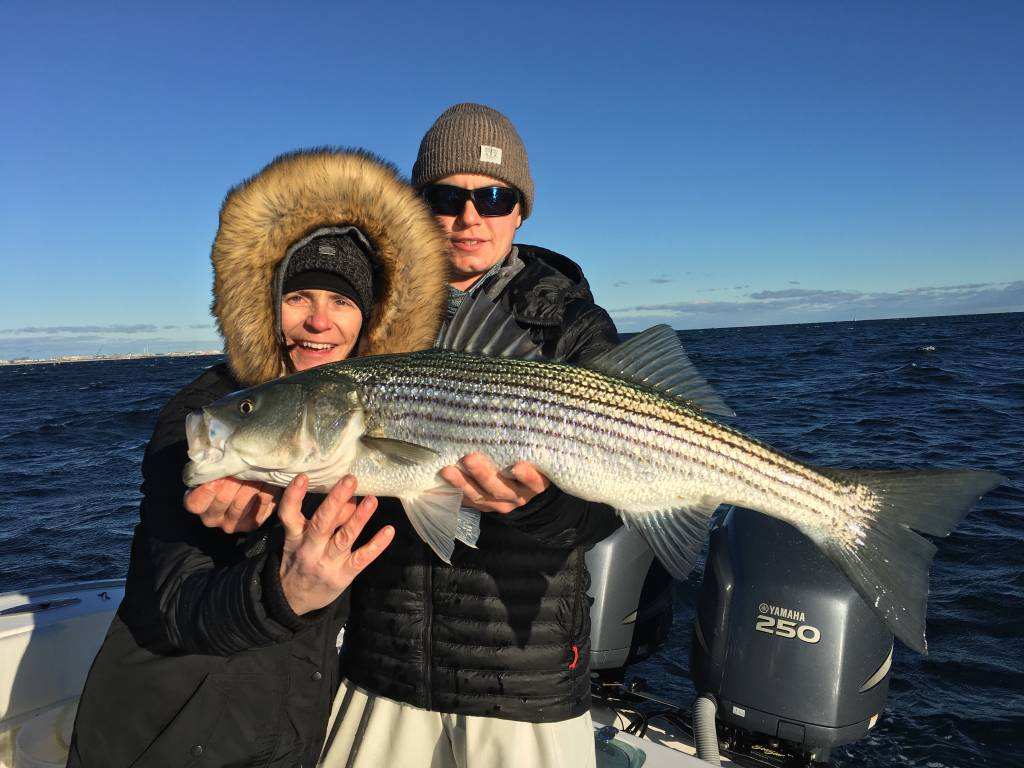
April transforms Stuart’s offshore fishery. The winter sailfish migration has wound down, and in its place arrives the spring mahi season — one of the most exciting fisheries on the Treasure Coast. Weedlines loaded with sargassum push north with the Gulf Stream, and beneath them school mahi-mahi averaging 10–25 pounds with the occasional bull pushing 40+. Inshore, tarpon begin entering the St. Lucie River and Indian River system in earnest, and snook are feeding aggressively ahead of their June spawn.
Tarpon — First of the Season
April tarpon fishing in Stuart centers on the St. Lucie River between the Roosevelt Bridge and the North Fork confluence, the St. Lucie Inlet jetty area on outgoing tides, and the flats south of the inlet toward Hobe Sound. Fish are averaging 60–110 pounds and moving in small schools of 4–12 fish. Live mullet on a 7/0–9/0 circle hook free-lined in the current at the inlet produces the most consistent hookups. Live crabs (blue crabs, pass crabs) are the secondary bait option and sometimes outperform mullet on fish that have been pressured.
Sight-fishing from a poled skiff on calm mornings produces the most thrilling April tarpon encounters. Fish rolling in the Indian River Lagoon north of Stuart respond to large streamer flies (Black Death, Tarpon Toad in tan/brown) and soft plastic eels worked slowly across their path. 12-weight fly rods with 80 lb class tippet handle these fish properly.
Snook — Pre-Spawn Feeding
April snook in Stuart are building weight ahead of the June spawn and feeding with far more aggression than their January counterparts. Dawn topwater fishing along the Manatee Pocket mangroves, under the Jensen Beach Causeway bridges, and along the seawall edges of the North Fork St. Lucie produces explosive topwater strikes on Heddon Super Spooks and MirrOlure Top Dog Jr. plugs in bone white or clear/silver. Switch to live pilchards under the bridges from 8am–noon for the most consistent bite throughout the day.
Cobia — Worth Watching For
Cobia begin following their characteristic hosts (large cownose rays and small sharks) through the Treasure Coast waters in April. Alert boat captains scanning the surface between the inlet and Bathtub Beach on calm days spot cobia cruising at the surface — a live eel or large Hogy paddle tail on a 1.5 oz jig head pitched ahead of a cruising fish produces immediate strikes. The bite window is often seconds-long; have a rod rigged and ready at all times offshore.
Offshore Fishing — April 2025
The mahi-mahi weedline bite is April’s offshore star. The Gulf Stream runs 10–15 miles east of the Stuart inlet in April, and the sargassum weedlines it carries hold birds, flying fish, and mahi beneath them. Troll small feathers and ballyhoo rigged with sea witches at 8 knots along the weedline edges; when the first mahi is hooked, stop the boat and pitch small jigs or live pilchards into the school — mahi are competitive feeders and the whole school follows the hooked fish. 20–30 lb spinning gear with 4–6 inch paddletails in chartreuse/white or pink handles most of the weedline school fish encountered in April.
Top Techniques — April
1. Free-lining live mullet for tarpon: Hook a 6–8 inch live mullet through the upper lip on a 8/0 circle hook, attach to 100 lb fluorocarbon leader and 40 lb braid, and free-line the mullet in the current seam at the St. Lucie Inlet on the outgoing tide. Keep the bail open and let the tarpon run with the bait for 5 seconds before engaging — the circle hook will find the corner of the jaw.
2. Weedline pitch fishing for mahi: After raising the first mahi on a trolled bait, cut the engines and pitch small soft plastics or live pilchards into the school while the hooked fish fights nearby. Keep the rest of the school engaged by chumming with chunks of ballyhoo or small pilchards. Work quickly — the school disperses in 10–20 minutes once the activity settles.
3. Dawn topwater for snook: The 45-minute window around sunrise produces the most aggressive topwater snook strikes of the day in April. Work a Super Spook Jr. or Top Dog along the shadow lines under bridges and alongside mangrove edges with a steady walk-the-dog retrieve. The splash of the lure simulates a frantic mullet and triggers reaction strikes from snook that are actively hunting the flats.
Insider Tips — April
The first norther after the full moon in April triggers the tarpon bite. Local guides who have fished Stuart for 20+ years note that the combination of a spring full moon tide followed by a moderate northeast wind consistently stacks tarpon at the St. Lucie Inlet. Arriving at the inlet on the first outgoing tide after these conditions is worth prioritizing above any other April fishing plan.
North of the weedline for bigger mahi. The largest bull mahi in April are often found at the northern edge of the primary weedline, where the cleanest blue water meets the weed mat. The school fish congregate under the weed — the bulls hold on the blue water side and feed on the same baitfish that attract the school. Work from blue water into the weed, not the other way around.
Looking Ahead to May
Check back every Thursday for the updated Stuart, Florida fishing report. See our complete Stuart, Florida Fishing Guide for year-round species guides, top spots, and local resources.
Planning a trip to Stuart?
This report tells you what happened. ReelAI tells you what to do about it — a briefing for your date, your target species and how you're fishing, built from our reports plus live NOAA and USGS data.
Powered by ReelAI — fishing.digital's intelligence layer. Answers are generated from fishing.digital reports and public NOAA, NWS and USGS data, and may be incomplete or out of date. Regulations and marine safety information are summaries only; always confirm with the responsible authority before you fish.