
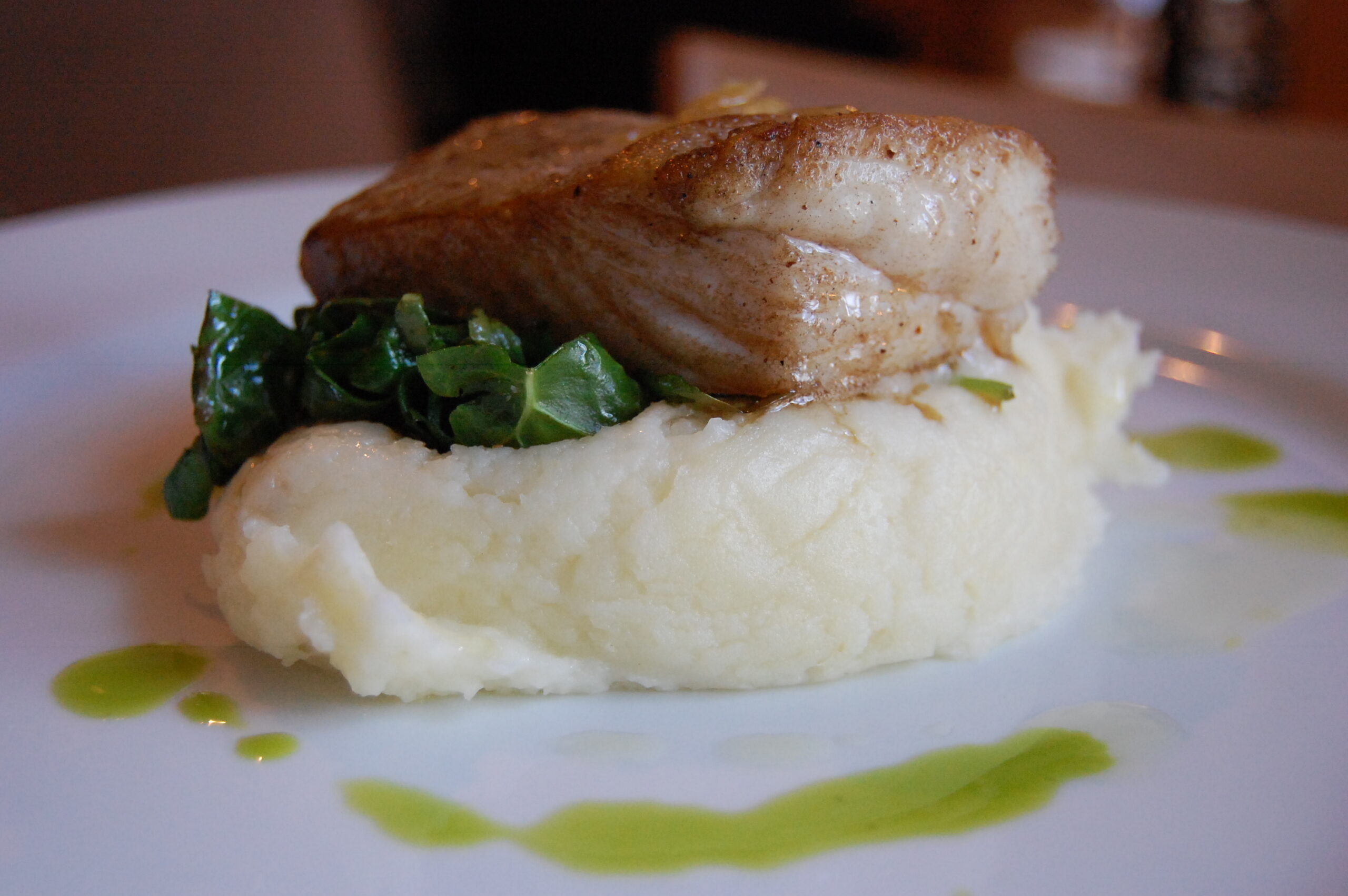
Pacific halibut are the largest flatfish in the world — a mature “barn door” halibut can exceed 300 pounds and 8 feet in length, though most sport-caught fish run 15–80 pounds. They feed hard on the bottom in cold Pacific waters from California to Alaska, and a halibut over 50 pounds is one of the most powerful fish a nearshore angler can encounter. Halibut fishing is accessible, productive, and delivers exceptional table fare — no fish in the Pacific is more universally regarded as a food fish.
Affiliate disclosure: fishing.digital earns a small commission on qualifying Amazon purchases — at no extra cost to you.
Where Halibut Are Found
Alaska holds the largest halibut in the world. Homer (Kachemak Bay), Seward, Kodiak, and Sitka are the premier ports. Homer is known as the halibut capital of the world — a short run from Homer Spit puts anglers over fish from May through September. Washington: The waters off Westport, Neah Bay, and La Push produce excellent halibut from April through October. Oregon: Newport, Brookings, and Astoria are primary ports. California: Halibut are found from the Mexican border north; the San Francisco Bay area and the Farallon Islands zone produce well in summer.
Halibut Fishing Techniques
Bait Fishing (Most Productive)
Halibut are opportunistic bottom feeders. Fresh octopus, herring, squid, and salmon heads/bellies are the most productive baits. Rig a circle hook in 8/0–16/0 on 80–100 lb monofilament leader, 3–6 feet long, attached to a sliding sinker rig with enough weight to hold bottom (typically 8–32 oz depending on depth and current). Lower the rig to bottom, reel up 12–18 inches, and hold. When a halibut takes, resist the urge to immediately set the hook — let the fish pick it up, feel resistance, and let the circle hook self-set as you come tight with a sweeping rod lift.
Jigging
Large metal jigs (4–16 oz) in white, pink, and chartreuse worked vertically near bottom trigger halibut that are less inclined to take bait. A swim shad-style jig worked with big sweeping lifts followed by controlled drops produces well on actively feeding fish. The advantage of jigging is direct bottom contact feedback and the ability to cover different depths quickly.
Circle Hook Presentation
In strong tidal current, use a knocker rig (sinker rides directly on the hook eye) to keep the bait flat on the bottom. On slack water, a standard 3-way swivel rig with a dropper loop and circle hook presents the bait more effectively.
Best Tackle for Halibut
- Rod: Heavy boat rod, 50–80 lb class, 5.5–7 ft
- Reel: Two-speed conventional, 60–80 lb braid main line
- Leader: 80–100 lb monofilament, 3–5 feet
- Hooks: Circle hooks 9/0–14/0 (Gamakatsu Octopus, Owner Mutu)
- Sinkers: 8–32 oz cannonball sinkers depending on depth
Browse halibut fishing rods on Amazon →
Alaska Halibut Regulations
Pacific halibut are managed by the International Pacific Halibut Commission (IPHC). Regulations — including daily bag limits, size restrictions, and season dates — change annually and vary by area. In Alaska, the standard sport bag limit is 2 halibut per day of any size. Always verify current regulations at iphc.int and your state fish and game agency before your trip.
Planning a trip to Saltwater Fishing?
This report tells you what happened. ReelAI tells you what to do about it — a briefing for your date, your target species and how you're fishing, built from our reports plus live NOAA and USGS data.
Powered by ReelAI — fishing.digital's intelligence layer. Answers are generated from fishing.digital reports and public NOAA, NWS and USGS data, and may be incomplete or out of date. Regulations and marine safety information are summaries only; always confirm with the responsible authority before you fish.