
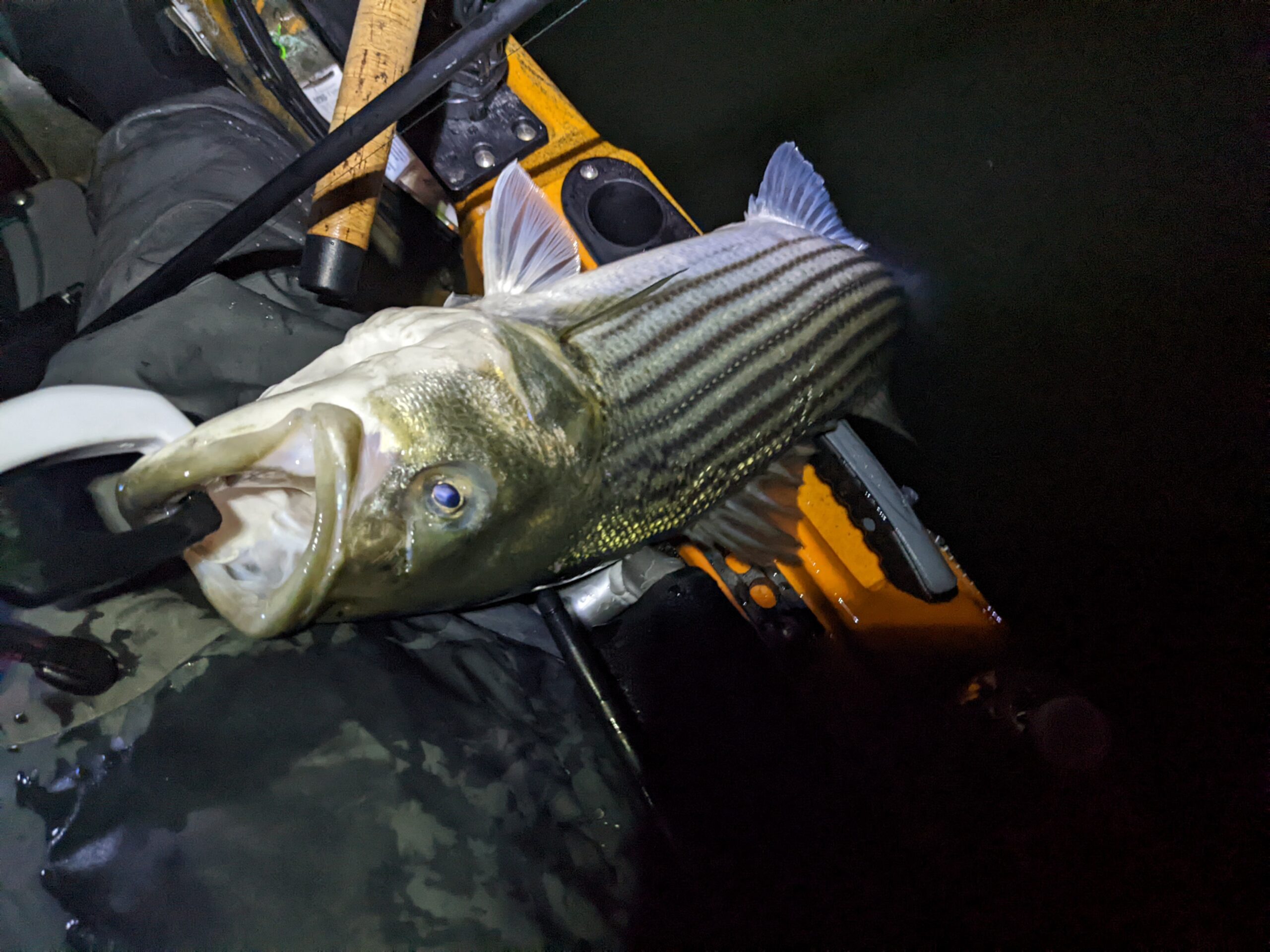
Kayak fishing has become the fastest-growing segment of recreational fishing in the United States, and for good reason: a kayak gets you into water a boat can’t reach, costs a fraction of even a small motorized vessel, requires no boat ramp or trailer, and delivers an intimate fishing experience that changes how you see every body of water you fish. Whether you’re stalking redfish on shallow Florida flats, paddling into a remote mountain trout stream, or launching through the surf for nearshore tuna, a kayak opens doors that simply don’t exist from the bank or a conventional boat.
Affiliate disclosure: fishing.digital earns a small commission on qualifying Amazon purchases at no extra cost to you.
Choosing Your First Fishing Kayak
The kayak market has exploded with options, and the differences between a great fishing kayak and a poor one are significant. Here’s how to cut through the noise:
Sit-On-Top vs. Sit-Inside
Sit-on-top kayaks are overwhelmingly preferred for fishing. You can stand to sight-fish, remount easily if you capsize, have better access to gear, and stay cooler in warm weather. The trade-off — you get wetter — is rarely relevant for fishing applications. Virtually every purpose-built fishing kayak is a sit-on-top design. Sit-inside kayaks make sense only for cold-water paddling where staying dry is a safety priority (Pacific Northwest, Alaska).
Pedal Drive vs. Paddle
This is the defining choice for serious kayak anglers.
- Paddle kayaks ($400–$1,200) — Lower cost, lighter weight, no mechanical parts to fail, easier to transport on a car roof. Best for anglers who fish in tight quarters (mangroves, streams) or want maximum portability.
- Pedal drive kayaks ($1,500–$4,000+) — Hands-free propulsion while you fish is a game-changer. Cover more water, hold position in current, approach fish without a paddle splash. The Hobie Mirage Drive system and Old Town Sportsman Autopilot (motorized) are the leaders. Worth every penny for serious inshore and offshore kayak fishing.
Top Fishing Kayak Recommendations
| Kayak | Type | Best For | Price Range |
|---|---|---|---|
| Hobie Mirage Pro Angler 14 | Pedal drive, stable platform | Inshore saltwater, large lakes | $3,500–$4,200 |
| Old Town Topwater 120 | Sit-on-top paddle | Best value fishing kayak overall | $900–$1,100 |
| Perception Pescador Pro 12 | Sit-on-top paddle | Budget-conscious anglers; versatile | $700–$900 |
| Vibe Shearwater 125 | Sit-on-top paddle | Inshore and light offshore; excellent stability | $1,000–$1,300 |
| Wilderness Systems ATAK 140 | Sit-on-top, stands easily | Sight-fishing, offshore proximity | $2,000–$2,400 |
Browse fishing kayaks on Amazon →
Essential Kayak Fishing Gear
Safety Equipment (Non-Negotiable)
- PFD (Personal Flotation Device): Wear it — every single trip. Not clipped to the kayak. On your body. An inflatable PFD belt pack is comfortable enough that there’s no excuse for not wearing one. Federal law requires a wearable PFD on board for every person.
- Whistle: Attach to your PFD. Required by Coast Guard regulations on all vessels including kayaks.
- Light for night fishing: A 360-degree white light visible from at least 2 miles is required after dark. White LED lights on a short pole work well.
- Float plan: Tell someone where you’re launching, where you’re going, and when you expect to return. Text it. This single habit has saved lives.
- Leash your paddle: A paddle floating away in wind or current is a serious situation. Coiled paddle leashes clip to your PFD and the paddle.
Kayak Fishing Electronics
Modern fishing kayaks can carry surprisingly capable electronics setups.
- Fish finder: The Garmin STRIKER Vivid 4cv or Garmin ECHOMAP UHD 43cv are the standard kayak fish finders — compact, bright displays, excellent sonar, and run on a small lithium battery. Mount on the bow or in the front tank well.
- Power: A 12V 10–20Ah lithium battery in a waterproof battery box powers fish finders and trolling motors comfortably for a full day. Lithium batteries are significantly lighter than SLA lead-acid alternatives.
- Anchor trolley: A line-and-pulley system that runs the full length of the kayak allowing you to adjust your anchor position from bow to stern without repositioning. Essential for fishing in current and surf.
Rigging Your Kayak
- Rod holders: At minimum 2–4 flush-mount rod holders. Most fishing kayaks include them; add Ram Mount swivel rod holders for adjustable positioning.
- Tackle storage: Plano 3600 trays in the front and rear tank wells. A crate system in the rear well (bungee cords holding a milk crate with rod holders and tackle trays) is a classic, simple setup.
- Crate/cooler: A soft cooler bag in the rear well keeps fish and drinks. Yeti Hopper or RTIC Soft Cooler fit most kayak tank wells.
- Anchor: A 1.5–3 lb folding grapnel anchor on 30 feet of 550 cord run through the anchor trolley is the standard kayak setup. Never anchor from the stern in moving water — always from the bow.
Kayak Fishing Techniques
Stealth — The Kayak’s Greatest Advantage
A kayak’s defining advantage over a motorized boat is near-silent approach. Redfish on shallow flats, trout in clear streams, bass in pressured lakes — fish that bolt from a trolling motor will hold as a kayak glides over them. Use this: approach slowly and stop 30–40 feet away from your target. Sight-fishing from a standing position on a stable kayak brings the same sight-fishing advantages a guide has from a poled skiff — for a fraction of the cost.
Drift Fishing
Use wind and current to drift over productive water while casting and working lures. This is the most efficient technique for covering grass flats, river channels, and open water without paddling. A drift sock (sea anchor) slows your drift rate in strong wind — essential for working a specific grass flat edge when the wind wants to push you off.
Anchoring and Holding Position
Anchor upstream of a target and fish downstream into the structure — fish face into current, and you want your presentation to come naturally from ahead of them. In tidal saltwater, anchor on a flat edge as the tide rises and let bait or lures wash down the edge into the target zone.
Best Kayak Fishing Destinations in the US
Inshore Saltwater
- Florida Keys Flats — The ultimate kayak fishing destination. Paddle to bonefish, permit, and tarpon flats inaccessible to motorized boats. Mosquito Lagoon is Florida’s top kayak redfish destination.
- Chesapeake Bay Eastern Shore — Shallow grass flats and marsh edges hold stripers, redfish (lower Bay), and flounder. Countless kayak launch points.
- Louisiana Marsh — The shallow marsh systems of coastal Louisiana hold bull redfish, speckled trout, and flounder. Kayak access in the backcountry is unmatched anywhere.
Freshwater
- Florida Natural Springs — Crystal-clear, 72°F year-round springs produce largemouth bass in stunning settings. Blue Spring, Ichetucknee, Rainbow River — paddle-in access only in many sections.
- Boundary Waters Canoe Area, MN — Remote walleye, northern pike, and lake trout fishing accessible only by non-motorized craft. Multi-day wilderness kayak fishing trips.
- Ozark Rivers, MO/AR — Float trips on the Current River, Jack’s Fork, and Buffalo River produce smallmouth bass in scenery that justifies the paddle regardless of the fishing.
Offshore Kayak Fishing
Yes — offshore from a kayak. Dedicated offshore kayak anglers regularly catch mahi, tuna, and wahoo from specialized offshore kayaks launched through the surf or from protected harbors. The Wilmington, NC and South Florida offshore kayak fisheries are the most active in the US. This is expert-level kayak fishing requiring specific kayaks (high volume, ruddered), offshore safety equipment (PLB, VHF radio, flares), and detailed weather monitoring. Not for beginners.
Kayak Fishing Safety Rules
- Wear your PFD. Always. Every trip.
- Never paddle in conditions beyond your skill level. Whitecaps, strong offshore wind, and heavy surf are not beginner conditions.
- File a float plan. Text someone your launch location, intended area, and return time.
- Carry a VHF radio or satellite communicator for any offshore or remote freshwater trip.
- Know self-rescue. Practice kayak re-entry in shallow water before you need it in deep water.
- Check the weather. Wind is the kayak fisherman’s most significant hazard. Afternoon thunderstorms, onshore wind shifts, and cold fronts can make water conditions dangerous quickly.
Browse fishing PFDs on Amazon →
Related guides: How to Catch Redfish | Florida Keys Fishing Guide | Surf Fishing Guide
Planning a trip?
This report tells you what happened. ReelAI tells you what to do about it — a briefing for your date, your target species and how you're fishing, built from our reports plus live NOAA and USGS data.
Powered by ReelAI — fishing.digital's intelligence layer. Answers are generated from fishing.digital reports and public NOAA, NWS and USGS data, and may be incomplete or out of date. Regulations and marine safety information are summaries only; always confirm with the responsible authority before you fish.