
Ocean City is settling into its summer pattern, with the flounder bite building in the back bays and around the inlet, sea bass stacked on the offshore wrecks, and bluefish crashing bait in the inlet and surf. The first mahi and the early tuna bite are showing up offshore for those making the run to the canyons.
What’s Hitting
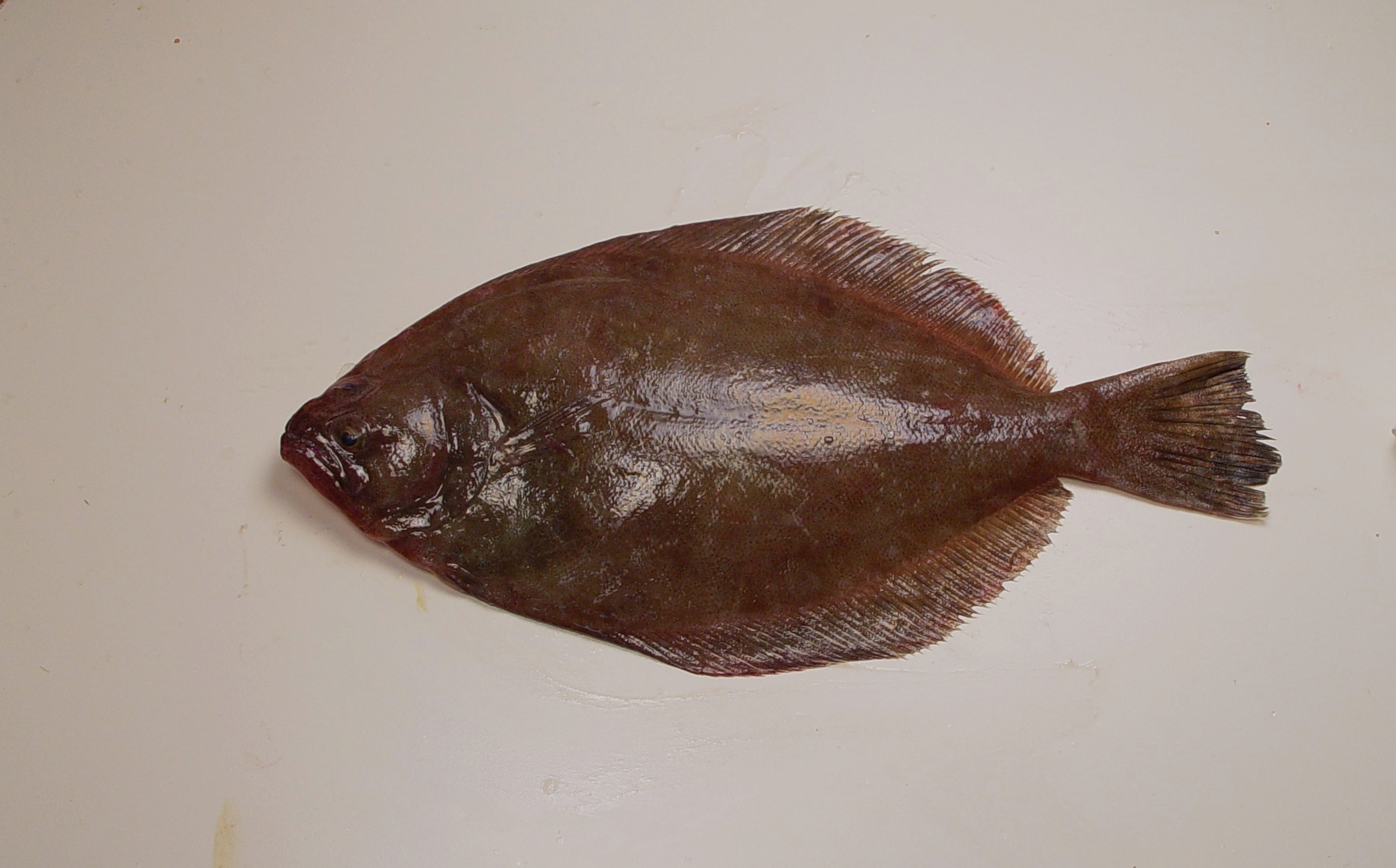
Summer flounder (fluke) are the inshore highlight, with the bite improving in the back bays, channels, and around the inlet. Black sea bass are stacked on the wrecks and reefs offshore, and bluefish are crashing bait in the inlet and surf. Kingfish, croaker, and the odd cobia are around, and offshore the first mahi and yellowfin tuna are showing at the canyons.
Where to Find Them
Drift the back-bay channels, the Thorofare, and around the inlet for flounder on the moving tide. Sea bass are on the wrecks and reef sites in 60 to 120 feet. Bluefish are in the inlet and along the surf. For the offshore crowd, the canyons are starting to produce mahi and yellowfin. The surf holds kingfish, blues, and the occasional early red drum.
Tides & Conditions
Flounder fishing is best on a moving tide, particularly the incoming with cleaner ocean water pushing into the bay. Sea bass bite well on the wrecks with a moving current. Offshore canyon runs need a settled weather window. Water is warming through the 60s and into the 70s inshore. Watch the marine forecast — early summer can still bring a sporty afternoon sea. The incoming tide drags cleaner, cooler ocean water into the back bays, and that is when the inlet and channel flounder bite turns on.
Tackle & Tactics
For flounder, drift Gulp on a bucktail or a live minnow-and-squid combo along the channel edges and slopes. Sea bass want squid, clams, and jigs dropped to the wrecks. Bluefish hit metal and cut bait in the inlet. A bucktail tipped with Gulp and bounced along the bottom on the drift is hard to beat for the better flounder around the inlet and channels.
Local Intel This Week
The West Ocean City Harbor ramps are the main public access to the inlet, the back bays, and the offshore wrecks. Flounder are building in the back bays and the channels, with sea bass stacking the nearshore wrecks and reefs. Confirm current Maryland and federal flounder and sea bass seasons and limits before keeping fish.
This Week’s Tip
For the better flounder, focus on the edges and drop-offs rather than the flats. Drift the channel slopes and the deeper cuts where the current funnels bait, and keep your bait right on the bottom — a flounder rarely chases up in the water column. Mark a productive drift on your GPS and run it again; the keepers tend to stack in specific spots.
More Ocean City MD Resources
Ocean City MD Fishing Guide · Ocean City MD Seasonal Calendar · All Ocean City MD reports →
Also read: Ocean City MD Fishing Report — Week of July 30, 2026: Back Bay Flounder, Canyon Tuna
Reports updated every Thursday on fishing.digital.
Planning a trip to Ocean City MD?
This report tells you what happened. ReelAI tells you what to do about it — a briefing for your date, your target species and how you're fishing, built from our reports plus live NOAA and USGS data.
Powered by ReelAI — fishing.digital's intelligence layer. Answers are generated from fishing.digital reports and public NOAA, NWS and USGS data, and may be incomplete or out of date. Regulations and marine safety information are summaries only; always confirm with the responsible authority before you fish.