
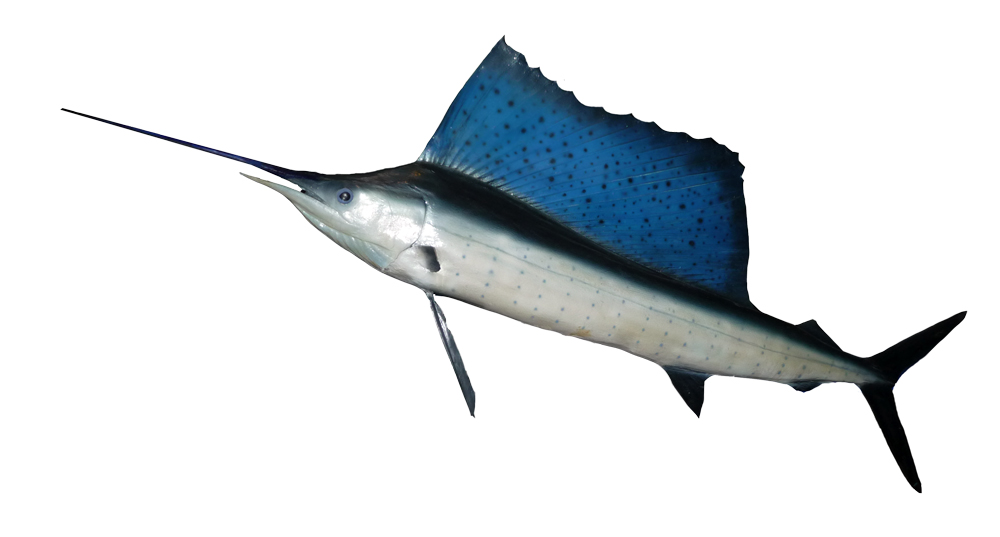
Palm Beach’s deep edge is close, and in late July that means variety: a surprising run of summer sailfish, steady mahi, kings on the ledges, and a mangrove snapper spawn that’s about to peak with the coming full moon.
What’s Hitting
This week on the water, sailfish are the pleasant surprise — kite boats working 120 to 180 feet off Jupiter and Palm Beach have been raising one or two fish a trip, good numbers for July. Mahi are scattered on the color changes in 300 to 600 feet, mostly schoolies with a few gaffers. Kings are consistent in 90 to 130 feet, and the night snapper fishing on the reefs is building toward the full-moon spawn — expect it to peak this weekend into next week.
Where to Find Them
The edge from the Juno Ball north to Jupiter is holding the sails and kings. Mahi hunters should work the current edges and any weed east of 300 feet. Snapper are stacked on the natural reef ledges in 60 to 90 feet from the Palm Beach Inlet north, and the Lake Worth Lagoon docks are holding smaller mangroves plus croaker for the light-tackle crowd.
Tides & Conditions
Spring tides build all week into the July 29 full moon — prime snapper-spawn timing. Morning seas have been 2 feet or less with light southeast breeze, building storms after 2 p.m. The current on the edge has been ripping north; plan your drifts accordingly.
Tackle & Tactics
Sails: kites with live goggle-eyes or threadfins, 30-pound stand-up gear. Mahi: a mixed spread of small lures and ballyhoo. For the snapper spawn, go heavier than usual — 30-pound fluorocarbon and a fish-finder rig with fresh bonito strips, because the full-moon fish run big and the current runs hard.
Local Intel This Week
Phil Foster Park at the Blue Heron Bridge and Currie Park cover the Lake Worth Lagoon launches; Burt Reynolds Park serves Jupiter. Phil Foster’s lot fills fast on weekends. Fish are concentrating on the deep edge and the reef ledges — the mid-depths have been quiet. Check current FWC regulations and seasons before keeping fish, especially on snapper during the spawn.
This Week’s Tip
Summer sails ride the current seams alone, not in packs. If you raise one, note the depth and water color and reset the exact line — a second fish is often using the same seam within the hour.
More Palm Beach Resources
Palm Beach Fishing Guide · Palm Beach Seasonal Calendar · All Palm Beach reports →
Also read: Palm Beach Fishing Report — Week of July 30, 2026: Mahi Offshore, Snapper on the Reef
Reports updated every Thursday on fishing.digital.
Planning a trip to Palm Beach?
This report tells you what happened. ReelAI tells you what to do about it — a briefing for your date, your target species and how you're fishing, built from our reports plus live NOAA and USGS data.
Powered by ReelAI — fishing.digital's intelligence layer. Answers are generated from fishing.digital reports and public NOAA, NWS and USGS data, and may be incomplete or out of date. Regulations and marine safety information are summaries only; always confirm with the responsible authority before you fish.