Updated: Thursday, July 23, 2026 · Next update: Thursday, July 30, 2026
This Fort Lauderdale fishing report for late July runs on the summer offshore pattern: run east, find the weeds, and the mahi will find you. Closer in, the three reef lines offer kings and bonito by day and a serious mangrove snapper crop by night. The main conditions to plan around are the building moon, which strengthens current on the reef, and kind morning seas that give way to the standard afternoon storm build. When the Gulf Stream edge is in tight, the mahi run is short.
What’s Hitting
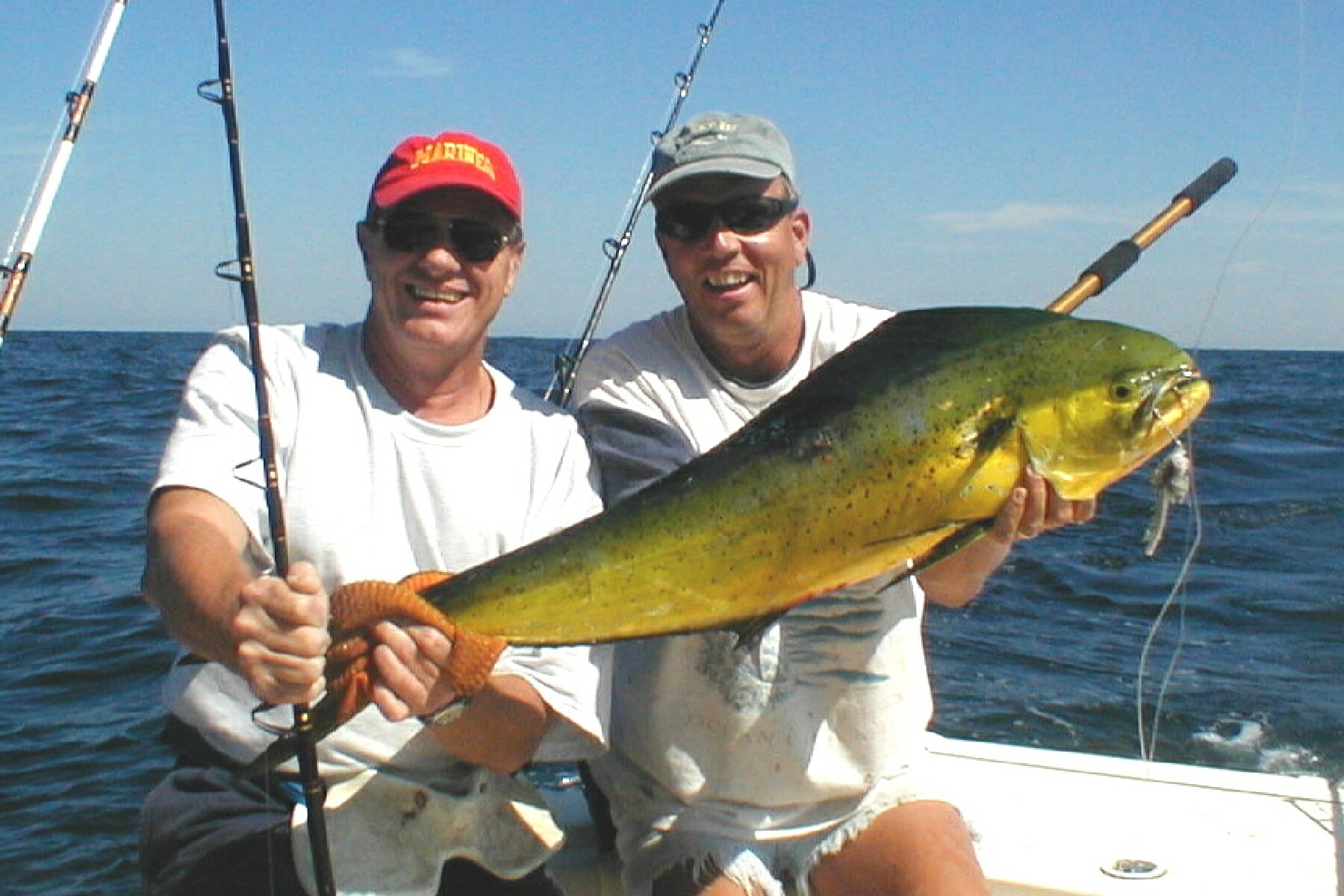
Mahi from schoolie size to the occasional 20-pounder sit along scattered weedlines in 400 to 800 feet. Expect patchy action: some days it’s every weed patch, some days it’s a long ride, and birds are the reliable tell.
On the reefs, kingfish and bonito are steady in 90 to 120 feet. Late July is prime for night mangrove snapper on the second and third reefs, with fish to 18 inches. Inshore, catch-and-release snook stack on the dock lights and bridge shadow lines along the Intracoastal from Las Olas north.
Where to Find Them
Start the mahi hunt straight out of Port Everglades and work north with the current, watching for frigates and floaters. The wrecks off Dania and Hollywood hold kings, plus a few sailfish for the flag-minded.
Night snapper are on the reef ledges in 60 to 90 feet from the inlet north to Hillsboro. Ledges concentrate snapper because they offer shelter right next to the current that carries food.
Tides & Conditions
The building moon means stronger current on the reef, great for the night drift but bring heavier leads. Seas are typically kind in the mornings with the standard afternoon storm build.
A tight Gulf Stream edge shortens the mahi run. When the ocean is too sloppy to run, fish the Intracoastal at night.
Tackle & Tactics
- Mahi: small ballyhoo or feathers on 30s, plus a pitch rod rigged with a chunk for the schoolies that follow hooked fish to the boat.
- Kings: slow-trolled live goggle-eyes with wire stingers.
- Night snapper: 20-pound fluorocarbon, a knocker rig and fresh-cut sardines or live pilchards, drifted with minimal light.
- Dock-light snook: a small white paddletail worked along the dark edge.
Local Intel This Week
The 15th Street boat ramp and Alsdorf Park in Pompano are the practical public launches for the reefs and weedlines; both are jammed by 7 a.m. on weekends, so launch early. Anglin’s Pier in Lauderdale-by-the-Sea gives the land-based crowd a shot at snapper and croaker, and George English Park on the Intracoastal is another public access point for the night snook.
Focus on the reef ledges after dark and the weedlines by day. Check current FWC and federal regulations and seasons before keeping fish.
This Week’s Tip
When you hook the first schoolie mahi, leave it in the water beside the boat. The school stays with the hooked fish, and a pitch bait keeps the action going as long as one fish is always hooked up.
Planning a trip to Fort Lauderdale?
This report tells you what happened. ReelAI tells you what to do about it — a briefing for your date, your target species and how you're fishing, built from our reports plus live NOAA and USGS data.
Powered by ReelAI — fishing.digital's intelligence layer. Answers are generated from fishing.digital reports and public NOAA, NWS and USGS data, and may be incomplete or out of date. Regulations and marine safety information are summaries only; always confirm with the responsible authority before you fish.