
The Chesapeake in early August is a bay of two halves. The lower bay is in the middle of an excellent cobia and Spanish mackerel season with warm, clear water and light morning wind. The middle and upper bay are dealing with summer heat, low dissolved oxygen in the deep channels, and a striped bass fishery that has gone early, deep, and technical.
What’s Hitting
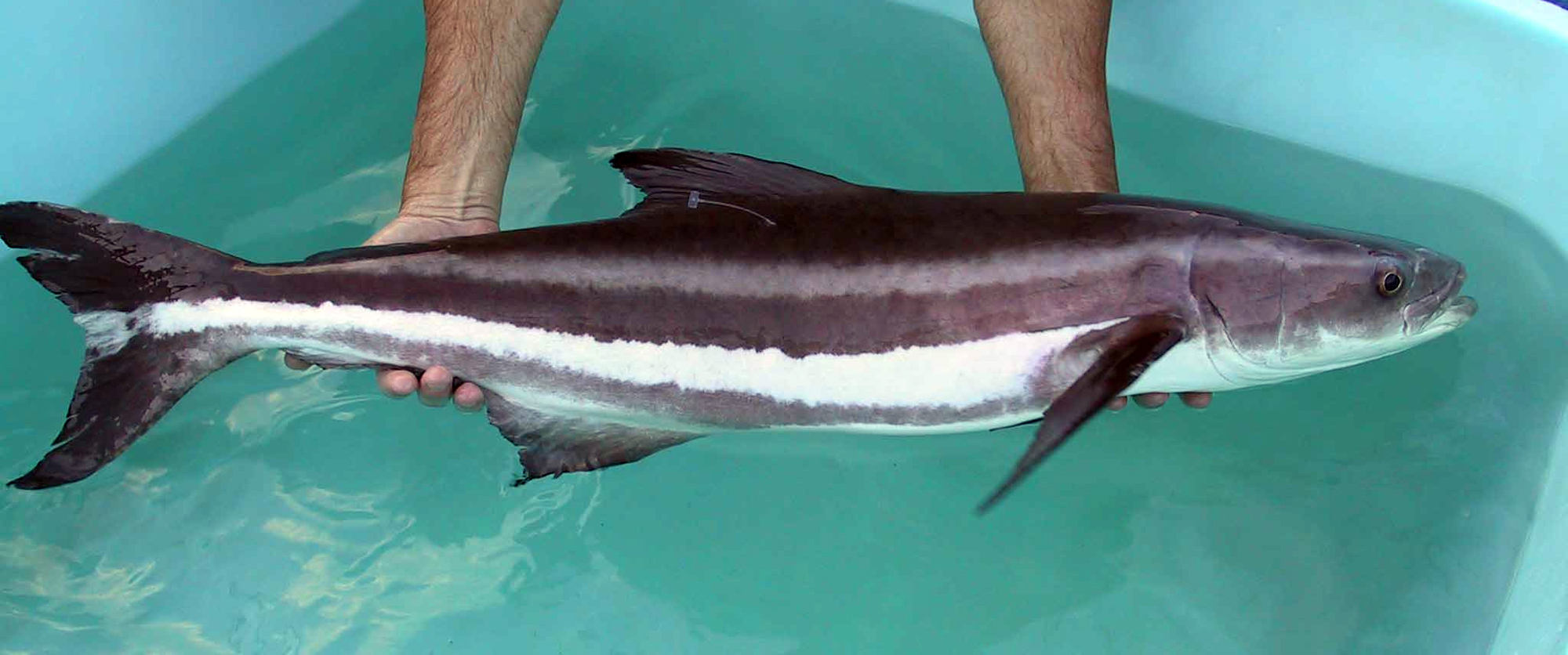
Cobia are the marquee fish in the lower bay, and sight-casting conditions have been good on the calm mornings. Fish are cruising the surface off the eastern shore shoals, around the Cape Charles area, and near the bay mouth. Spanish mackerel and bluefish are blitzing bait through the lower and middle bay and are easy, fun fishing on light tackle. Red drum are around in the lower bay, with big fish on the shoals. Striped bass are holding deep along channel edges and structure — they are catchable but require finding the right depth and temperature band. Speckled trout are in the lower bay grass. Spot and croaker are thick and make excellent live bait as well as good eating.
Where to Find Them
For cobia, run the shoal edges and the buoy lines in the lower bay and look for fish finning on the surface, or chum on anchor near structure. Spanish and blues are on breaking bait pods anywhere from the Bay Bridge Tunnel north through the middle bay. Stripers are on channel edges near the Bay Bridge, the Gas Docks, and the deeper structure — look for them stacked on the thermocline. Speckled trout are on the lower bay grass beds and around the barrier island inlets. Live-lining spot on the channel edges is the classic summer striper program.
Tides & Conditions
Surface temperatures are 82 to 86 through most of the bay. Dissolved oxygen is poor below the thermocline in the deep middle-bay channels, so fish are pinned in a relatively narrow band — usually 20 to 35 feet. Tides are moderate. Mornings have been calm with a sea breeze filling in by early afternoon, which shuts down sight-casting. Afternoon thunderstorms are common. Released stripers in this heat have poor survival odds, so if the water is very warm, consider targeting something else.
Tackle & Tactics
Cobia sight-casting means a heavy spinning outfit, 50-pound leader, and a bucktail or live eel pitched well ahead of the fish. Do not cast at the fish — lead it. Spanish want a small casting spoon retrieved fast, or trolled Clarkspoons behind planers. Stripers are best approached by live-lining spot on a light circle-hook rig on the channel edge, or by jigging a soft plastic right at the marked depth. Trout eat a soft plastic or a live peeler crab around grass and structure.
Local Intel This Week
Sandy Point State Park, the Kiptopeke State Park ramp, and Sunset Beach in the lower bay are practical launches. Shore anglers are catching from the Kiptopeke fishing pier and the Bay Bridge Tunnel islands where access is allowed. Fish are concentrating on shoal edges, buoys, and the thermocline band rather than spread through the water column. Striped bass, cobia, and red drum all carry seasons, slot limits, and permit requirements that differ between Maryland and Virginia — check current Maryland DNR and Virginia Marine Resources Commission regulations and seasons before keeping any fish.
This Week’s Tip
Sight-casting cobia, put the sun at your back and run a slow zigzag along the shoal edge rather than a straight line. A polarized angler on a tower can see a fish at eighty yards with good light, and a zigzag course covers twice the water and gives you a second look at fish that slide behind the boat. Keep a rod rigged and in hand the entire time.
Planning a trip to Chesapeake Bay?
This report tells you what happened. ReelAI tells you what to do about it — a briefing for your date, your target species and how you're fishing, built from our reports plus live NOAA and USGS data.
Powered by ReelAI — fishing.digital's intelligence layer. Answers are generated from fishing.digital reports and public NOAA, NWS and USGS data, and may be incomplete or out of date. Regulations and marine safety information are summaries only; always confirm with the responsible authority before you fish.