Updated: Thursday, October 1, 2026 · Next update: Thursday, October 8, 2026
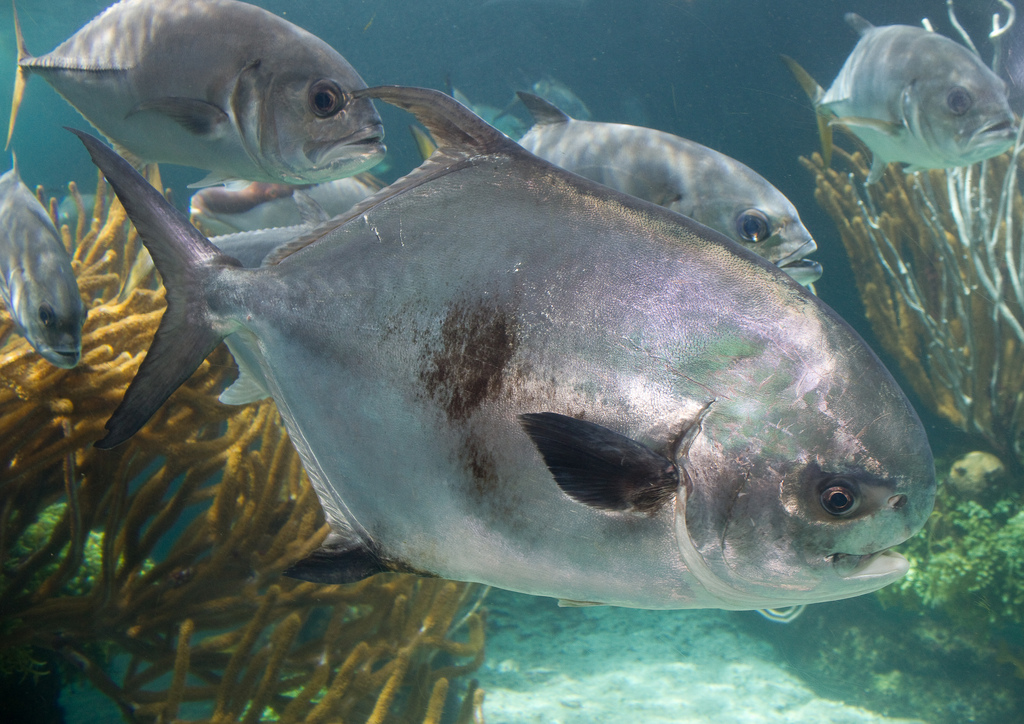
This Florida Keys fishing report covers early October, a quiet month for crowds and a very good month for fishing. Summer heat is breaking, lobster boats thin out, and both the flats and the reef produce. Permit are the lead target, schooling on the wrecks and pushing onto oceanside flats on calm, sunny mornings. The condition to plan around is the wind: easterly trades are typical and early fall fronts can bring north wind, so pick your days carefully.
What’s Hitting
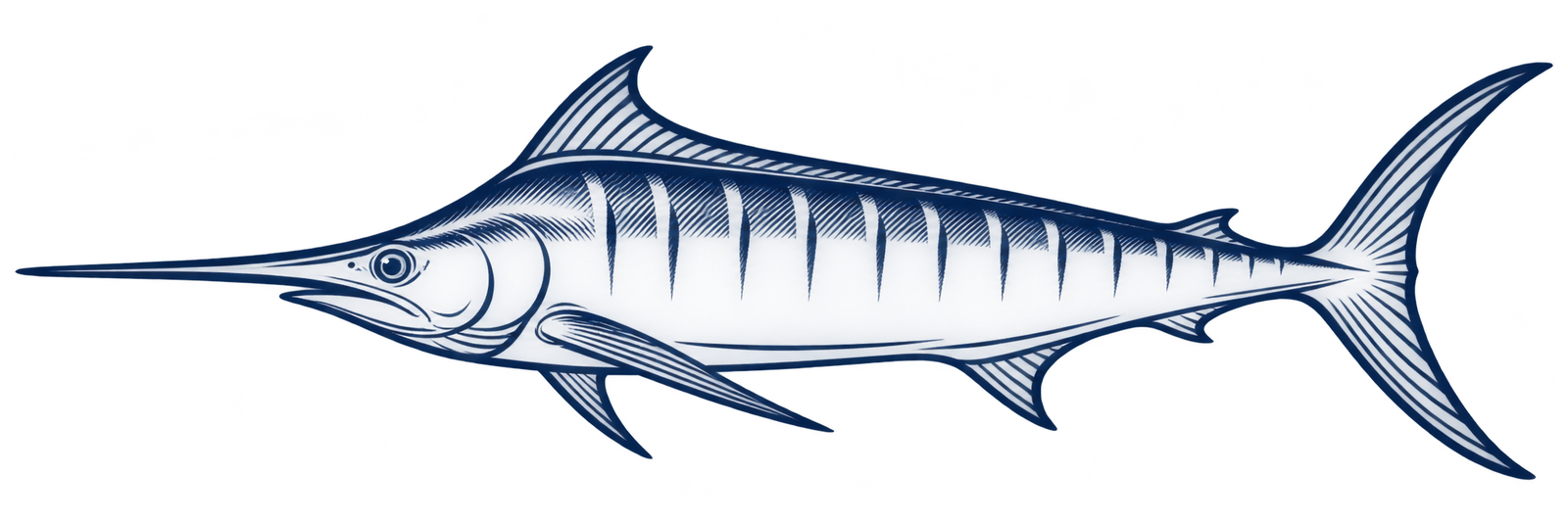
Permit school on the wrecks in 60 to 120 feet and start pushing onto the oceanside flats on calm, sunny mornings. Mutton snapper and yellowtail are steady on the reef edge, with kingfish mixed in on the deeper patches. Bonefish get more active as the flats cool a few degrees, and tarpon roll in the backcountry channels and around the bridges at night. Offshore, mahi thin out, blackfin tuna show on the humps, and the first fall sailfish appear on the reef edge with the first strong cold front.
Where to Find Them
For permit, the wrecks off Marathon and Key West are the most reliable bet, and the oceanside flats near Sugarloaf and Big Pine are worth a look on calm days. Yellowtail and muttons spread along the reef from Alligator Reef down through Looe Key and rise into the chum line on a moving tide. Find bonefish on the Islamorada and Marathon oceanside flats, especially on the rising morning tide. Tarpon work Channel Five, Long Key and the Seven Mile Bridge after dark.
Tides & Conditions
Moderate tides with the last quarter moon make the bridges and channels easier to fish. Flats water sits in the mid-80s and cools slowly. Easterly trades in the 10 to 15 knot range are typical, and the first fall fronts can bring a few days of north wind. Keep an eye on the tropics, which can still send a system through in early October.
Tackle & Tactics
- Wreck permit: a live blue crab or pass crab on a 2/0 to 4/0 circle hook with 30-pound fluorocarbon.
- Yellowtail: drift a small piece of ballyhoo or a silverside in the chum slick on a light jig head and 12- to 15-pound fluorocarbon.
- Bonefish: a small shrimp or a tan bonefish fly fished slowly in front of a tailing fish.
- Bridge tarpon: a live mullet or pinfish on 60-pound leader.
Keep the chum slick steady on the reef. Yellowtail follow a consistent trail, and a slick that stops and starts lets them drop back down.
Local Intel This Week
Good public launches include the Founders Park ramp in Islamorada, the Marathon Boat Ramp at 33rd Street and the Spanish Harbor ramp at Big Pine. Use Founders Park for the Islamorada flats and Alligator Reef, Marathon for the wrecks and Seven Mile Bridge, and Spanish Harbor for the Big Pine and Sugarloaf flats. Shore anglers can work the Old Seven Mile Bridge and Long Key Bridge fishing piers. Fish concentrate on the wrecks, the reef edge and the oceanside flats on rising tides. Much of the area is within the Florida Keys National Marine Sanctuary, so check sanctuary zones before you fish. Check current FWC and federal regulations and seasons before keeping fish.
This Week’s Tip
Permit on the wrecks spook easily when a boat parks right on top of them. Set up up-current, chum lightly with crabs and let the school rise to you. When they come up, a crab drifted back on a free-spool line is almost impossible for them to refuse.
Planning a trip to Florida Keys?
This report tells you what happened. ReelAI tells you what to do about it — a briefing for your date, your target species and how you're fishing, built from our reports plus live NOAA and USGS data.
Powered by ReelAI — fishing.digital's intelligence layer. Answers are generated from fishing.digital reports and public NOAA, NWS and USGS data, and may be incomplete or out of date. Regulations and marine safety information are summaries only; always confirm with the responsible authority before you fish.