
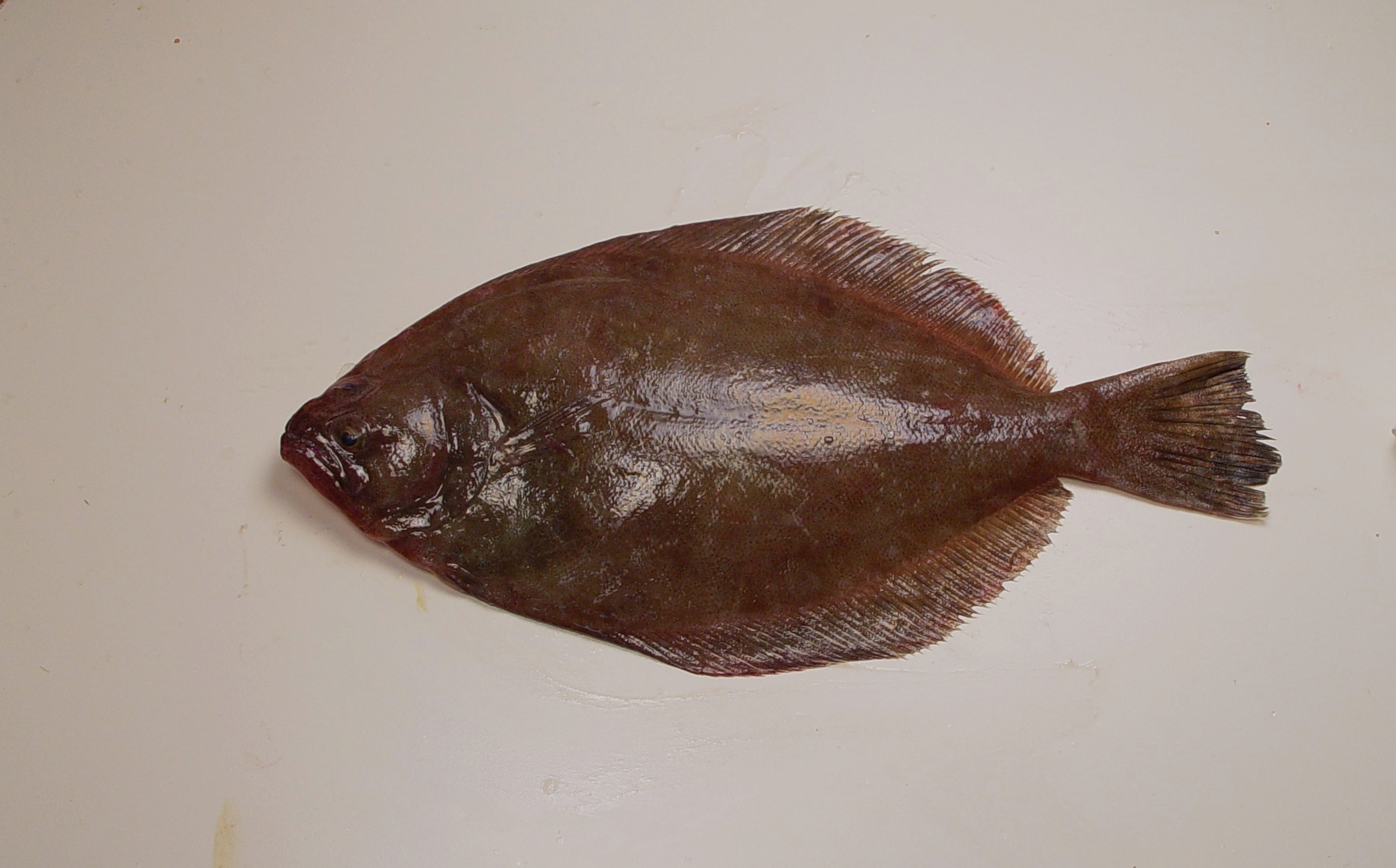
This week Ocean City is deep into its best stretch of the year. The back bays are warm and full of bait, the inlet is moving good numbers of flounder, and the canyon fleet is having the kind of August that keeps the marina parking lots full. Offshore weather has been cooperative with a light southwest flow most mornings, which makes the long run manageable.
What’s Hitting
Flounder are the bread and butter — the back bays, the East Channel and the inlet are all producing, with the better keepers coming from the deeper channel edges and the inlet on moving water. Offshore, the canyons are giving up yellowfin, bigeye and a steady white marlin bite, along with mahi on the pot lines. Nearshore, the wreck and reef sites hold sea bass, triggerfish and a few flounder. In the surf, kingfish and spot are steady, with bluefish and the odd Spanish mackerel in the trough.
Where to Find Them
For flounder, work the Thorofare, the East Channel and the drop-offs around the Route 50 bridge and the inlet on the incoming. The Great Gull Bank and the deeper Assateague-side channels have held better fish. Offshore, the Baltimore, Poor Man’s and Washington canyons have all produced — look for temperature breaks and pot lines. The Bass Grounds and the African Queen wreck are the practical nearshore stops. Surf anglers should focus on the Assateague beaches and the ends of the developed beaches early and late.
Tides & Conditions
Moderate tidal range this week off the waxing moon, with the strongest inlet current on the late-morning fall. Bay water is in the upper 70s, ocean in the low to mid 70s inshore and warmer offshore. Morning seas two to three feet with a light southwest breeze; the afternoon builds. Water clarity in the back bays is decent, and the inlet cleans up on the incoming. Scattered afternoon thunderstorms are possible but not daily.
Tackle & Tactics
Flounder: a light conventional or a 3000-size spinner, 15- to 20-pound braid, a bucktail-and-teaser rig tipped with a strip of squid or a live minnow, and just enough weight to tick bottom on the drift. Drift with the current, not against it, and set the hook late. Offshore, the standard canyon trolling spread of ballyhoo and spreader bars with 50- to 80-pound gear, plus a pitch rod ready for marlin. Surf anglers want a two-hook bottom rig with bloodworm or Fishbites on a 9- to 11-foot rod.
Local Intel This Week
The West Ocean City Harbor ramp is the main trailer launch and gets busy early on weekends. The Gum Point Road ramp and the Public Landing ramp serve the back bays with far less traffic. Shore anglers are catching flounder and stripers off the inlet jetty and the Route 50 bridge catwalk. Fish are concentrating on channel edges and current seams — the flounder are on the drop-off, not the flat. Maryland flounder, sea bass and striped bass seasons and size limits change through the year; check current Maryland DNR and federal regulations before keeping any fish.
This Week’s Tip
On a flounder drift, the boat almost always moves faster than the bait should. Drop a drift sock. Slowing the drift from two knots to under one turns short bites into hookups, because a flounder that grabs the tail of a bucktail needs a couple of seconds to turn it — and at speed it never gets them.
Planning a trip to Ocean City MD?
This report tells you what happened. ReelAI tells you what to do about it — a briefing for your date, your target species and how you're fishing, built from our reports plus live NOAA and USGS data.
Powered by ReelAI — fishing.digital's intelligence layer. Answers are generated from fishing.digital reports and public NOAA, NWS and USGS data, and may be incomplete or out of date. Regulations and marine safety information are summaries only; always confirm with the responsible authority before you fish.