
Fall on the Gulf Coast replaces summer heat management with bait movement, stronger inshore feeding, bull-red activity, flounder migrations, and improving surf conditions. From southwest Florida through Texas, timing varies widely, but the governing pattern is consistent: cooling water concentrates forage and makes midday fishing productive again.
What Changes in Fall
Early fall may still fish like summer, especially in South Florida and deep South Texas. Successive fronts lower water temperature, reduce afternoon thunderstorms, and move shrimp and baitfish from marshes and bays toward passes. Watch salinity after major rain events and choose protected water after hard north winds.
Bull Reds at Passes and Jetties
Large redfish gather around passes, jetties, channel edges, and nearshore bait. Presentations include live or cut bait, heavy soft plastics, jigs, and large spoons. Use tackle that lands fish efficiently, support large fish horizontally, and minimize time out of the water. Regulations and allowable harvest vary by state and size class.
Speckled Trout in Transition
Trout move from open summer water toward bay shorelines, drains, grass edges, oyster, and deeper wintering areas. Early in the season, search broad flats with topwaters and paddletails. After stronger fronts, work depth changes and slow-sinking presentations. Clearer water usually favors longer leaders and natural colors.
The Flounder Run
Flounder migrate toward passes and the Gulf, creating concentrated opportunities around channel mouths, jetties, docks, and sandy edges adjacent to structure. Drag or hop a compact bait near bottom and slow down when you get the first pickup. Seasonal closures and rules differ substantially around the Gulf, so verify them before keeping fish.
Pompano, Whiting, and Surf Species
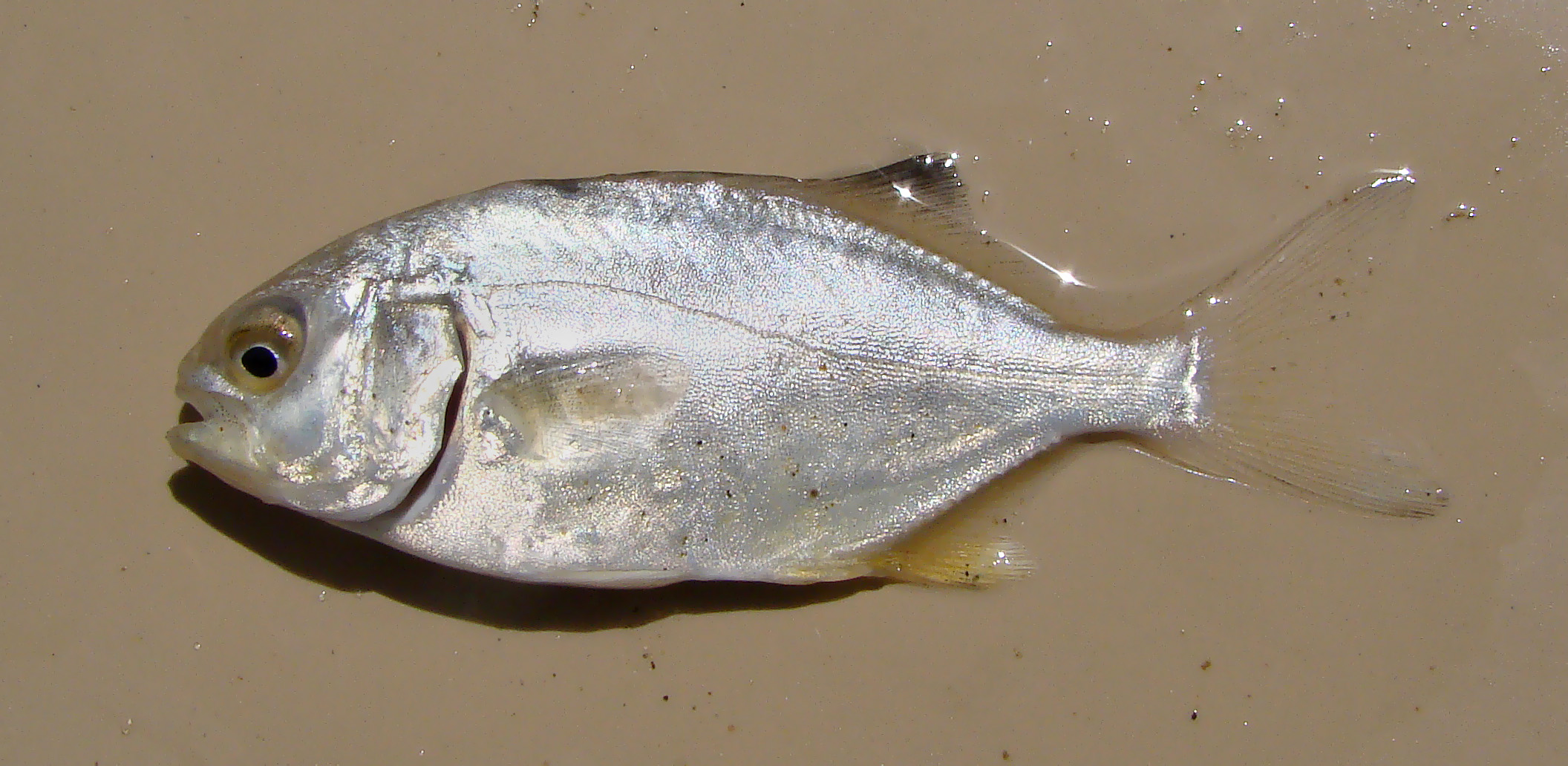
Cooling surf can improve pompano and whiting action where clean water, troughs, and moving current intersect. Small natural baits and compact jigs work well. Avoid oversized tackle; sensitivity and a natural presentation often matter more than extreme casting distance. Review our Gulf Coast surf guide and surf rod recommendations.
Marsh and Bay Tactics
On rising water, fish flooded grass, oyster, and points. On falling water, concentrate on drains and creek mouths carrying bait into deeper water. A medium-power inshore outfit handles most trout and slot-red fishing; step up for jetties, heavy current, and adult redfish. See the saltwater rod guide and inshore reel guide.
Front-by-Front Planning
Fish the warm, stable period before a front aggressively. After passage, choose leeward shorelines, deeper channels, protected bayous, and afternoon windows. Persistent dirty water may require vibration, scent, or darker profiles. A mild warming trend can quickly reactivate shallow fish.
Plan the Trip
The Gulf spans multiple climate zones and regulatory systems. Consult current Florida, Alabama, Mississippi, Louisiana, or Texas rules and federal seasons as applicable. Then use the latest weekly reports for local bait, water clarity, and weather.
Planning a trip to Saltwater Fishing?
This report tells you what happened. ReelAI tells you what to do about it — a briefing for your date, your target species and how you're fishing, built from our reports plus live NOAA and USGS data.
Powered by ReelAI — fishing.digital's intelligence layer. Answers are generated from fishing.digital reports and public NOAA, NWS and USGS data, and may be incomplete or out of date. Regulations and marine safety information are summaries only; always confirm with the responsible authority before you fish.