
Fall is one of the Great Lakes region’s most diverse fishing seasons. Salmon stage near river mouths, steelhead enter tributaries, smallmouth consolidate around structure, muskies feed heavily, and Lake Erie walleye patterns shift with cooling water. The same cold fronts that improve one fishery can make another unsafe, so regional planning starts with wind.
Salmon and Steelhead
On Lake Michigan and connected waters, mature salmon stage outside river mouths before moving upstream. Low-light trolling, casting piers, and tributary fishing all have windows. Steelhead become increasingly important as fall progresses. River levels, temperature, and rainfall determine whether fish push upstream or hold near mouths.
Lake Erie Walleye
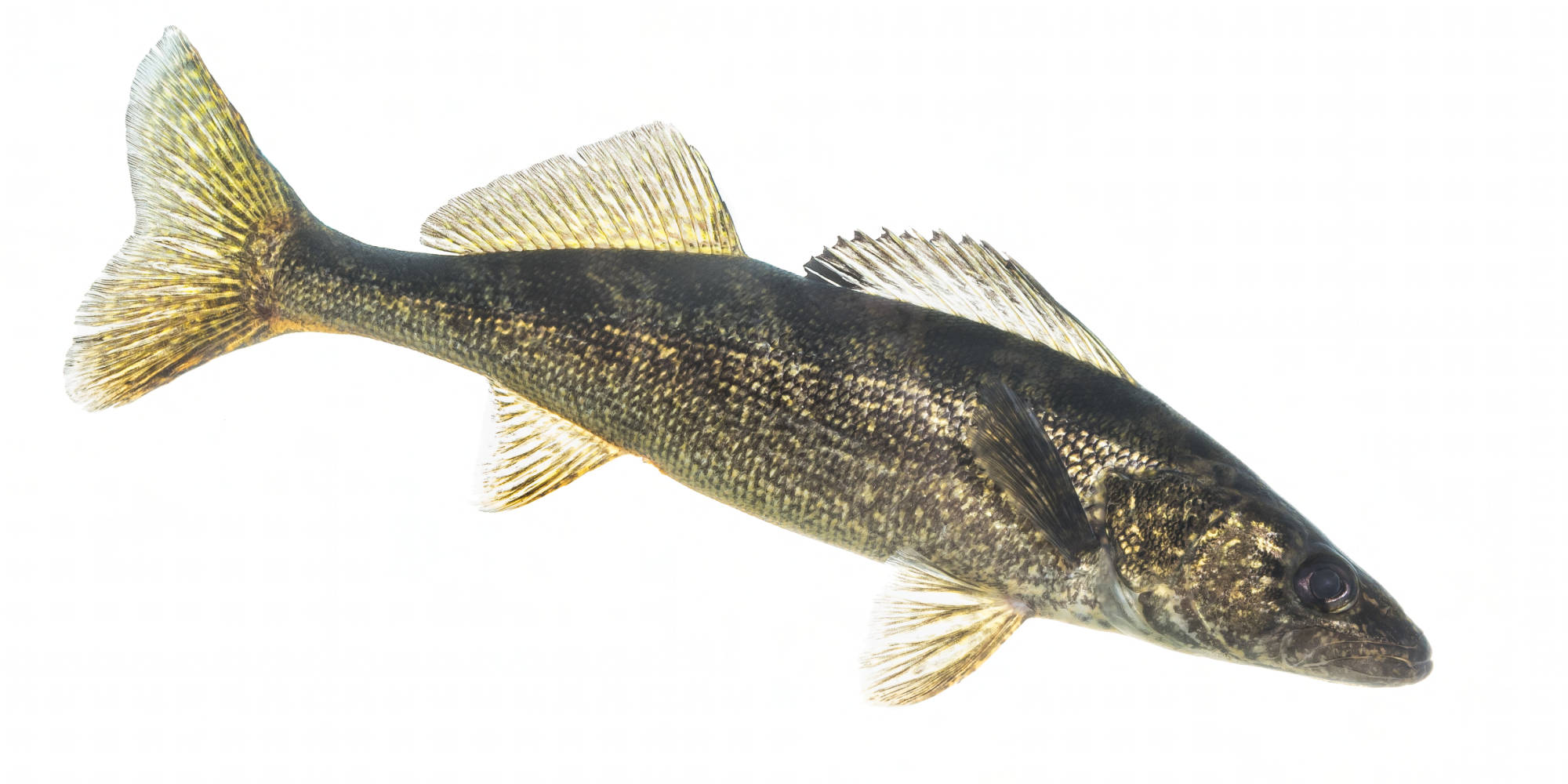
Cooling water can bring walleye shallower and create productive night, shoreline, and nearshore trolling opportunities. Open-water fish still relate to bait rather than obvious bottom structure, making sonar and mapping useful for locating the active depth. Avoid running the boat through a marked school before setting a controlled pass.
Smallmouth Bass
Fall smallmouth often concentrate on rock, breaks, points, and remaining forage. Tubes, drop shots, blade baits, jerkbaits, and swimbaits cover different depths and activity levels. Wind can improve feeding but also makes boat control difficult; presentation quality matters more than simply using a heavier lure.
Muskies and Pike
Late fall is prime time for large predators across the region. Slower presentations, larger profiles, and precise boat-side execution become important. Use tackle capable of controlling fish, carry long-handled pliers and proper cutters, and have an release plan before the strike.
Tributary Strategy
Rain creates movement, but high or dirty water can compress safe, fishable windows. Adjust leader, weight, and presentation depth to current conditions rather than repeating a summer setup. Respect private property and avoid crowding spawning fish or other anglers.
Electronics and Boat Control
Fall fish may be tightly grouped, so a clean sonar return and accurate boat speed are valuable. Side imaging helps search structure; traditional CHIRP is useful beneath the boat; GPS tracks make successful trolling passes repeatable. Our fish-finder guide explains package and transducer differences.
Cold-Water Safety
Great Lakes weather can turn severe quickly, and nearshore water becomes life-threatening long before winter. Wear—not merely carry—flotation, monitor marine forecasts, file a float plan, and avoid treating a small craft as protection from open-lake conditions.
Regulations and Current Reports
Licenses, tributary rules, seasonal closures, and possession limits vary by state, province, lake, and species. Check current regulations before fishing. Use our weekly reports for the changing salmon, steelhead, walleye, and smallmouth picture.
Planning a trip to Great Lakes?
This report tells you what happened. ReelAI tells you what to do about it — a briefing for your date, your target species and how you're fishing, built from our reports plus live NOAA and USGS data.
Powered by ReelAI — fishing.digital's intelligence layer. Answers are generated from fishing.digital reports and public NOAA, NWS and USGS data, and may be incomplete or out of date. Regulations and marine safety information are summaries only; always confirm with the responsible authority before you fish.