
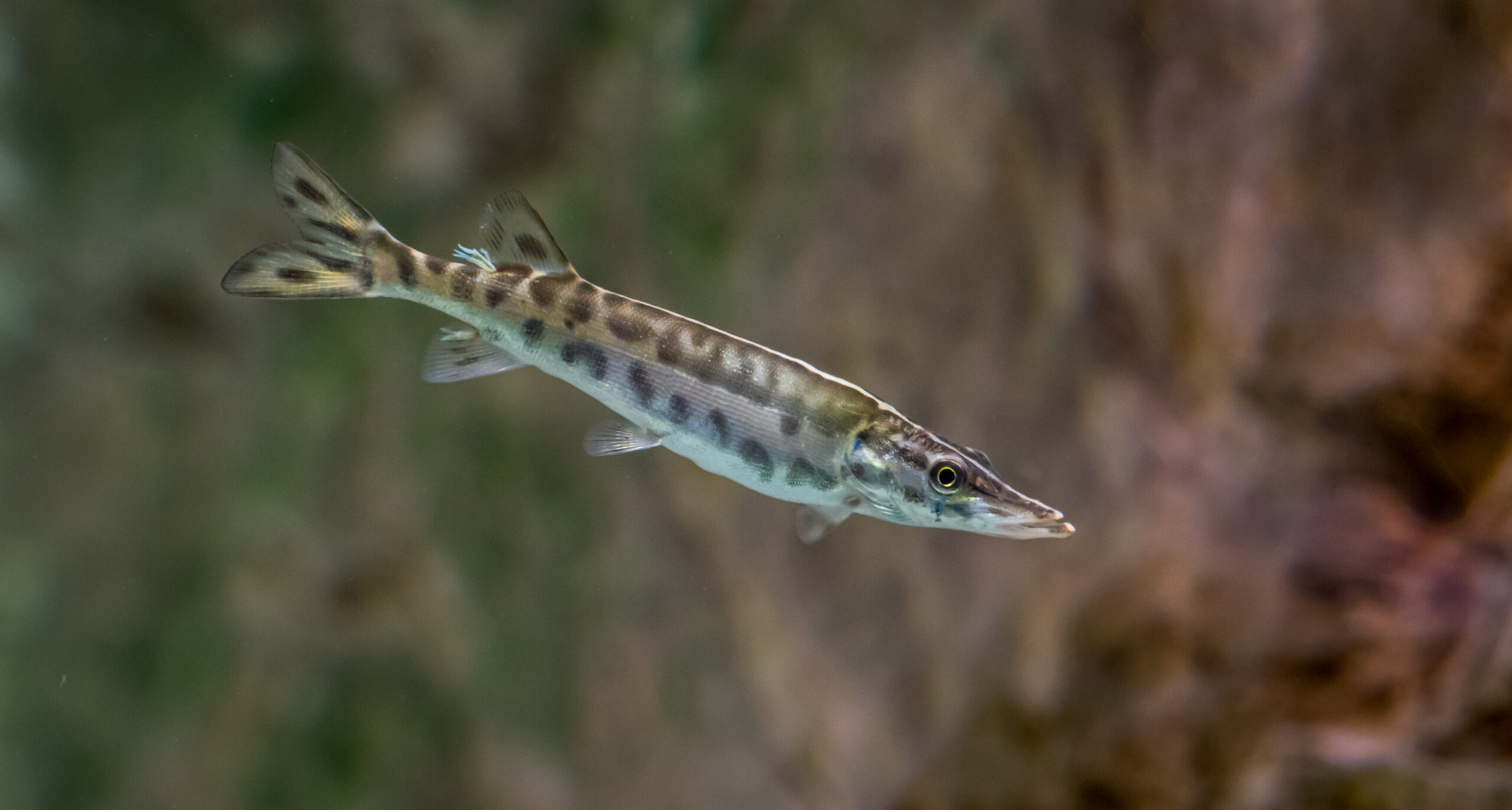
The St. Lawrence in late August is on the front edge of its best season. Smallmouth fishing has been strong all summer and continues, but the fish everyone here actually cares about — muskellunge — are becoming more active as the nights cool and the first hints of fall creep in. The serious muskie effort ramps up from here through freeze-up.
What’s Hitting
Smallmouth bass are the numbers fish and they are excellent right now, holding on the shoals, current seams and rocky drop-offs throughout the river.
Muskie are becoming more active and more willing to move on a bait as the water begins its slow cool-down. Northern pike are on the weed edges and in the bays. Walleye are holding deeper structure and current breaks and feed best at low light. Yellow perch and panfish are abundant in the bays, and there are carp and gar in the shallows for anglers who like something different.
Where to Find Them
Smallmouth are on the current-swept shoals and rock structure throughout the main river channel — look for current breaks behind islands and shoals where fish can sit out of the flow and ambush.
Muskie hold on the deeper weed edges, the shoal drop-offs and the current seams near the main channel. The Clayton, Alexandria Bay and Chippewa Bay areas all hold fish. Pike are in the shallower weedy bays and along the outside grass edges. Walleye relate to deeper structure and the channel edges and are most reliably taken at dawn, dusk and after dark.
Tides & Conditions
Water is at its warmest of the year and beginning to ease. The St. Lawrence carries substantial current, which is a defining feature of fishing here — it positions the fish, and understanding where current is broken is most of the puzzle.
Water clarity is generally excellent, which means longer casts, lighter leaders and a quieter approach on the shallower structure. Cooler nights have started and each one nudges the muskie fishing forward. Boat traffic is still heavy on the weekends through Labor Day; weekday mornings are noticeably more productive.
Tackle & Tactics
For smallmouth, a drop-shot or a tube jig worked on the shoals and current breaks is the standard, and both take numbers of fish. A jerkbait or a swimbait fished on the current seams will select for the larger fish when they are active.
Muskie anglers should be throwing large bucktails, glide baits and rubber, and figure-eighting at the boat on every single cast — a substantial share of fish here eat within a rod length. Heavy gear, a long fluorocarbon or wire leader, and a proper release setup with big nets, long pliers and cutters are all mandatory. Pike take spoons and spinnerbaits along the weeds.
Local Intel This Week
Ramps and access: the Clayton and Alexandria Bay municipal ramps, the Cape Vincent ramp, the Chippewa Bay launch, and the Keewaydin State Park ramp near Alexandria Bay. Shore anglers have access at several state parks and village waterfronts along the river.
Fish are concentrating on the current-swept shoals for smallmouth and along the deeper weed and shoal edges for muskie. This is an international border water and fishing the Canadian side requires an Ontario license, with different regulations on each side. New York muskie has a defined season and a large minimum size, and bass regulations differ between the river and the connected waters. Check current NYSDEC and Ontario regulations before fishing and before keeping anything.
This Week’s Tip
Figure-eight every cast, even when you have seen nothing. Muskie follow baits to the boat far more often than most anglers realize, and they commit at the turn rather than in open water. Get in the habit now, while the fishing is casual, so the movement is automatic in October when a fifty-inch fish materializes behind your bait at the end of a long, cold retrieve.
Planning a trip to Thousand Islands NY?
This report tells you what happened. ReelAI tells you what to do about it — a briefing for your date, your target species and how you're fishing, built from our reports plus live NOAA and USGS data.
Powered by ReelAI — fishing.digital's intelligence layer. Answers are generated from fishing.digital reports and public NOAA, NWS and USGS data, and may be incomplete or out of date. Regulations and marine safety information are summaries only; always confirm with the responsible authority before you fish.