
Champlain in late August is a big-water summer fishery that is just starting to think about fall. Surface temperatures are near their peak, the smallmouth are on deeper rock, and the pike are holding the outside weed edges. Cooler nights have begun, and the first sustained cool stretch will pull everything shallower and start the best fishing of the year.
What’s Hitting
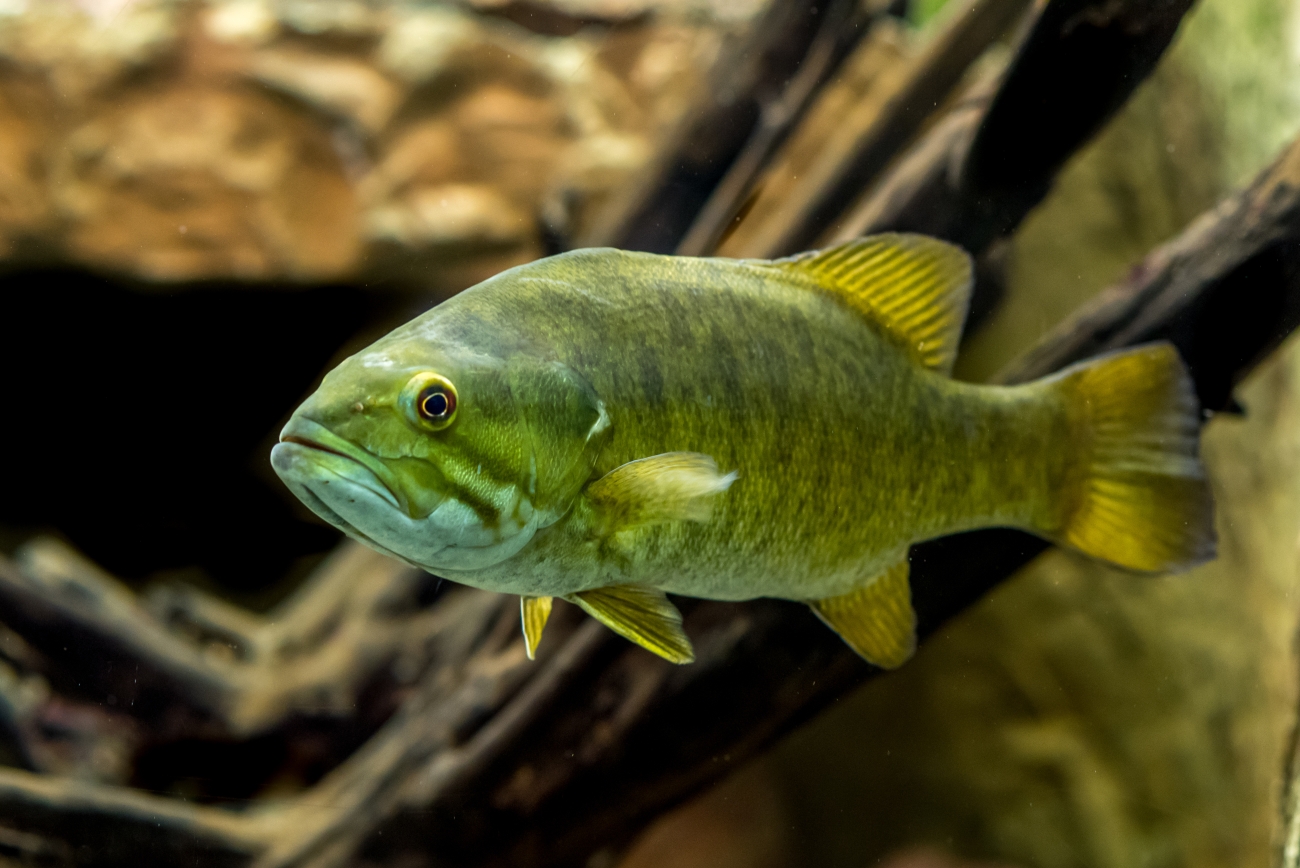
Smallmouth bass are the strength of this lake and they are on the rocky humps, points and drop-offs in 15 to 30 feet.
Largemouth are in the weeds and around the docks in the shallower bays. Northern pike are on the outside weed edges and will take a bait meant for anything else. Lake trout are deep and holding to the thermocline, and landlocked salmon are around for anglers willing to troll for them. Yellow perch and panfish are abundant and easy to find for anyone wanting a simple day.
Where to Find Them
The main-lake rock structure — humps, points and shoals off the islands and along the New York shoreline — holds the smallmouth. Look for isolated rock in 15 to 30 feet with clean bottom.
Largemouth are in Missisquoi Bay, the Inland Sea and the shallow weedy bays on the Vermont side. Pike hold on the outside edges of those same weed beds. Lake trout are in the deep main-lake basins, best located with electronics and fished vertically. The Champlain bridge and causeway areas concentrate fish and current and are always worth a look.
Tides & Conditions
Surface temperatures are at their annual high and there is a well-defined thermocline in the main lake. Find that thermal break and you will find where the coldwater species are living.
Champlain is large enough to build a serious chop and it does so quickly on a north or south wind funneling down the length of the lake. Check the forecast before crossing open water in a small boat. Cooler nights have started to pull the surface temperature down, which is the beginning of the fall transition and worth watching closely over the next few weeks.
Tackle & Tactics
For smallmouth, a drop-shot with a soft plastic minnow is the most consistent producer on deeper rock, with a tube jig and a Ned rig close behind. When fish are active, a swimbait or a jerkbait worked over the structure will take the larger ones.
Largemouth in the weeds eat a Texas-rigged worm, a jig, or a frog over the mats early. Pike want a large spoon, a spinnerbait or a swimbait worked along the weed edge, and a wire or heavy fluorocarbon bite leader saves lures. Lake trout come to a vertical jig or a spoon fished right on the bottom in deep water.
Local Intel This Week
Ramps and access: the Burlington and Shelburne Bay ramps on the Vermont side, the Plattsburgh and Port Henry ramps in New York, the Grand Isle and North Hero ramps in the islands, and the Ticonderoga ramp at the south end. Shore access is available at many state parks and town beaches along both shorelines.
Fish are concentrating on the deeper rock structure and along the outside weed edges as the surface water sits at its warmest. Champlain straddles the Vermont and New York state line and a reciprocal license arrangement covers most of the main lake, but regulations, seasons and limits differ by species and by state, and some tributaries have their own rules. Check current Vermont Fish and Wildlife and NYSDEC regulations before fishing and before keeping fish.
This Week’s Tip
Find the isolated rock, not the long shoreline. Champlain has miles of rocky bank that all look identical, and most of it holds very few fish. The productive spots are small, isolated pieces of hard structure surrounded by soft bottom in 18 to 25 feet. Spend an hour idling with your electronics to find three of them, and you will out-fish a full day of casting the bank.
Planning a trip to Lake Champlain?
This report tells you what happened. ReelAI tells you what to do about it — a briefing for your date, your target species and how you're fishing, built from our reports plus live NOAA and USGS data.
Powered by ReelAI — fishing.digital's intelligence layer. Answers are generated from fishing.digital reports and public NOAA, NWS and USGS data, and may be incomplete or out of date. Regulations and marine safety information are summaries only; always confirm with the responsible authority before you fish.