Updated: Thursday, September 17, 2026 · Next update: Thursday, September 24, 2026
This Tampa Bay fishing report covers mid-September, a transition week on the west coast with all the right signs. Redfish are the lead target, ganging up into big schools on the bay flats around mullet. Snook stay at the passes and along the beaches on the outgoing tide, and the first cooler mornings bring speckled trout back onto the grass where they belong. Plan around the morning outgoing tide, which is the best snook window, and the higher tide stages that push reds up onto the shallow flats and oyster bars.
What’s Hitting
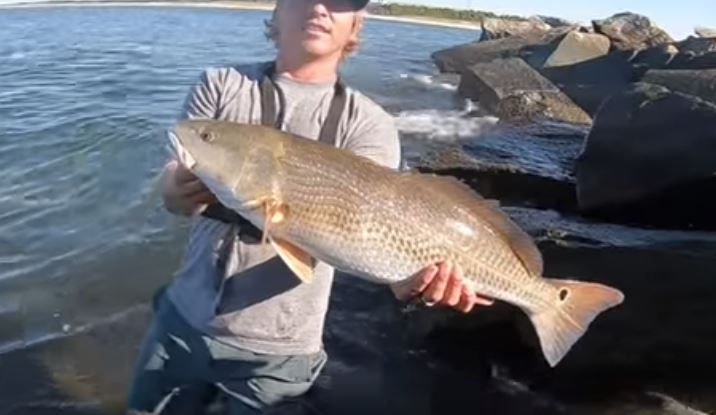
Redfish are the story. Schools of 50 to 200 fish form on the flats of upper Tampa Bay, around Weedon Island, and along the mangrove shorelines of the Pinellas side. Snook feed at Pass-a-Grille, John’s Pass and along the beaches on the outgoing tide, with plenty of fish still in the surf line.
Speckled trout move back onto the deeper grass in 3 to 6 feet after a slow August. Mangrove snapper stay on the Skyway pilings and bay structure, and Spanish mackerel chase glass minnows around the bridges and the shipping channel.
Where to Find Them
Redfish sit on the shallow flats and oyster bars on the higher stages of the tide, then slide off into the potholes and channel edges as the water falls. Look for pushes of water and mullet schools in the Cockroach Bay, Weedon Island and Fort De Soto areas. Reds travel with mullet because the mullet stir crabs and shrimp out of the bottom.
Snook are at the passes and on the beaches at first light, and on the mangrove points inside on the moving tide. Trout are on the grass flats off Pinellas Point and the Fort De Soto flats early, then in 5 to 8 feet as the sun gets up.
Tides & Conditions
Tides are moderate between the moons, with a decent morning outgoing that sets up the best snook window. Bay water sits in the mid-80s but drops at night, which is what gets the trout moving. Expect calm mornings, the afternoon sea breeze and scattered storms on schedule. Clarity on the flats is good except after heavy rain.
Tackle & Tactics
- Redfish schools: a gold spoon or a soft-plastic paddle tail on a light jig head, cast to the edge of the school on 20-pound fluorocarbon so you don’t blow them out. Switch to live pilchards or a cut pinfish when they get finicky.
- Snook at the passes: live pilchards, pinfish or a white paddle tail on 30-pound leader.
- Trout: a popping cork with a shrimp or a soft plastic over the grass; the pop mimics feeding fish and pulls trout up to the bait.
- Rod: a 7-foot medium spinning rod with 15-pound braid covers the flats.
Local Intel This Week
Fort De Soto Park has a large public ramp with quick access to the south bay passes. The Williams Park ramp in Riverview and the Cockroach Bay ramp serve the upper bay flats, and the Maximo Park ramp in St. Petersburg is the closest launch to the Skyway. Use the high tide to work the flats around mullet schools, then shift to the passes on the outgoing. Check current FWC and federal regulations and seasons before keeping fish.
This Week’s Tip
A schooling redfish pod spooks off engine noise more than anything. Stake out or drift down on them with the trolling motor off, and cast to the outside edge, not the middle. Pull one fish off the side and the school keeps feeding.
Planning a trip to Tampa/St. Pete?
This report tells you what happened. ReelAI tells you what to do about it — a briefing for your date, your target species and how you're fishing, built from our reports plus live NOAA and USGS data.
Powered by ReelAI — fishing.digital's intelligence layer. Answers are generated from fishing.digital reports and public NOAA, NWS and USGS data, and may be incomplete or out of date. Regulations and marine safety information are summaries only; always confirm with the responsible authority before you fish.