Updated: Thursday, September 24, 2026 · Next update: Thursday, October 1, 2026
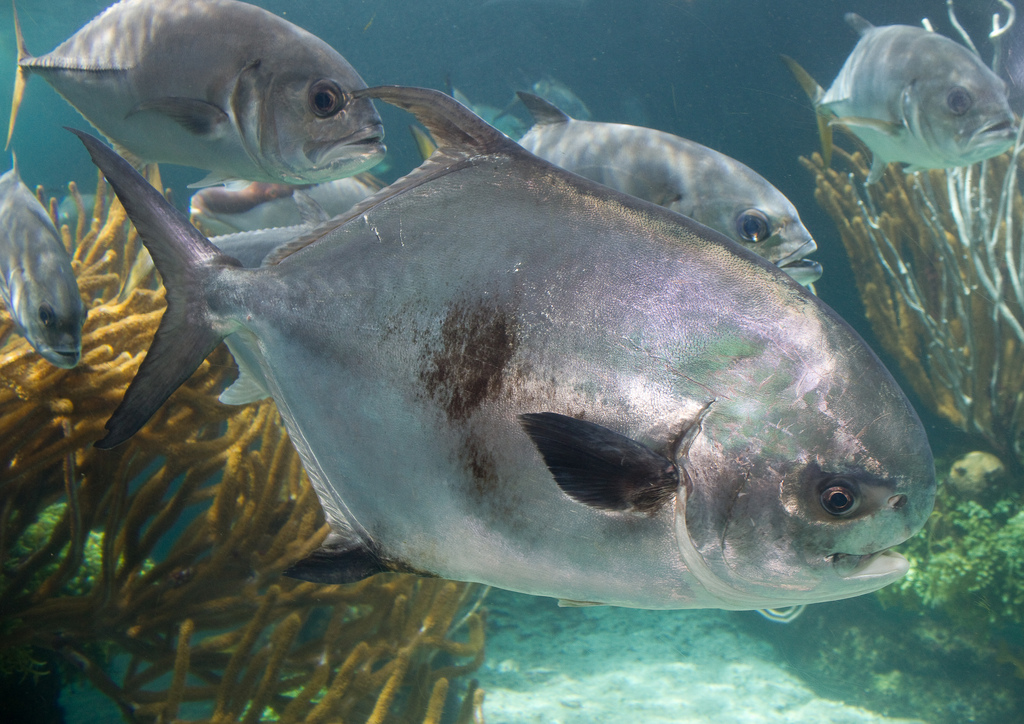
This Florida Keys fishing report covers late September, one of the quietest and most productive stretches of the year in the Keys. The summer crowds are gone, the water starts to cool just a little, and the Saturday full moon sets up a strong week. Permit are the lead target on the wrecks and oceanside flats, with mutton and yellowtail snapper on the reef. Plan around the full-moon current, which drives both the snapper and the permit.
What’s Hitting
Permit lead the list. Big schools gather on the wrecks in 60 to 120 feet and slide onto the oceanside flats on the higher tides. On the reef, mutton snapper feed on the full-moon tides, yellowtail chum up in 40 to 80 feet, and mangrove snapper stay steady at night.
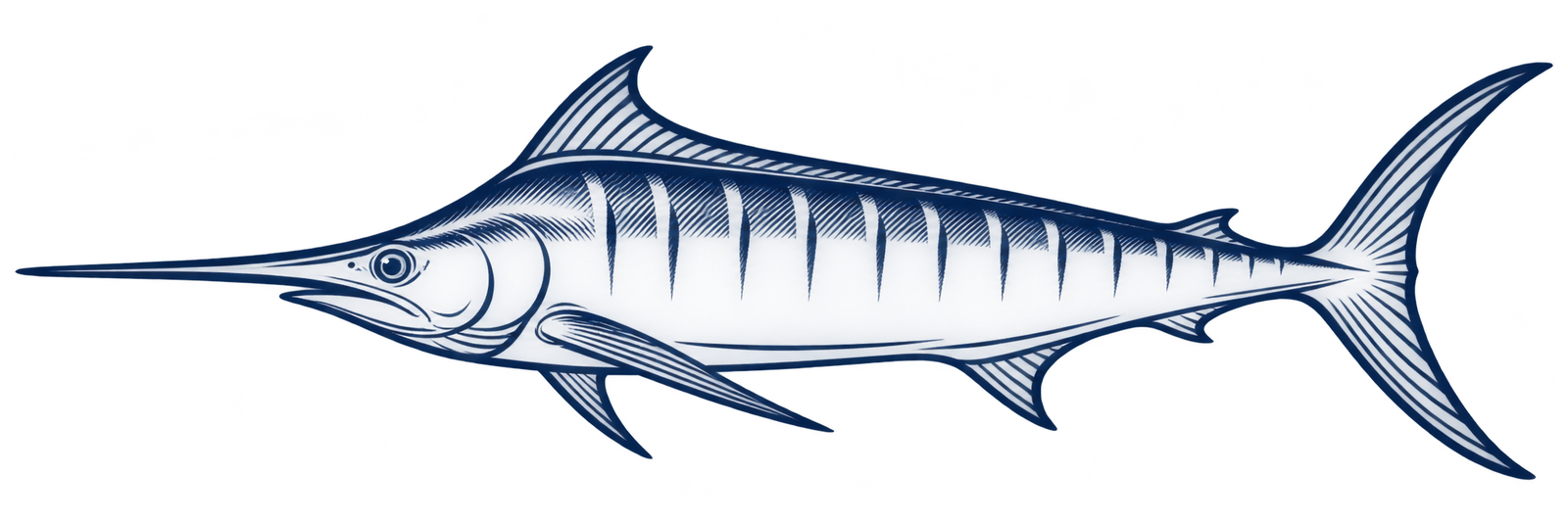
Bonefish turn more active with the slightly cooler mornings, and a few tarpon still roll in the channels. Offshore, mahi are scattered and the first sailfish of the fall appear along the reef edge.
Where to Find Them
For permit, the wrecks off Marathon and the Lower Keys are the most reliable bet, with the oceanside flats off Sugarloaf and Big Pine producing on the flood. Wrecks hold crabs and small baitfish and break the current, which is why permit school over them.
Mutton snapper sit on the reef edge from Alligator Reef down to Sombrero on the moving tide. Bonefish work the oceanside flats around Islamorada and the backcountry edges near Long Key. Tarpon stay in the Bahia Honda and Seven Mile Bridge channels at night.
Tides & Conditions
The full moon on Saturday means strong tides and good current on the reef, which is exactly what muttons and yellowtail want, since moving water carries a chum slick and natural food down the reef line. Water temperatures sit in the mid-80s and ease down. Expect light east winds with the usual chance of afternoon storms. Keep an eye on the tropics and the marine forecast before running offshore.
Tackle & Tactics
- Wreck permit: a live blue crab or pass crab on a 3/0 to 4/0 hook with 30-pound fluorocarbon, dropped right onto the school.
- Flats permit: go lighter, with a small crab or a permit jig.
- Muttons: a live ballyhoo or a pilchard on a knocker rig in a steady chum slick. The sinker slides down to the hook eye, keeping the bait on the bottom while it moves naturally.
- Yellowtail: light 12 to 15-pound fluorocarbon and a small hook buried in a silverside or a chunk of ballyhoo.
Local Intel This Week
Good public ramps include Harry Harris Park in Tavernier, the Founders Park ramp in Islamorada (check non-resident rules first), the 33rd Street ramp in Marathon and Spanish Harbor near Big Pine. Launch at Marathon or Spanish Harbor for the wrecks and the Lower Keys flats, and at Tavernier or Islamorada for the upper reef and the Islamorada bonefish flats. Fish concentrate on the wrecks for permit and on the reef edge for snapper. Much of the area lies within the Florida Keys National Marine Sanctuary, so check sanctuary zones too. Check current FWC and federal regulations and seasons before keeping fish.
This Week’s Tip
When permit are on the wreck and following baits without eating, cut your leader to 20-pound fluorocarbon and pinch the crab’s claws off. A smaller, more natural bait falling slowly gets eaten more often than a fresh crab that swims away.
Planning a trip to Florida Keys?
This report tells you what happened. ReelAI tells you what to do about it — a briefing for your date, your target species and how you're fishing, built from our reports plus live NOAA and USGS data.
Powered by ReelAI — fishing.digital's intelligence layer. Answers are generated from fishing.digital reports and public NOAA, NWS and USGS data, and may be incomplete or out of date. Regulations and marine safety information are summaries only; always confirm with the responsible authority before you fish.