Updated: Thursday, September 24, 2026 · Next update: Thursday, October 1, 2026
This NC Outer Banks fishing report covers late September, when the fall run builds on the Outer Banks. The first northeast winds stir up the surf, the mullet move down the beach and the red drum feed, including some big bull reds around the points and sloughs. Flounder work the inlets, and speckled trout and false albacore arrive for fall. The Saturday full moon and a stretch of northeast wind are the conditions to plan around, and they make it a great week to be on the sand.
What’s Hitting
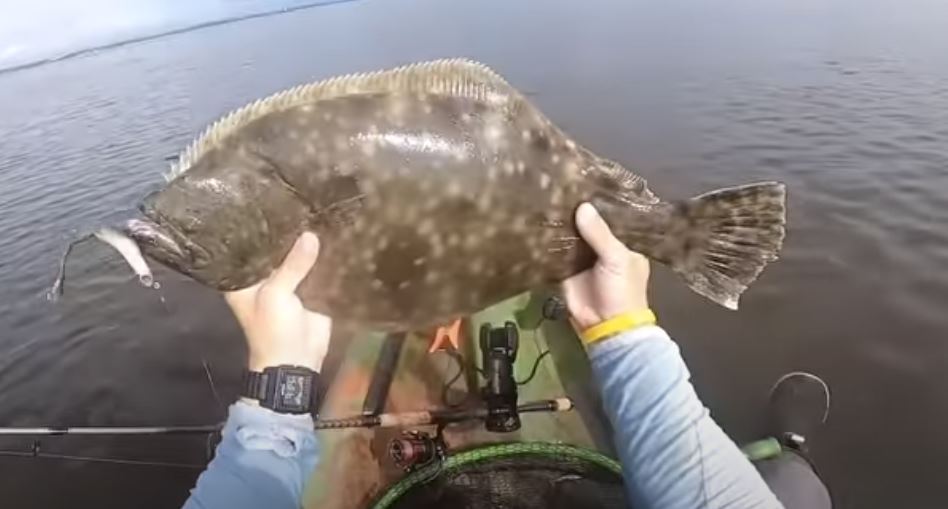
Red drum feed in the surf, especially around the points and sloughs. Black drum are also in the surf and around the inlets. Flounder sit at the inlets and in the sounds. Speckled trout show in the marshes and creeks, and false albacore start to arrive off Cape Lookout and Cape Hatteras. Spanish mackerel and bluefish are also in the surf.
Where to Find Them
Target drum in the surf around Cape Point, Oregon Inlet and Hatteras Inlet, in the sloughs and holes along the beach. Read the beach for sloughs and cuts, and set up where the water funnels, since those spots concentrate bait as waves drain back off the bar.
Flounder lie around structure at the inlets and in the sounds, ambushing bait swept past by the current. Speckled trout work the marshes and creeks of Pamlico Sound, and false albacore roam off the capes.
Tides & Conditions
The Saturday full moon and a stretch of northeast wind can make for rough surf conditions, which is often great for drum fishing because churned water dislodges crabs and baitfish and gives the fish cover to feed close to shore. Expect water temperatures in the mid-70s, and keep an eye on the weather this time of year.
Tackle & Tactics
- Drum: a heavy surf rod with a fish-finder rig and a large circle hook, baited with fresh cut mullet, menhaden or a whole blue crab.
- Flounder: a live mud minnow or a soft plastic on a jig head.
- Speckled trout: a soft plastic or a live shrimp under a popping cork.
- False albacore: small metal jigs or epoxy flies cast into the breaking fish.
- Bluefish: metal lures.
Local Intel This Week
The beaches at Cape Point and along the Cape Hatteras National Seashore are world-famous for surf fishing and are accessible by four-wheel drive where permitted. Check National Park Service rules for off-road vehicle permits and area closures before you drive on. Without a vehicle, fish Jennette’s Pier in Nags Head, the Avon and Rodanthe piers, the Bonner Bridge Pier or the Oregon Inlet Fishing Center. Fish concentrate in the sloughs and around the inlets.
Flounder and trout rules in North Carolina have changed in recent years. Check current state and federal regulations and seasons before keeping fish.
This Week’s Tip
When surf fishing for drum, look for the deep holes and sloughs close to shore. These are the areas where the fish feed, especially on a rising tide, so cast your bait to the edges of these deeper areas. Darker water and a break in the wave line usually mark a slough, so scan the beach before you set up.
Planning a trip to NC Outer Banks?
This report tells you what happened. ReelAI tells you what to do about it — a briefing for your date, your target species and how you're fishing, built from our reports plus live NOAA and USGS data.
Powered by ReelAI — fishing.digital's intelligence layer. Answers are generated from fishing.digital reports and public NOAA, NWS and USGS data, and may be incomplete or out of date. Regulations and marine safety information are summaries only; always confirm with the responsible authority before you fish.