Updated: Thursday, October 1, 2026 · Next update: Thursday, October 8, 2026
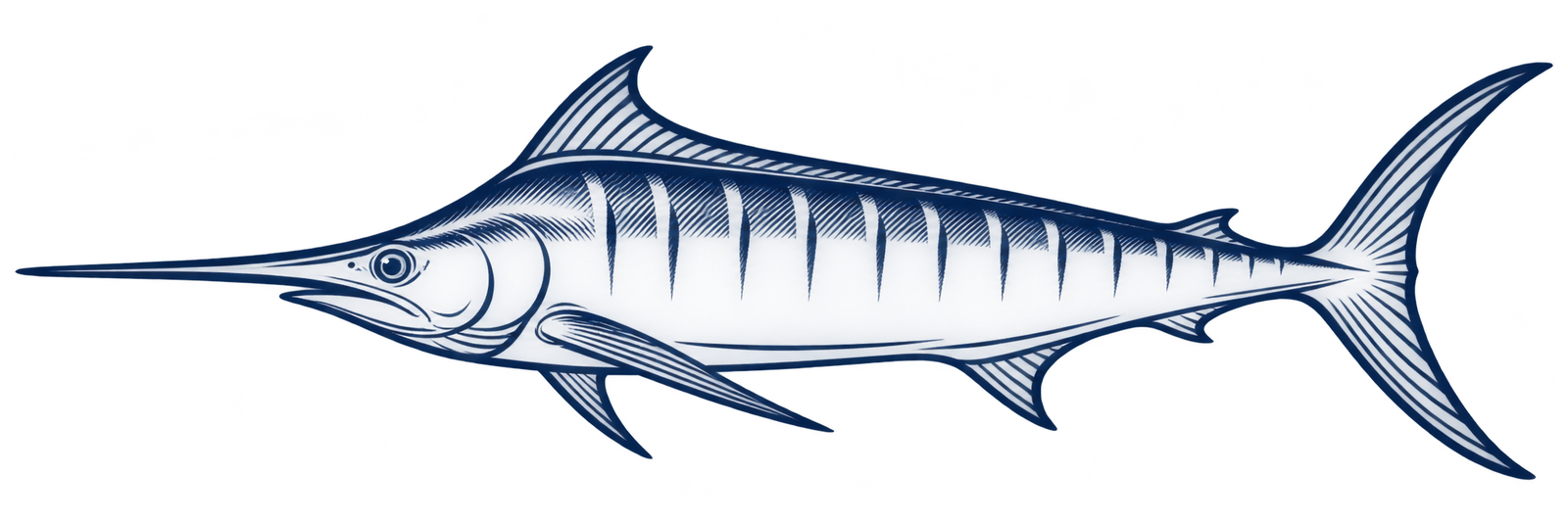
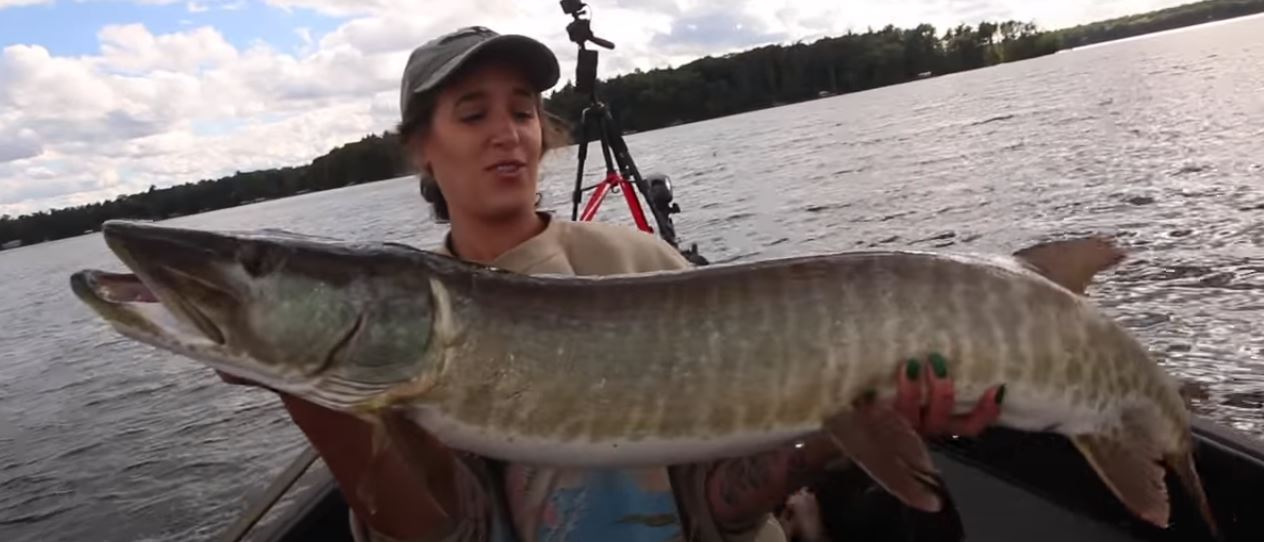
This Thousand Islands fishing report covers early October, the start of prime muskie season on the St. Lawrence River. The water cools, the fish feed heavily and the big muskie are on the move. Muskie are the lead target on the weed edges, shoals and deep breaks, while smallmouth group on the deeper shoals and pike fill the weedy bays. There are no tides, but the river current is strong, so plan around current, wind and weather. October is one of the best months of the year to chase a trophy.
What’s Hitting
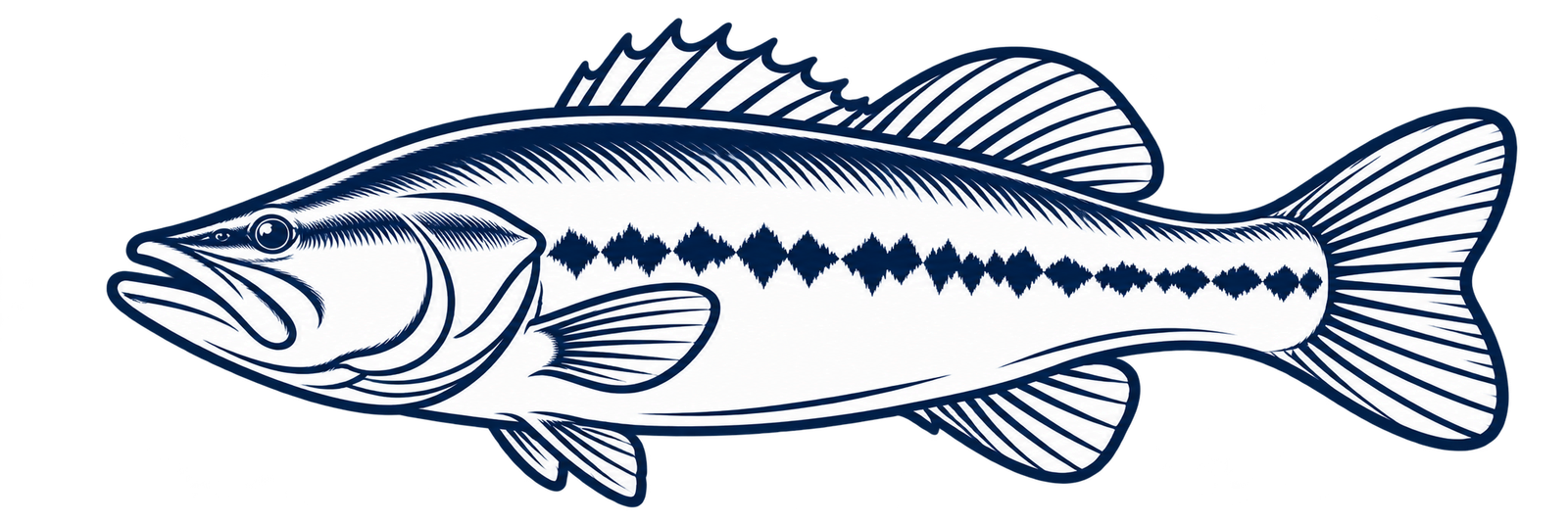
Muskie are on the fall pattern, feeding heavily as the water cools. Smallmouth bass feed on the shoals and drop-offs. Northern pike sit in the weedy bays. Walleye feed on the deeper structure, and yellow perch school up.
Where to Find Them
For muskie, fish the weed edges, the shoals and the drop-offs near the islands and the channels of the St. Lawrence River. Many of the biggest muskie of the year come from October into early December, when trollers work the deep breaks along the main shipping channel. Casters do best on the shallow weed edges near the islands on overcast, windy days. For smallmouth, target the rocky shoals and drop-offs in 15 to 30 feet, and use good electronics to find schools grouping on the deeper shoals in 20 to 35 feet. For pike, try the weedy bays near Clayton and Alexandria Bay. For walleye, fish deeper main-river structure.
Tides & Conditions
There are no tides on the St. Lawrence, but the current is strong and affects the fishing, so position the boat to work breaks with the flow. Wind and weather also matter, and dropping water temperatures trigger the fall feed. Check the forecast before heading out.
Tackle & Tactics
Go heavy for muskie:
- Muskie: a large bucktail, a jerkbait or a large swimbait on heavy tackle with a long, heavy leader.
- Smallmouth: a tube jig or a drop-shot rig.
- Pike: a spinnerbait or a spoon.
- Walleye: a jig with a minnow or a crankbait.
For trolling muskie, run large crankbaits along the deep breaks at 3 to 4 miles per hour. Use 80- to 100-pound braid and a fluorocarbon or wire leader, and keep a large net and long-nose pliers or jaw spreaders ready to release fish quickly.
Local Intel This Week
Boaters launch at the Clayton area ramps, the Alexandria Bay area ramps and the Wellesley Island State Park area, all close to the island weed edges and channel breaks. Cedar Point State Park, Keewaydin State Park and Tibbetts Point add more access along the river, with Tibbetts Point at the head of the river where Lake Ontario meets the St. Lawrence. Muskie carry their own season, and the river borders Canada, so New York State DEC and Ontario rules both matter. Check current state and federal regulations and seasons before keeping fish.
This Week’s Tip
Finish with a figure-eight. Muskie are known as the fish of 10,000 casts. When a muskie follows your lure to the boat, finish every retrieve with a figure-eight motion at boatside. Many muskie strike on the figure-eight after following the lure all the way in.
Planning a trip to Thousand Islands NY?
This report tells you what happened. ReelAI tells you what to do about it — a briefing for your date, your target species and how you're fishing, built from our reports plus live NOAA and USGS data.
Powered by ReelAI — fishing.digital's intelligence layer. Answers are generated from fishing.digital reports and public NOAA, NWS and USGS data, and may be incomplete or out of date. Regulations and marine safety information are summaries only; always confirm with the responsible authority before you fish.