
Updated: Thursday, October 29, 2026 · Next update: Thursday, November 5, 2026
This Fort Myers/Sanibel fishing report is a seasonal outlook for Pine Island Sound, Matlacha Pass and the Caloosahatchee River. Cooling water is steering snook toward the creeks and the river, while redfish and trout feed on the grass flats and oyster bars. The key variable is the first strong cold front, which tends to clear the water and trigger a feeding window.
What’s Hitting
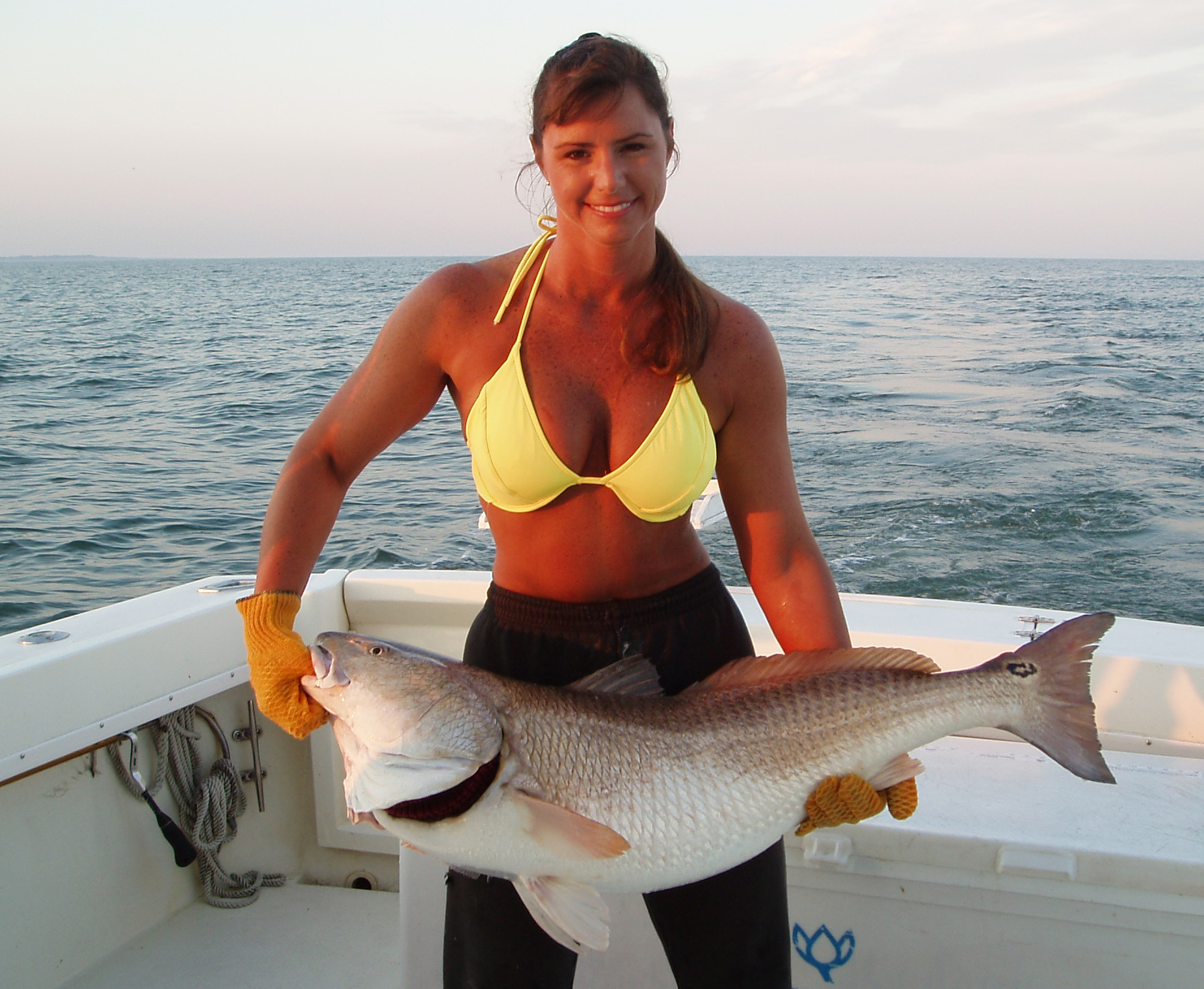
Redfish are the most consistent target, working oyster bars and mangrove shorelines around the sound. Snook hold at passes and creek mouths before shifting up the Caloosahatchee backwater as water cools. Speckled trout are on the grass flats, and sheepshead are starting on docks and bridges. Tarpon are fading from Boca Grande Pass but can still be found on warm days, and Spanish mackerel hold along the beaches. Mangrove snapper and jacks also appear around docks and the Sanibel Causeway on cooler mornings, adding variety when trout or redfish are slow.
Where to Find Them
In Pine Island Sound, the grass flats near Cayo Costa and Useppa hold trout, and the oyster bars around Matlacha Pass hold redfish. The mouths of creeks along the Caloosahatchee, and the docks near Cape Coral canals, hold snook and sheepshead. Sanibel’s causeway and Blind Pass hold snook and mackerel on a moving tide. The canals of Cape Coral and the seawalls near Punta Rassa hold snook and redfish at night, especially near dock lights.
Tides & Conditions
The waning moon eases tide strength, but passes still funnel bait on the outgoing tide. In the sound, the falling tide pulls fish off the flats toward channel edges, while the rising tide spreads them onto the grass. Wind from the north can lower water and spook fish in the shallows, so protected shorelines are often better after a front.
Tackle & Tactics
Live shrimp or pilchards under a popping cork cover trout and redfish. For snook, a live pilchard or a paddle-tail on a quarter-ounce jighead along mangrove edges. For sheepshead, fiddler crabs or shrimp on a small strong hook. Use 20 pound fluorocarbon in clear water, and slow your retrieve as the water cools. A small white bucktail jig bounced along the edge of a mangrove shoreline often triggers snook strikes when live bait is scarce.
Local Intel This Week
Public access includes the Bokeelia boat ramp on Pine Island, Matlacha Pass launches, the Sanibel Causeway islands and the Cape Coral Yacht Club. Fish concentrate on oyster bars, creek mouths and the passes, particularly on the outgoing tide. Check current state and federal regulations and seasons before keeping fish, especially snook, redfish and trout.
This Week’s Tip
Read the wind before the tide. A protected mangrove shoreline in a north wind will hold warmer water and more bait than an exposed flat. Switch to the protected side of an island when wind builds. A calm pocket on the lee shore often holds the best fishing of the day.
Planning a trip to Fort Myers/Sanibel?
This report tells you what happened. ReelAI tells you what to do about it — a briefing for your date, your target species and how you're fishing, built from our reports plus live NOAA and USGS data.
Powered by ReelAI — fishing.digital's intelligence layer. Answers are generated from fishing.digital reports and public NOAA, NWS and USGS data, and may be incomplete or out of date. Regulations and marine safety information are summaries only; always confirm with the responsible authority before you fish.