
Updated: Thursday, November 5, 2026 · Next update: Thursday, November 12, 2026
This Alaska fishing report is a seasonal outlook for the week of November 5, written with caution because conditions vary enormously across a state this large. Daylight is shrinking fast, freeze-up is advancing in the interior, and storms in the Gulf of Alaska often decide whether boats can leave harbor. The new moon on November 9 adds tidal swing on the coast.
What’s Hitting
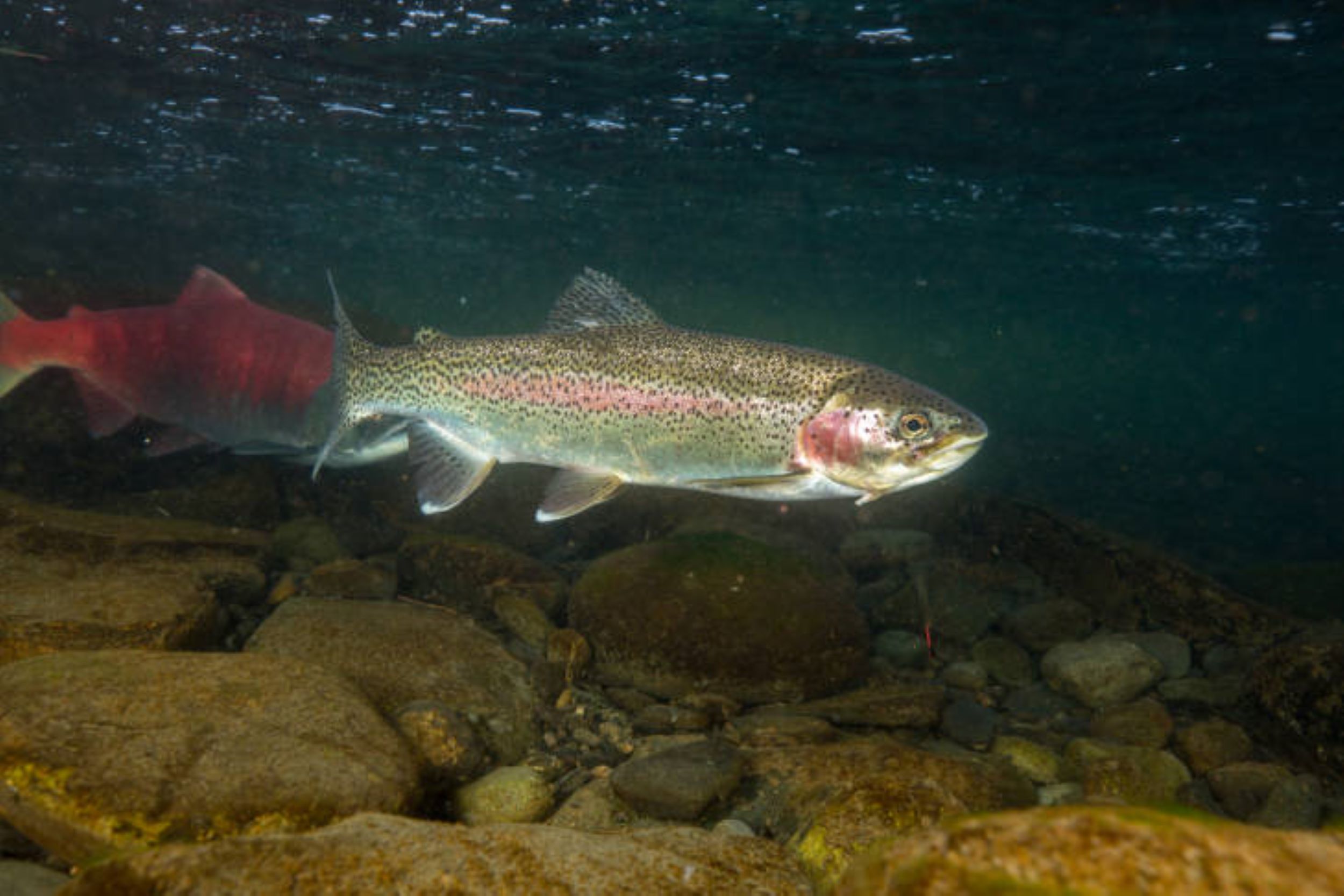
In Southcentral and Southeast Alaska, steelhead and late-run rainbow trout are generally the focus on rivers that remain open and ice-free, though clarity and flow depend heavily on recent rain or freezing. Saltwater anglers with sheltered access, particularly in Southeast, may find lingcod and yelloweye or other rockfish near rocky structure when weather allows. Silver salmon are largely finished in most places, but late fish can linger in a few systems. Northern and interior waters are mostly turning to ice, so open-water fishing is limited. Expect fewer people, shorter days and a premium on safety and patience. Fishing in Alaska in November is very much a matter of local knowledge, so a call to a nearby harbor or sporting goods store is worthwhile.
Where to Find Them
In Southcentral, rivers on the Kenai Peninsula, including the Kenai and Kasilof systems, are traditional late-season destinations when they stay open. Resurrection Bay near Seward and the waters around Kodiak can offer saltwater options in a calm window. In Southeast, protected channels near Sitka, Juneau and Ketchikan allow boats to find rocky reefs and pinnacles. Interior lakes and streams around Fairbanks and Anchorage may be covered with early ice, which creates a different set of risks and opportunities. Prince William Sound and the Copper River drainage near Cordova and Valdez are also worth a look in sheltered bays, though access depends on ferry or road conditions and weather.
Tides & Conditions
Along the coast, large tides near the November 9 new moon can create strong current in narrow passages and bays, so timing matters for safety as well as fishing. Rockfish and lingcod tend to be easier to fish near slack water, when baits and jigs hold bottom. On rivers, the main variable is water level and ice, not tide; rain can blow out a river and a freeze can shut it down. With daylight so short, fishing hours are brief, and weather windows may matter more than any lunar influence.
Tackle & Tactics
For steelhead and rainbow trout, a medium-heavy eight to nine foot spinning or fly rod, with egg patterns, beads, small jigs or streamers, is typical. In saltwater, use a stout conventional rod with braided line, jigs, swimbaits or herring for lingcod and rockfish, and expect to lose a few lures to rocks. Dress for freezing conditions with insulated waterproof gear, wading boots with studs or cleats, and extra gloves. Always carry a means of communication and an emergency kit, because help can be far away. Spare line, extra terminal tackle and a compact first-aid kit belong in every pack.
Local Intel This Week
Public access points vary widely. In Anchorage, Ship Creek near downtown is a well-known urban fishery, though its runs are usually earlier. On the Kenai Peninsula, Seward Small Boat Harbor and the Homer Spit are staples for saltwater anglers. In Southeast, Sitka’s Crescent Harbor and Juneau’s Auke Bay ramp are common launching points. Check current state and federal regulations and seasons before keeping fish. Alaska rules often differ by management area and change by emergency order, so read the latest local notice. Whatever the water, ice or snowpack can close roads and boat ramps early, so check conditions. Whatever the water, ice or snowpack can close roads and boat ramps early, so check conditions with the local harbor office, state park staff or road report before you leave town.
This Week’s Tip
Before driving to a river, check a recent water-level and ice report, then pack an extra layer and a thermos. Fish the slower seams beside the main current, where steelhead often rest, rather than the fast water. Always tell someone your plan and expected return time.
Planning a trip to Alaska?
This report tells you what happened. ReelAI tells you what to do about it — a briefing for your date, your target species and how you're fishing, built from our reports plus live NOAA and USGS data.
Powered by ReelAI — fishing.digital's intelligence layer. Answers are generated from fishing.digital reports and public NOAA, NWS and USGS data, and may be incomplete or out of date. Regulations and marine safety information are summaries only; always confirm with the responsible authority before you fish.