Updated: Thursday, September 17, 2026 · Next update: Thursday, September 24, 2026
Mid-September is prime time on the Cape, and this Cape Cod fishing report focuses on the action that defines it: false albacore blitzing the south side, stripers returning to the Cape Cod Canal as cool nights push bait through the ditch, and bluefin tuna within reach of the outer beaches. Fish follow the bait, so plan each trip around birds, breaking fish and the Canal tide.
What’s Hitting
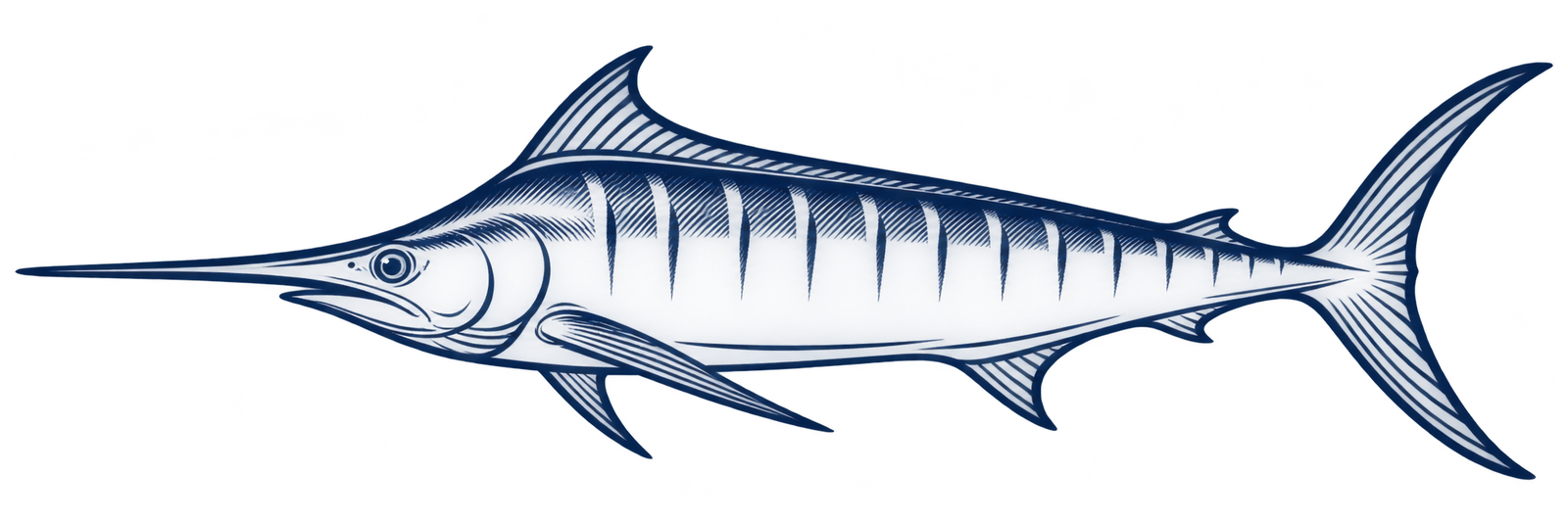
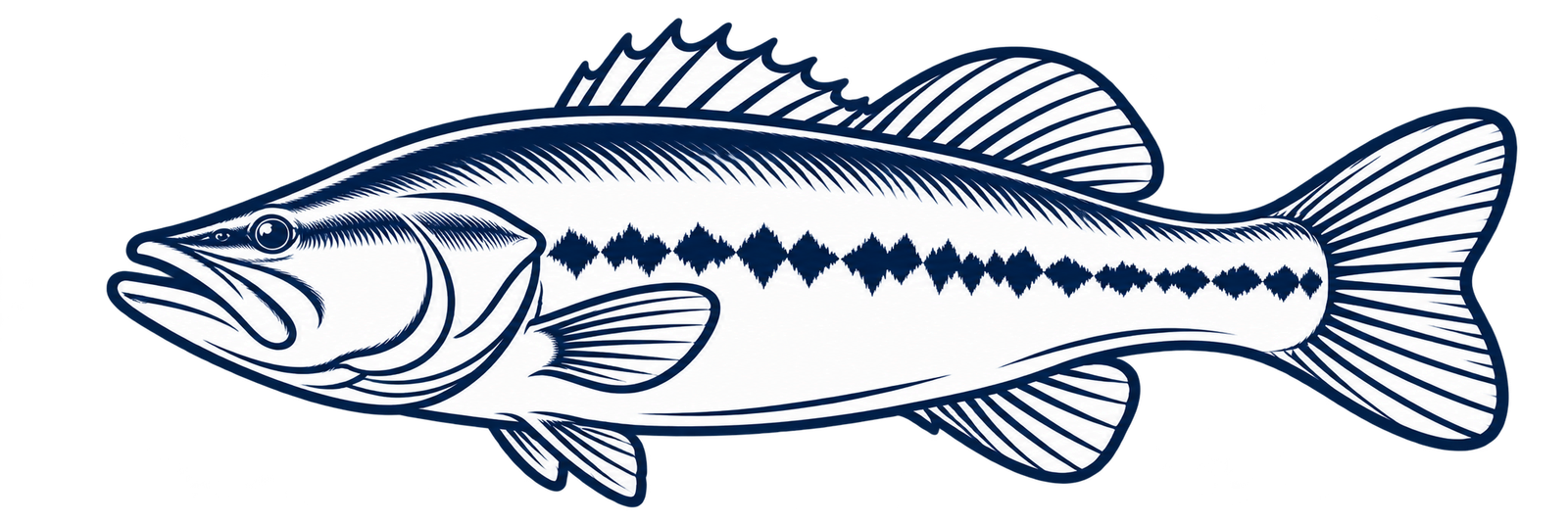
False albacore are the headline. They blitz bay anchovies and silversides from Woods Hole and Falmouth east through Waquoit, Hyannis and Bass River, and around the Monomoy rips off Chatham, with bonito mixed in toward the western end. Striped bass return to the Canal in numbers, with keeper fish and the chance at 30-pounders on the east tide. Bluefish work the outer beaches and rips, and bluefin tuna from school size to giants hold within sight of the outer beaches off Chatham and Provincetown. A few keeper fluke remain on the south-side flats before that season closes.
Where to Find Them
Albies go wherever the bait goes, and it moves daily. Check the Woods Hole passages, the Falmouth beaches, the mouth of Waquoit Bay and the Monomoy rips, and look for birds and breaking fish. In the Canal, focus on the east end and the middle stretches during the first two hours of the east tide, when fish often break on the surface at first light. Stripers also cruise the bayside beaches around Sandy Neck and Barnstable Harbor at dawn. For bluefin, look for bait schools in 60 to 150 feet east of Chatham.
Tides & Conditions
Moderate tides between the moons mean a softer Canal current and a longer window on the breaking tide. South-side water in the mid to upper 60s and low 60s on the bay is right where albies and stripers want it. Light northwest winds keep the outer beaches fishable; a strong southwest breeze can push bait and fish away from the open beaches, so have a protected backup spot in mind.
Tackle & Tactics
For albies, throw a small epoxy jig, a metal such as a Deadly Dick or a soft-plastic bay anchovy imitation on 15- to 20-pound fluorocarbon, retrieved fast, with a 7- to 8-foot medium spinning rod and 15- to 20-pound braid. Fly anglers want a 9-weight and a small anchovy pattern. In the Canal, bounce a 3- to 4-ounce jig on the bottom during the east tide, or switch to a pencil popper when fish break, on an 11-foot rod with 50-pound braid. For bluefin, live mackerel or bluefish on stand-up tackle, or a trolled spread of squid bars for school fish. See our striped bass fishing guide for Canal presentations.
Local Intel This Week
The Falmouth Harbor ramp and the Great Harbor ramp in Woods Hole are the closest launches to the western albie grounds, with the Bass River and Hyannis ramps serving the mid-Cape and the Ryder’s Cove ramp in Chatham for Monomoy. Canal anglers can access the water along both service roads between the Sagamore and Bourne bridges, at the Herring Run and at the east end. Focus on bait along the south side and on the Canal’s east tide.
Check current state and federal regulations and seasons before keeping fish.
This Week’s Tip
When albies are blitzing, do not run the boat into the school. Position up-current, let the fish come to you and cast to the edge of the breaking fish. If they sound, stay put; they usually resurface within casting range in a few minutes.
Planning a trip to Cape Cod?
This report tells you what happened. ReelAI tells you what to do about it — a briefing for your date, your target species and how you're fishing, built from our reports plus live NOAA and USGS data.
Powered by ReelAI — fishing.digital's intelligence layer. Answers are generated from fishing.digital reports and public NOAA, NWS and USGS data, and may be incomplete or out of date. Regulations and marine safety information are summaries only; always confirm with the responsible authority before you fish.