
Updated: Thursday, July 23, 2026 · Next update: Thursday, July 30, 2026
This Chesapeake Bay fishing report for late July covers the peak stretch of the summer cobia season. Sight boats find fish on the surface from the mouth of the Bay up past the Target Ships, chummers work the York Spit and Latimer Shoal grounds, and the bottom fleet stays busy on spot, croaker and the summer mixed bag. Big red drum remain schooled around the Chesapeake Bay Bridge-Tunnel islands. The main condition to plan around is the building moon, which puts strong current through the bridge-tunnel and shapes when the chum slick holds together.
What’s Hitting
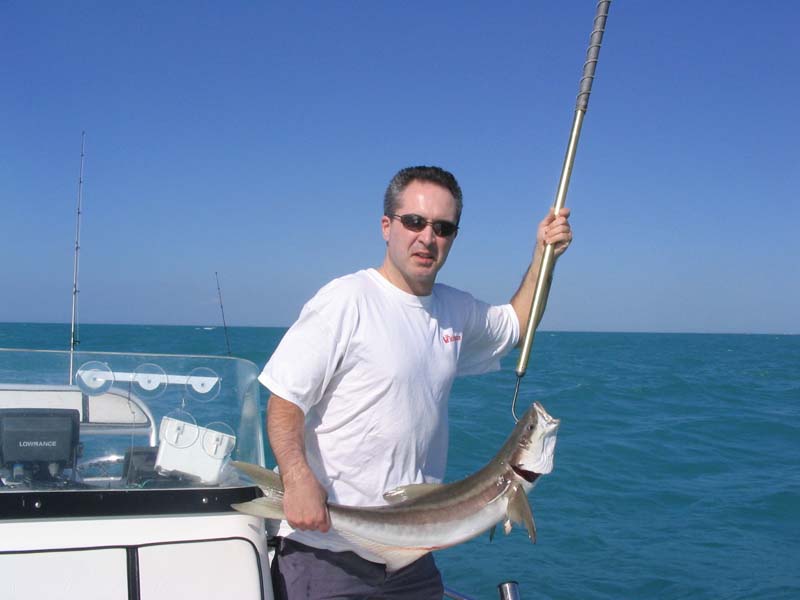
Cobia are the main event, with fish from just-legal to 60-plus pounds cruising the surface on calm mornings. When the sight conditions fade, chumming on the York Spit and Latimer Shoal grounds keeps fish coming steadily. Big red drum school around the CBBT islands and the Eastern Shore shoals, and nearly all of them go back.
Spot and croaker are thick on the hard bottom, Spanish mackerel run the rips, and speckled trout pick up in the shallows of Mobjack Bay and the Poquoson flats at dawn.
Where to Find Them
Cobia: the buoy lines, channel edges and open water from the CBBT north to the targets, and the markers from the Bay mouth up toward the Rappahannock. Height helps, so tower boats win the sight game.
Spot: the classic hard-bottom lumps off Ocean View and inside the Poquoson flats. Croaker spread over the hard bottom and oyster bars throughout the lower Bay, and the bridge-tunnel islands are a good bet for both cobia and croaker. Spanish: the tide rips at the Bay mouth.
Tides & Conditions
The building moon means stronger current through the bridge-tunnel, so plan cobia chunking around the slower tide windows, when the slick holds together instead of stretching thin. Bay temperatures sit in the mid-80s, and calm, hazy mornings are exactly what the sight fishery wants.
Tackle & Tactics
- Sight cobia: a 3-ounce bucktail with a big curly tail, a large soft plastic, or a live eel pitched ahead of the fish on 60-pound leader. Cruise the buoys and markers on calm, sunny mornings with a rod ready.
- Chunking: chum with ground menhaden on the channel edges and drop a live eel or a chunk of fresh bunker back into the slick on a fish-finder rig, with a ray-proof attitude.
- Spot and croaker: a standard two-hook bottom rig with bloodworms, squid or Fishbites on hard bottom. The croaker bite is often best in the evening.
- Spanish: small spoons behind #1 planers at 6 knots.
Local Intel This Week
The Lynnhaven and Vista Point (Norfolk) ramps serve the southern Bay and put you closest to the bridge-tunnel and the Bay mouth rips. Messick Point in Poquoson covers the flats and the York Spit grounds, and the Gwynn’s Island ramp works for Mobjack Bay and the middle Bay. Fish concentrate at the Bay mouth and along the channel edges, so pick the ramp that shortens that run. Cobia rules are specific, change from year to year and differ between Virginia and Maryland. Check current state and federal regulations and seasons before keeping fish.
This Week’s Tip
Sight-fishing cobia, the first cast matters more than the perfect cast. Get the bucktail four feet in front of the fish while it is still unaware. A cobia that has seen the boat will follow for a hundred yards and never commit.
Planning a trip to Chesapeake Bay?
This report tells you what happened. ReelAI tells you what to do about it — a briefing for your date, your target species and how you're fishing, built from our reports plus live NOAA and USGS data.
Powered by ReelAI — fishing.digital's intelligence layer. Answers are generated from fishing.digital reports and public NOAA, NWS and USGS data, and may be incomplete or out of date. Regulations and marine safety information are summaries only; always confirm with the responsible authority before you fish.