Updated: Thursday, May 14, 2026 · Next update: Thursday, May 21, 2026
This Chesapeake Bay fishing report covers mid-May, when the Bay makes its annual transition. Cobia are the lead species, with the first solid push arriving at the Chesapeake Bay Bridge-Tunnel, where boats sight-cast to fish along the pilings and rock islands. Stripers go deeper as the water warms, red drum return to the lower Bay, and summer species start to set up. Plan around the Saturday new moon, whose soft tides are ideal for sight-casting cobia.
What’s Hitting
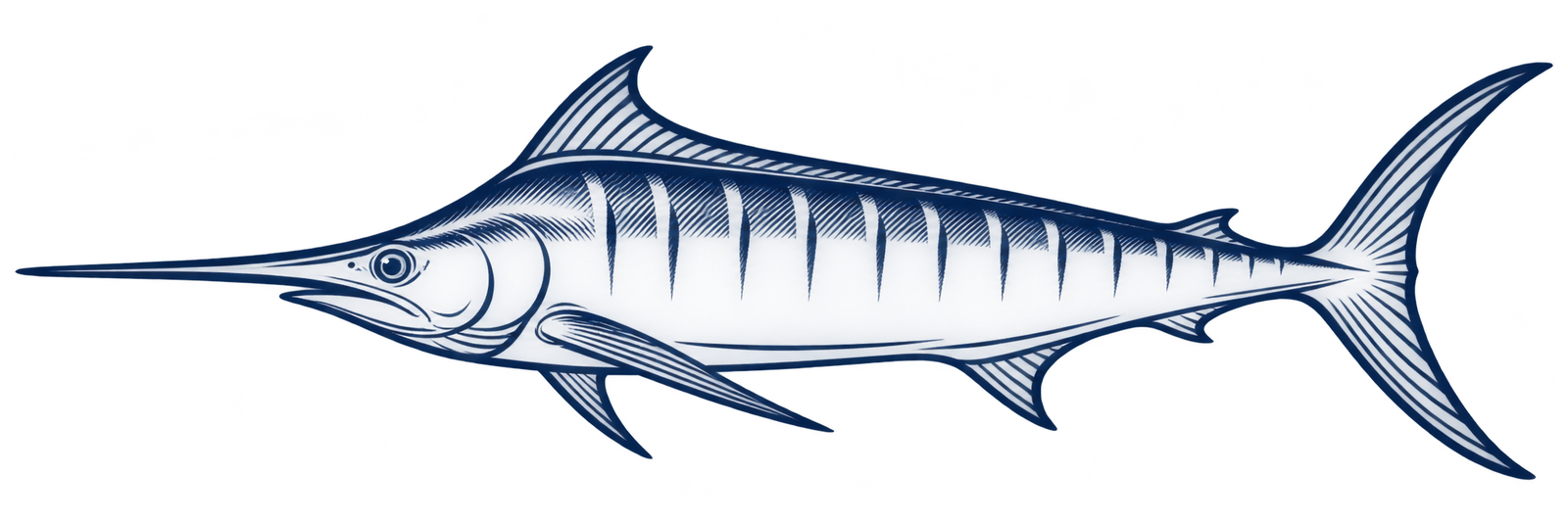
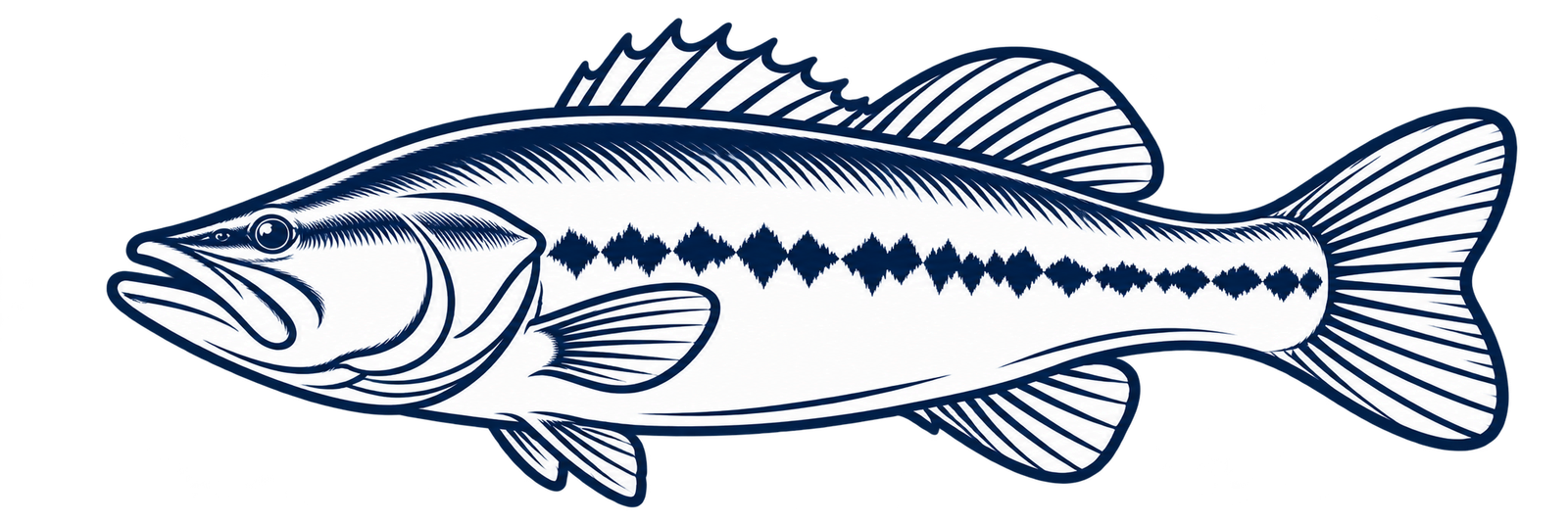
Cobia lead, and some fish in the 50-plus lb range show up earlier than usual; the run builds hard over the next two weeks. The trophy spring striper run is past peak as water temperatures climb past 65°F, big breeders push back out to the ocean, and the fish that remain go deeper. The upper Bay still sees schoolies blitzing in the rivers.
Red drum, including some big bulls, return to the lower Bay. Croaker numbers build bay-wide, with spot to follow, and Spanish mackerel should show by month’s end. Flounder scatter through the Bay, Tangier Sound offers the first sea trout of the year, and this is the last week for tautog before the season closes.
Where to Find Them
For cobia, work the CBBT pilings from the first island to the third and look for fish on the surface; the 4th island holds bigger fish in the 50-plus class. Latimer Shoal and the Plantation Light area also produce, and Latimer Shoal holds bull reds on the deep edges.
Deep stripers sit in the Cell and along the deep edges of the channel. The mouth of the Potomac offers schoolies blitzing on the surface, the upper Bay flats around Rappahannock put stripers on the dawn bait, and Tangier Sound holds stripers along with those first trout. Flounder anglers do best in the channels at Cape Charles and around the inshore wrecks off Virginia Beach. Croaker spread through 20–40 feet bay-wide.
Tides & Conditions
Expect water temperatures of 65–68°F. The new moon falls Saturday, bringing soft tides this weekend that are ideal for sight-casting cobia. Light south winds blow Wednesday and Thursday, building Saturday. The CBBT at sunrise is the call, when low light and flatter water make cruising cobia easier to spot.
Tackle & Tactics
- Cobia: 1.5–2 oz bucktails in chartreuse and white sight-cast to surface fish, or live eels and small live spot for boats willing to chum and wait on the rocks.
- Stripers: umbrella rigs and parachutes trolled at 20–40 feet along the deep channel edges, and 25–40 feet in the Cell.
- Surface schoolies: small plugs and metal lipless cranks.
- Flounder: drift the channels with live minnows and a squid strip.
- Croaker: bloodworms on a high-low rig.
- Tautog: green crab on the inshore wrecks and structure.
Local Intel This Week
The Chesapeake Bay Bridge-Tunnel pilings hold the first cobia of the year; sight-cast bucktails or chum live spot on the rocks. Kiptopeke State Park, near the Eastern Shore end of the CBBT, offers public access, and the Cape Charles channels are close by for flounder. Latimer Shoal holds bull red drum on the deep edges, and Tangier Sound offers stripers and trout. A Virginia saltwater license is required. Check current state and federal regulations and seasons before keeping fish.
This Week’s Tip
When sight-casting cobia at the CBBT, run the pilings slowly and scan the surface around each island before committing. Land a chartreuse-and-white bucktail a few feet ahead of a cruising fish and work it back past its nose rather than dropping it right on top.
Planning a trip to Chesapeake Bay?
This report tells you what happened. ReelAI tells you what to do about it — a briefing for your date, your target species and how you're fishing, built from our reports plus live NOAA and USGS data.
Powered by ReelAI — fishing.digital's intelligence layer. Answers are generated from fishing.digital reports and public NOAA, NWS and USGS data, and may be incomplete or out of date. Regulations and marine safety information are summaries only; always confirm with the responsible authority before you fish.