
Updated: Thursday, July 23, 2026 · Next update: Thursday, July 30, 2026
This Daytona & Space Coast fishing report for late July is no time for summer doldrums. Schooling redfish push wakes across the Mosquito Lagoon flats at first light, Ponce Inlet is loaded with spawning snook, and the first serious bait pods of late summer draw tarpon within casting range of the beach. The main conditions to plan around are hot, clear lagoon water that rewards stealth and tides building into the month-end full moon, which strengthen the inlet current.
What’s Hitting
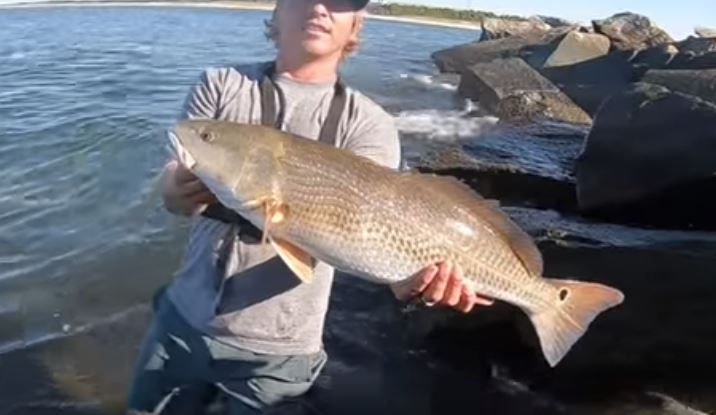
Redfish lead the way, with slot fish and better schooled up on the lagoon flats, best in the first two hours of light before boat traffic scatters them. Snook are thick at Ponce Inlet and around the North Causeway, all catch-and-release with the Atlantic season closed until September.
Tarpon and big jacks run the beach bait pods from Ormond south, and mangrove snapper are steady around the inlet rocks and docks. In the surf, whiting and croaker take shrimp in the wash.
Where to Find Them
Reds are on the classic Mosquito Lagoon sight-fishing water: Tiger Shoal, the Whale Tail and the spoil edges near Haulover Canal. Snook sit on the inlet jetty rocks and bridge fenders on moving water.
Beach tarpon are wherever the pogies are, so run the trough at dawn and look for showering bait. Check the surf before the wind comes up, when tarpon and big jacks crash bait just beyond the bar.
Tides & Conditions
Building tides into the month-end full moon mean stronger inlet current. The snook feed harder, but you’ll need more lead for snapper.
Lagoon water is hot and clear, so long casts and quiet feet matter more than fly-versus-bait debates. In shallow, clear water, reds feel every hull slap and push-pole thump.
Tackle & Tactics
- Sight-fished reds: a weedless gold spoon, or a cut mullet chunk soaked ahead of the school.
- Inlet snook: flair hawks after dark or live croakers on the outgoing.
- Beach tarpon: an 8000-class spinner, 60-pound leader and a swimbait matched to the pogies.
- Surf: a heavy spinning rod on the sand next to your bottom rods covers the whiting and tarpon games at once.
Local Intel This Week
Port Orange Causeway ramp and the Dunlawton area serve the Halifax. JB’s Fish Camp and the Haulover Canal ramp put you on the lagoon close to the sight-fishing flats, and Lighthouse Point Park gives shore access to the inlet action. Smyrna Dunes Park on the south side of Ponce Inlet and Riverbreeze Park in Oak Hill are additional public access points.
Focus on bait and moving water; the mid-lagoon dead zones are empty at midday. Snook stay catch-and-release. Check current FWC and federal regulations and seasons before keeping fish.
This Week’s Tip
On the lagoon, the first pushing wake you see usually isn’t the whole school. Stake out and wait two minutes. The main body is often 50 yards behind the scouts, and casting too early costs you all of them.
Planning a trip to Daytona/Space Coast?
This report tells you what happened. ReelAI tells you what to do about it — a briefing for your date, your target species and how you're fishing, built from our reports plus live NOAA and USGS data.
Powered by ReelAI — fishing.digital's intelligence layer. Answers are generated from fishing.digital reports and public NOAA, NWS and USGS data, and may be incomplete or out of date. Regulations and marine safety information are summaries only; always confirm with the responsible authority before you fish.