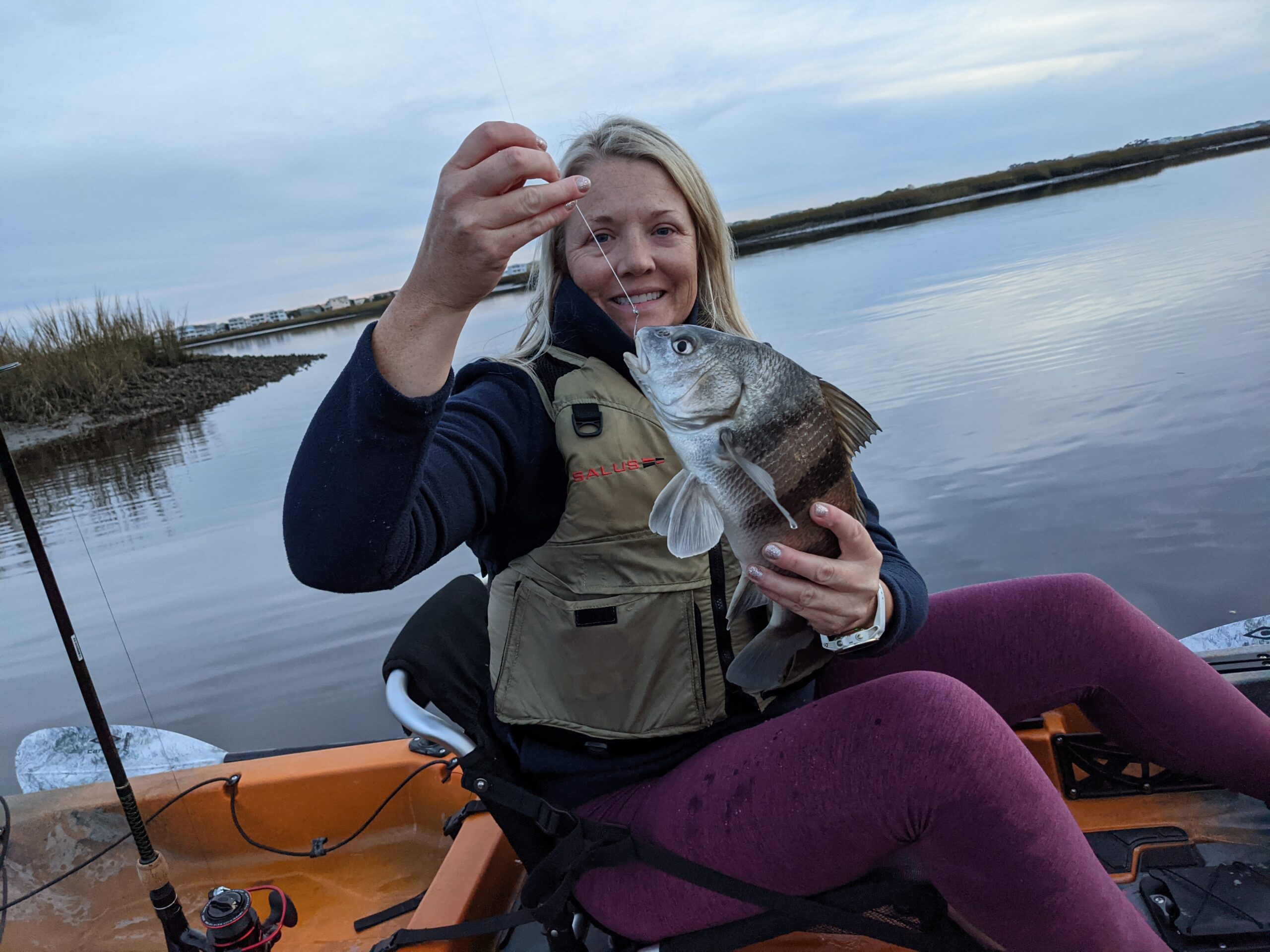
The Indian River Lagoon is a long, shallow estuary stretching along Florida’s east coast. Its grass flats, mangrove shorelines, spoil islands, docks, bridges, channels, and inlets support redfish, spotted seatrout, snook, tarpon, black drum, sheepshead, and seasonal pelagics near ocean connections. The lagoon can be remarkably productive, but water quality, wind, salinity, and seagrass condition vary greatly from one reach to another.
Use this evergreen guide for trip planning, then consult the latest Indian River Lagoon fishing report and the Indian River Lagoon report archive for current context.
Where to Fish
Sebastian Inlet connects the lagoon to the Atlantic and concentrates snook, redfish, tarpon, flounder, mackerel, and bait around strong current. North and south of the inlet, focus on grass edges, mangrove shorelines, docks, and spoil islands. Farther north, the broader lagoon and Banana River sections offer shallow flats and canal systems, though local habitat conditions should guide where you spend time.
Look for signs of healthy water: visible bait, active birds, current, firm bottom, and living grass where present. Avoid running across shallow vegetation. A trolling motor, push pole, paddle craft, or drift can reach fish without scarring habitat or alerting an entire flat.
Best Species by Season
Winter: Black drum, redfish, trout, and sheepshead are reliable. Deeper channels, sun-warmed flats, and sheltered shorelines become important after fronts.
Spring: Warming water increases snook and trout activity, while redfish spread across flats and shorelines. Bait returns near inlets.
Summer: Fish at first light for trout, redfish, snook, and tarpon. Heat, low dissolved oxygen, and storms make careful fish handling essential.
Fall: Mullet movement can trigger some of the year’s most exciting inshore fishing near shorelines, bridges, and inlets. See the Indian River Lagoon seasonal fishing calendar for month-by-month expectations.
Tackle and Tactics
A 7-foot medium spinning outfit with 10- to 15-pound braid is ideal for open flats; move to medium-heavy tackle around docks, bridges, mangroves, and large snook. Paddletails, jerk shads, shrimp imitations, topwaters, and live shrimp cover most situations. Use natural colors and longer leaders in clear water, then add vibration or scent when visibility drops.
Do not chase surface wakes across a flat. Set up ahead of moving fish, let them approach, and make one accurate cast. Around inlets and bridges, fish the edges of current rather than the strongest flow. Match lure weight to depth so the presentation stays controlled without dragging bottom.
Boat Ramps and Public Access
- Sebastian Inlet State Park: shore and jetty access near the inlet, with nearby launch options for the lagoon.
- Wabasso Causeway: public shoreline and small-craft access to central lagoon water.
- Round Island Riverside Park: kayak and shoreline access south of Vero Beach.
- Donald MacDonald Park: a public launch serving the Sebastian River and lagoon.
Confirm current ramp hours, fees, parking, and weather closures. Inlet currents and ocean swell can be hazardous; shallow lagoon flats pose different risks, including submerged bars and habitat damage.
How to Plan a Productive Day
Because the lagoon spans many communities and habitat types, define a small search area before launching. Begin with the best-looking grass edge, mangrove point, dock line, or inlet-adjacent flat available in that section. Give each area enough time to reveal bait and current, but do not stay in lifeless water simply because it produced on a previous trip.
Wind can improve fishing by creating current and breaking up the surface, but it can also muddy shallow flats. Use the protected shore when clarity is important, or work the windward side when bait is being pushed against structure. During hot months, plan a short dawn session and stop before water temperature and handling stress become excessive.
Local preparation also matters: carry drinking water, sun protection, navigation, and a charged communication device. Many lagoon stretches look similar after dark or in rain. Mark the ramp before leaving, respect slow-speed zones, and give wildlife and shallow habitat generous clearance.
Regulations, Conservation, and Trip Planning
Check current FWC regulations, seasons, protected zones, and temporary closures before keeping fish. Release trophy redfish and trout carefully, support the fish horizontally, and minimize air exposure. Report fish kills or pollution concerns through the appropriate state channels.
For a versatile setup, review our saltwater rods under $200 guide and the broader seasonal fishing guide hub. Success in the lagoon comes from choosing healthy water, moving quietly, and adjusting to local conditions rather than treating the entire estuary as one uniform fishery.
Planning a trip?
This report tells you what happened. ReelAI tells you what to do about it — a briefing for your date, your target species and how you're fishing, built from our reports plus live NOAA and USGS data.
Powered by ReelAI — fishing.digital's intelligence layer. Answers are generated from fishing.digital reports and public NOAA, NWS and USGS data, and may be incomplete or out of date. Regulations and marine safety information are summaries only; always confirm with the responsible authority before you fish.