Maine & New Hampshire Coast Fishing Guide — Stripers, Bluefish, Tuna
The Gulf of Maine — from the rocky coves of Kittery to the granite ledges of Mount Desert Island — is one of the most productive cold-water fisheries on the U.S. East Coast. Striped bass migrate in by mid-May, bluefin tuna prowl Stellwagen Bank and Jeffrey’s Ledge in summer, and groundfish action is steady all season.
Why Maine & New Hampshire?
The Maine and NH coast offers a dramatic mix of inshore and offshore fishing within a short run from port. The Piscataqua River, Kittery, York, and Portsmouth give quick access to the open Atlantic. Casco Bay (Portland), Penobscot Bay (Rockland/Camden), and Mount Desert (Bar Harbor) each offer protected island networks with striped bass, bluefish, and mackerel from late spring through fall. Offshore: Jeffrey’s Ledge and Stellwagen Bank produce trophy bluefin tuna from late June through October.
Top Target Species
Striped Bass
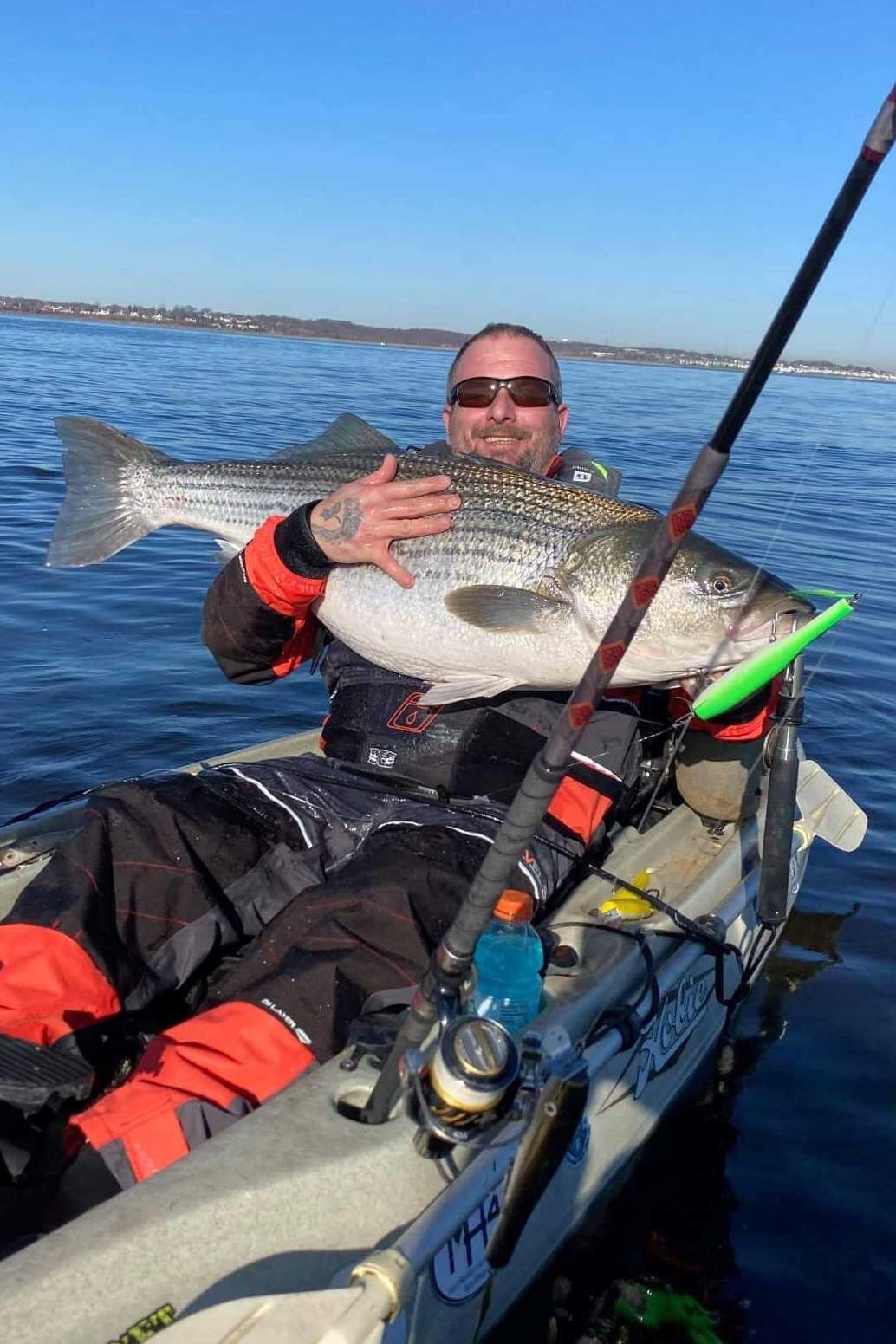
The headline species. Stripers arrive in mid-to-late May (NH first, then Maine) and stay through October. Schoolies (16–24″) dominate but slot-size (28–31″) and trophy fish (40″+) are common. Best months: June, July, and September–October. Fish topwater plugs, eels, and live mackerel.
Bluefin Tuna
Stellwagen Bank (just south in MA waters) and Jeffrey’s Ledge (off NH/Maine line) are world-class bluefin grounds. Late June through October. Fish range from 50″ school bluefins to giants over 1,000 lbs. Trolling, chunking, and jigging all produce. Requires HMS permit and follows strict NOAA quotas.
Bluefish
Erratic but explosive. Some years bluefish are everywhere from mid-summer through fall; others almost absent. When they’re in, look for diving birds and breaking fish on the bays and at ledge mouths.
Atlantic Mackerel
Solid summer action on Atlantic mackerel — perfect for live bait for stripers and tuna, and great fishing on light tackle for the kids. Sabikis and small jigs in 30–80 feet near ledges and bays.
Groundfish (Cod, Haddock, Pollock, Cusk)
Open-season cod and haddock action on inshore wrecks and ledges. Pollock (up to 30 lbs) hold around offshore structure and bait pods. Cusk on deeper rocky bottom. Check NOAA seasons and limits — they vary annually.
Striped Bass Tributaries (Kennebec, Penobscot, Saco)
The Kennebec River below Augusta produces some of Maine’s biggest stripers in June and July as fish push upriver chasing alewives and shad. The Saco River and Merrimack mouth (MA/NH border) are similar fisheries.
Best Fishing Spots
Piscataqua River & Portsmouth Harbor (NH)
Striped bass stage in the river from mid-May. The Memorial Bridge, the Naval Shipyard pilings, and the river mouth all produce. Strong tides — fish moving water.
Isles of Shoals (NH/Maine)
Six miles offshore from Portsmouth. Stripers, blues, mackerel, and pollock around the islands and ledges. Easy run on calm days. Big fish hold deeper in summer.
Casco Bay & Portland
365 islands (so they say) — endless striper structure. The mouth of the Presumpscot River, Diamond Cove, Peaks Island ledges, and the ship channel. Tuna run out to Jeffrey’s Ledge from Portland.
Penobscot Bay (Rockland, Camden, Belfast)
Bigger, deeper, and more remote. Big stripers around Owls Head, Vinalhaven, and North Haven. Mackerel fishing is some of the best in the Northeast.
Mount Desert Island (Bar Harbor)
Remote, scenic, productive. Stripers along the granite ledges, big pollock around offshore structure, and the chance at bluefin in late summer.
Jeffrey’s Ledge
20–30 miles offshore from the NH/Maine line. The premier offshore destination — bluefin tuna, pollock, cod, mackerel, and whiting. Stellwagen Bank is just south in MA waters and equally productive.
When to Fish — Seasonal Breakdown
May: Stripers arrive in NH first (mid-May), then Maine (late May). River systems light up.
June: Peak schoolie bite, big fish on tributaries (Kennebec, Saco). Mackerel arrive. First tuna show.
July: Stripers everywhere — flats, ledges, river mouths. Tuna fishing intensifies on Jeffrey’s and Stellwagen.
August: Hot water can push stripers deep — fish early and late. Tuna fishing peaks. Bluefish often show in numbers.
September–October: Fall blitzes — stripers and blues feed heavily before migrating south. Some of the best fishing of the year. Tuna still strong through October.
November: Stripers leave by month’s end. Late-season tuna possible.
December–April: Cold-water groundfish only (cod, haddock — when seasons are open). Limited charter activity.
Charters & Guides
Inshore striper charters: $500–$800 half-day, $700–$1,100 full-day. Tuna charters: $1,800–$3,500+ depending on duration and target size. Bottom fishing/groundfish: $750–$1,400. Top ports: Portsmouth (NH), Kittery, York, Portland, Boothbay Harbor, Rockland, and Bar Harbor (Maine).
Boat Ramps & Access
NH: Portsmouth Boat Ramp (Piscataqua River), Rye Harbor State Marina, Hampton Harbor. Maine: Kittery Town Pier, York Harbor, Camp Ellis (Saco), East End Beach (Portland), Lincolnville, Rockland, and Bar Harbor town pier. Tide and weather window matters — much of the coast is exposed.
Local Tackle & Bait Shops
Eldredge Bros. Fly Shop (Cape Neddick, ME, 207-363-9269). Saco Bay Tackle (Saco, ME). Trident Tackle (Portland, ME). Hagan’s Anchor (Rockland). New Hampshire: Strictly Trout (Concord, NH) and Eastman’s Fishing (Seabrook, NH).
Regulations Reminder
Striped Bass: Federal slot 28–31″ (verify ASMFC annual update), one fish per day. Both NH and Maine follow federal coastal rules. Maine and NH licenses required — saltwater registry is free in NH. Tuna: HMS permit required, school/young/medium/giant categories with different quotas; NOAA seasons vary. Groundfish: Verify cod/haddock/pollock seasons and limits with NOAA Fisheries annually. Always check current rules before each trip.
More Resources
All Location Guides · How to Catch Striped Bass
Stay Current
For short-term conditions, read the latest Maine Coast fishing report, browse the Maine Coast report archive, and use the Maine Coast seasonal fishing calendar for month-by-month planning.
Planning a trip?
This report tells you what happened. ReelAI tells you what to do about it — a briefing for your date, your target species and how you're fishing, built from our reports plus live NOAA and USGS data.
Powered by ReelAI — fishing.digital's intelligence layer. Answers are generated from fishing.digital reports and public NOAA, NWS and USGS data, and may be incomplete or out of date. Regulations and marine safety information are summaries only; always confirm with the responsible authority before you fish.